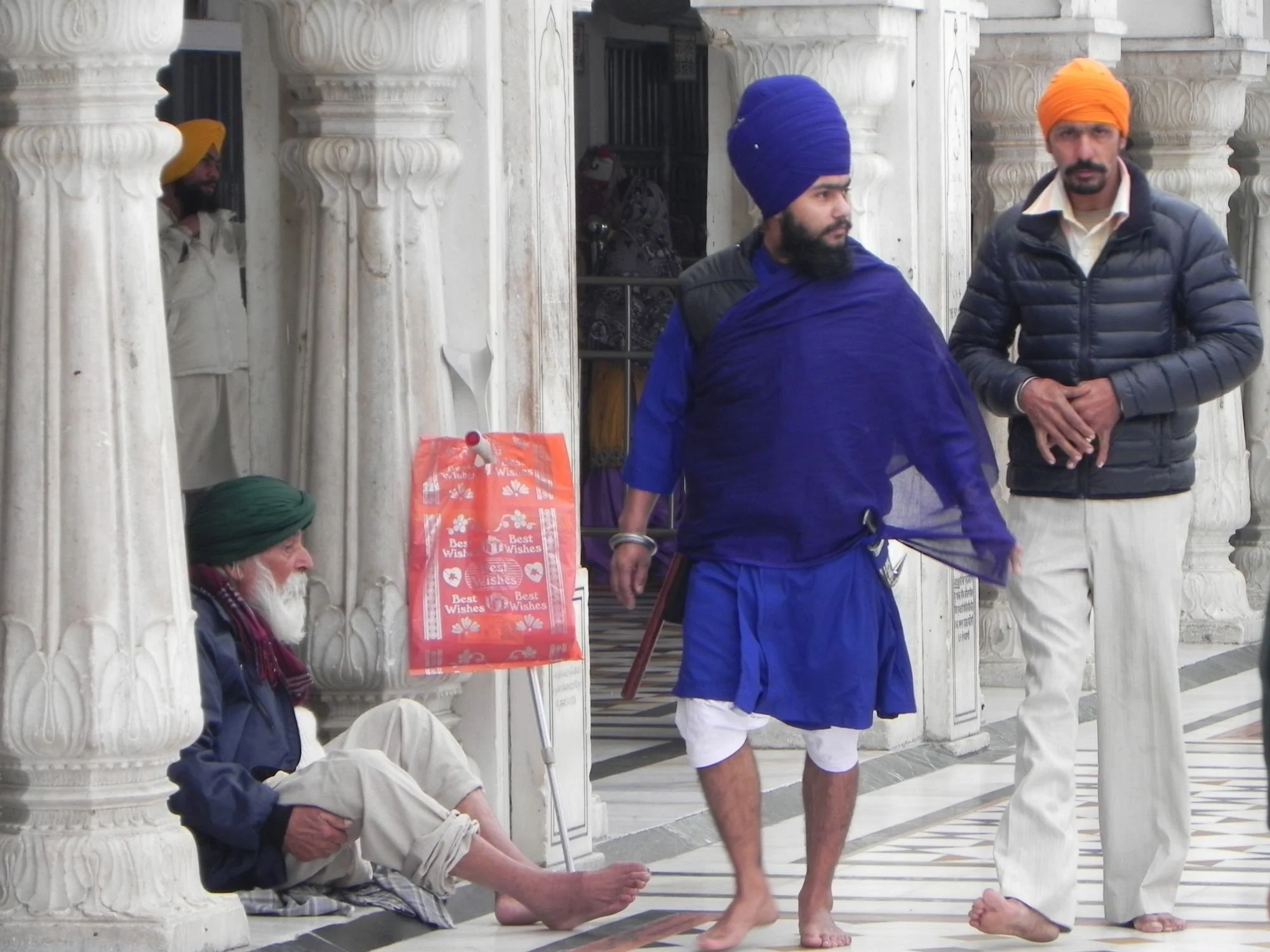
The temple and complex was started in the 1500’s and completed around 1604
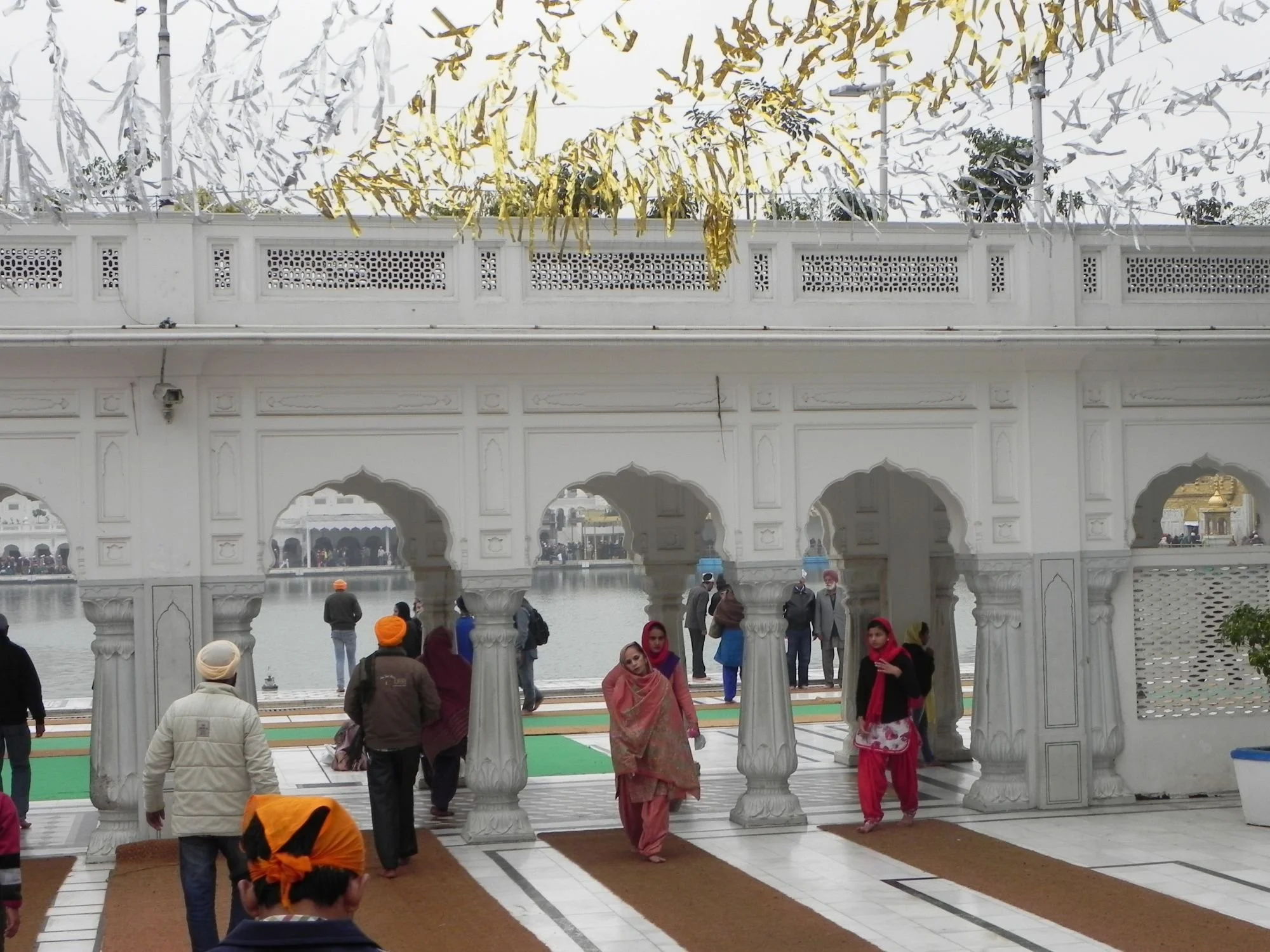
The temple has four entrances, one on each side. Sikh tradition describes this as symbolizing that people from all directions and backgrounds are welcome. The building was also deliberately constructed below the surrounding level, emphasizing humility
On a busy day, the temple kitchen may serve more than 120,000 people.
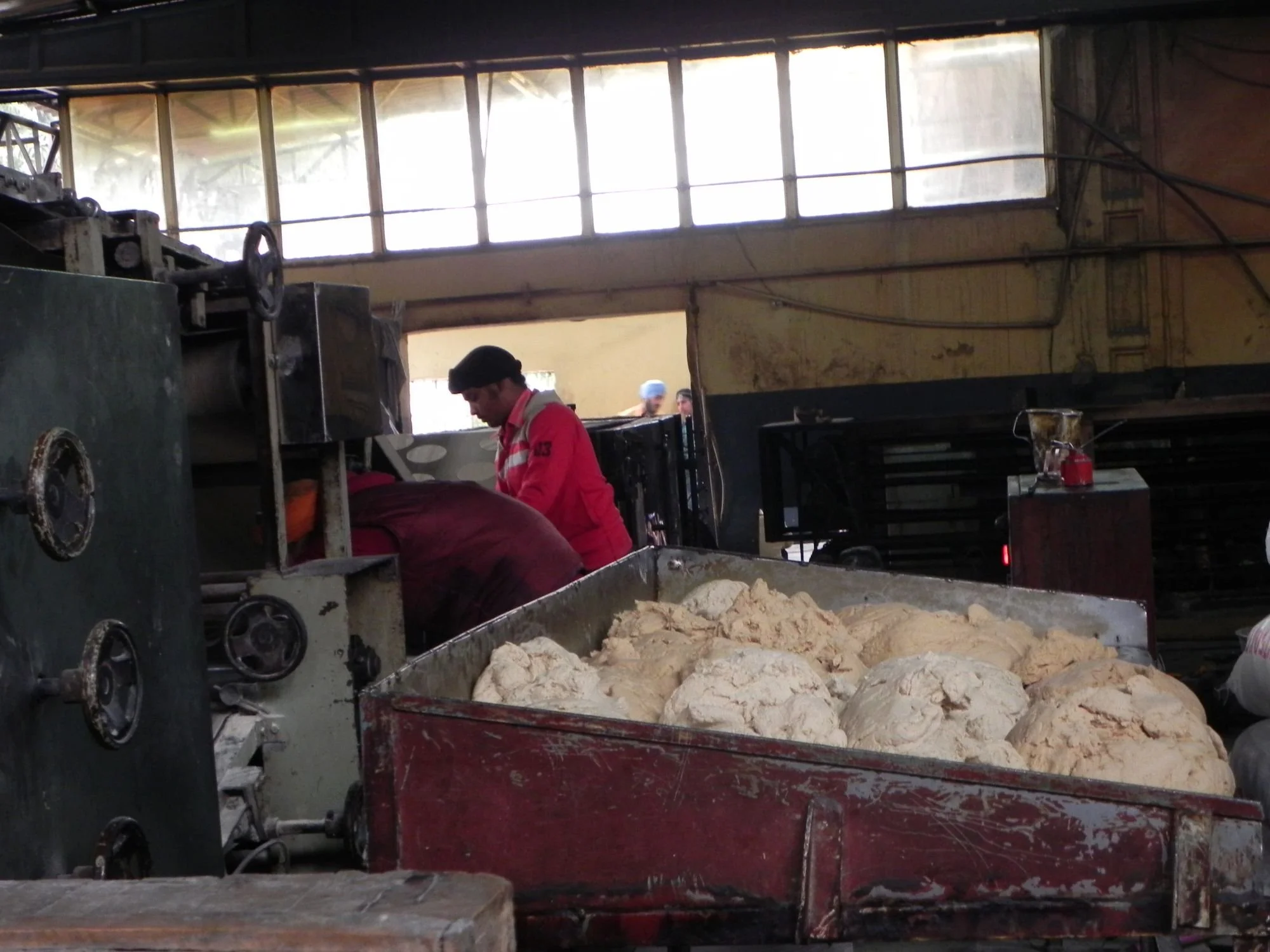
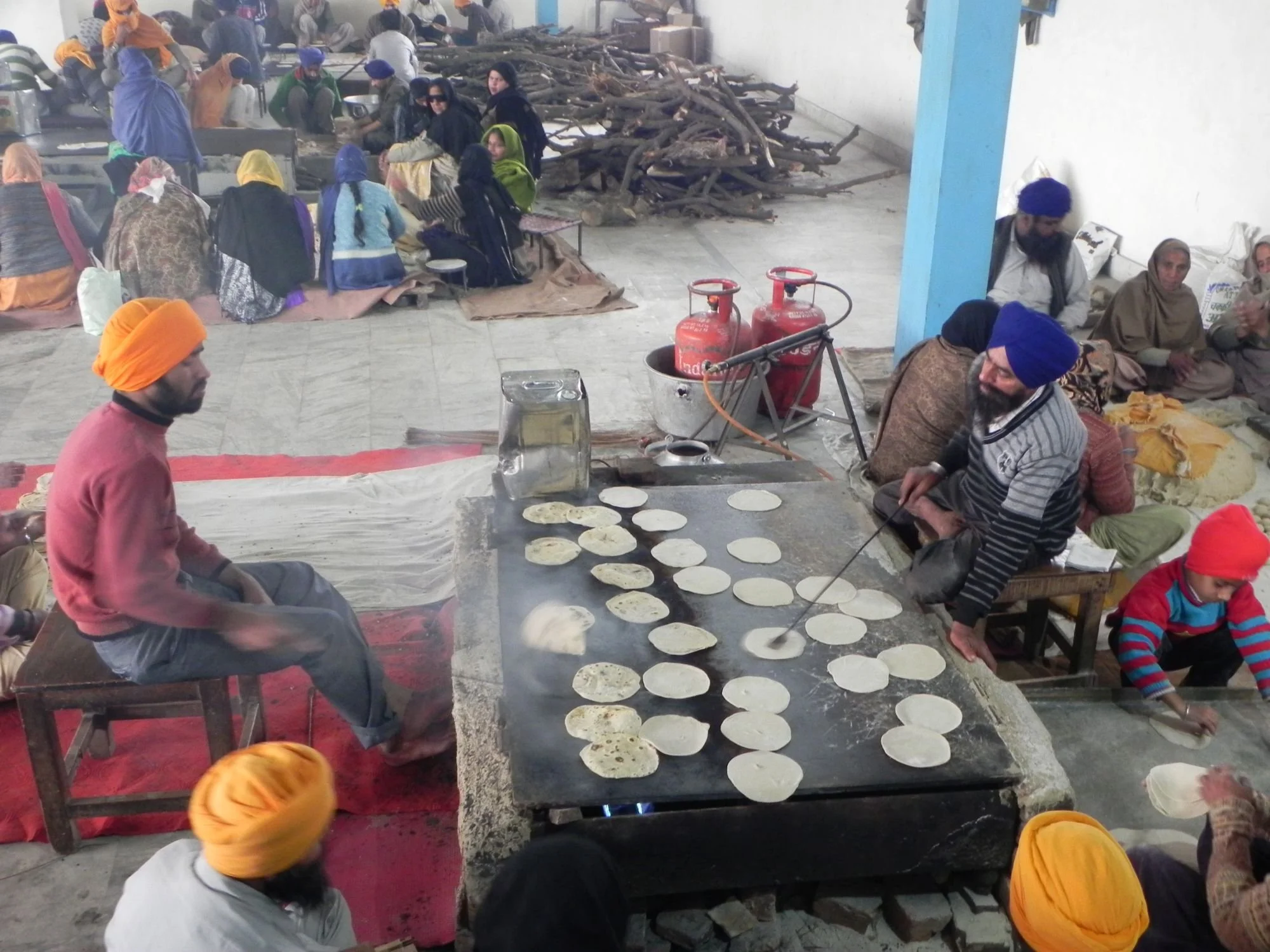
Dough, ready to be shaped and cooked
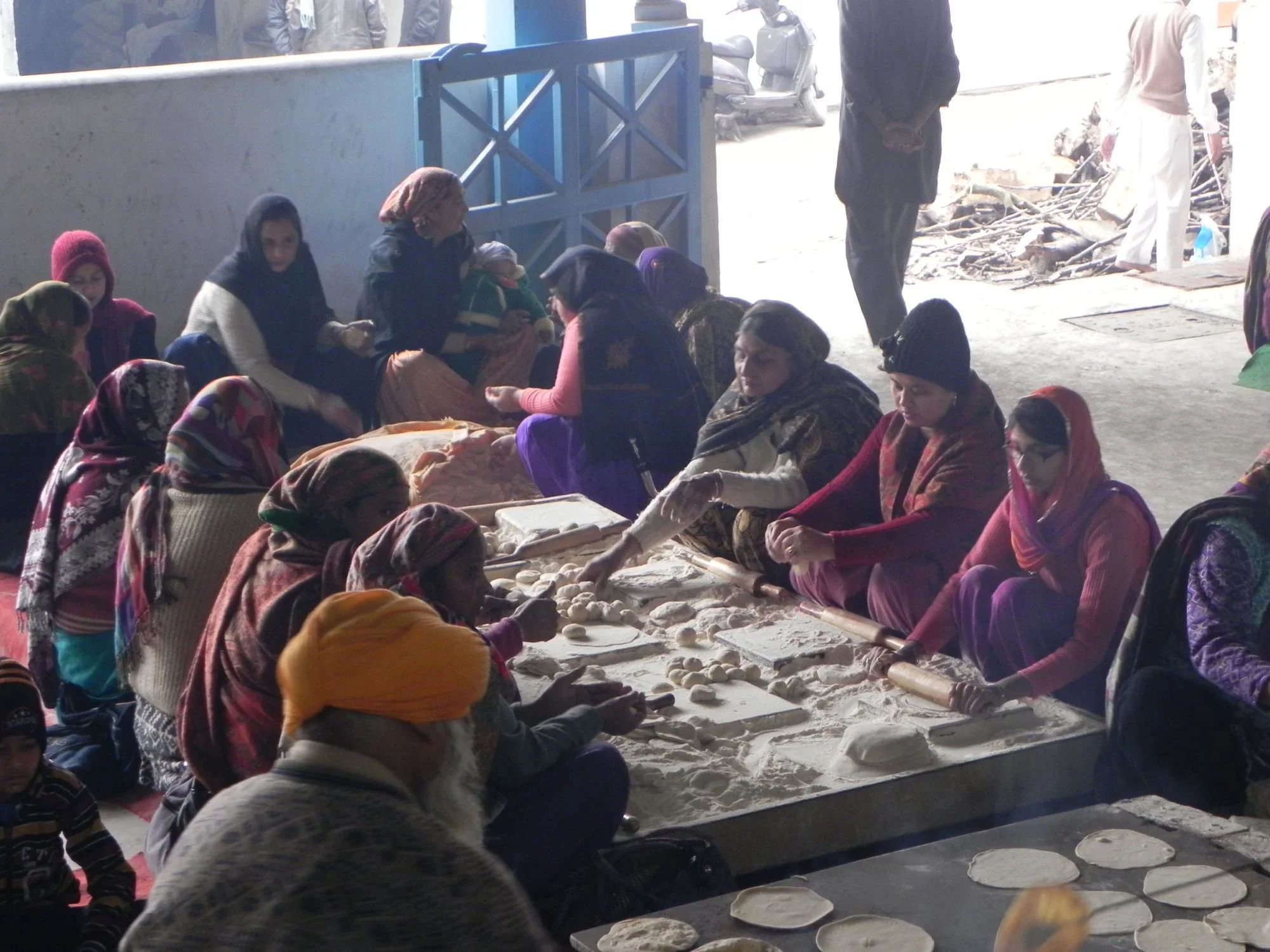
It’s a massive process feeding over 100,000 people a day
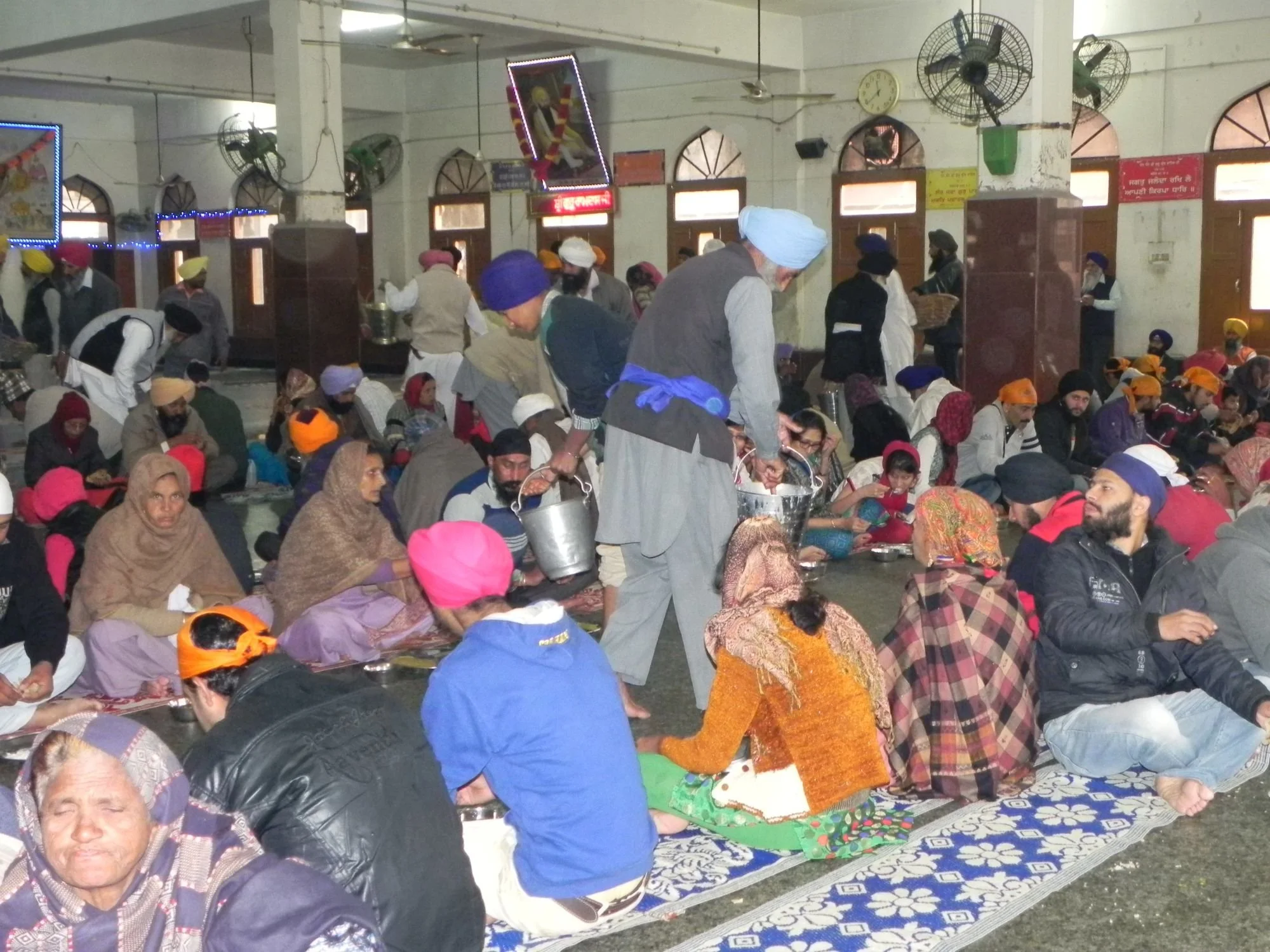
People enter the dining hall and sit on the floor in rows, called pangat. Volunteers then walk along the rows, serving everyone the same food. So you might have a wealthy businessman sitting next to a farmer, a Sikh sitting next to a Hindu, and a foreign tourist sitting next to a local resident. The seating arrangement is intentional. It demonstrates the Sikh teaching that no person is inherently more important than another.
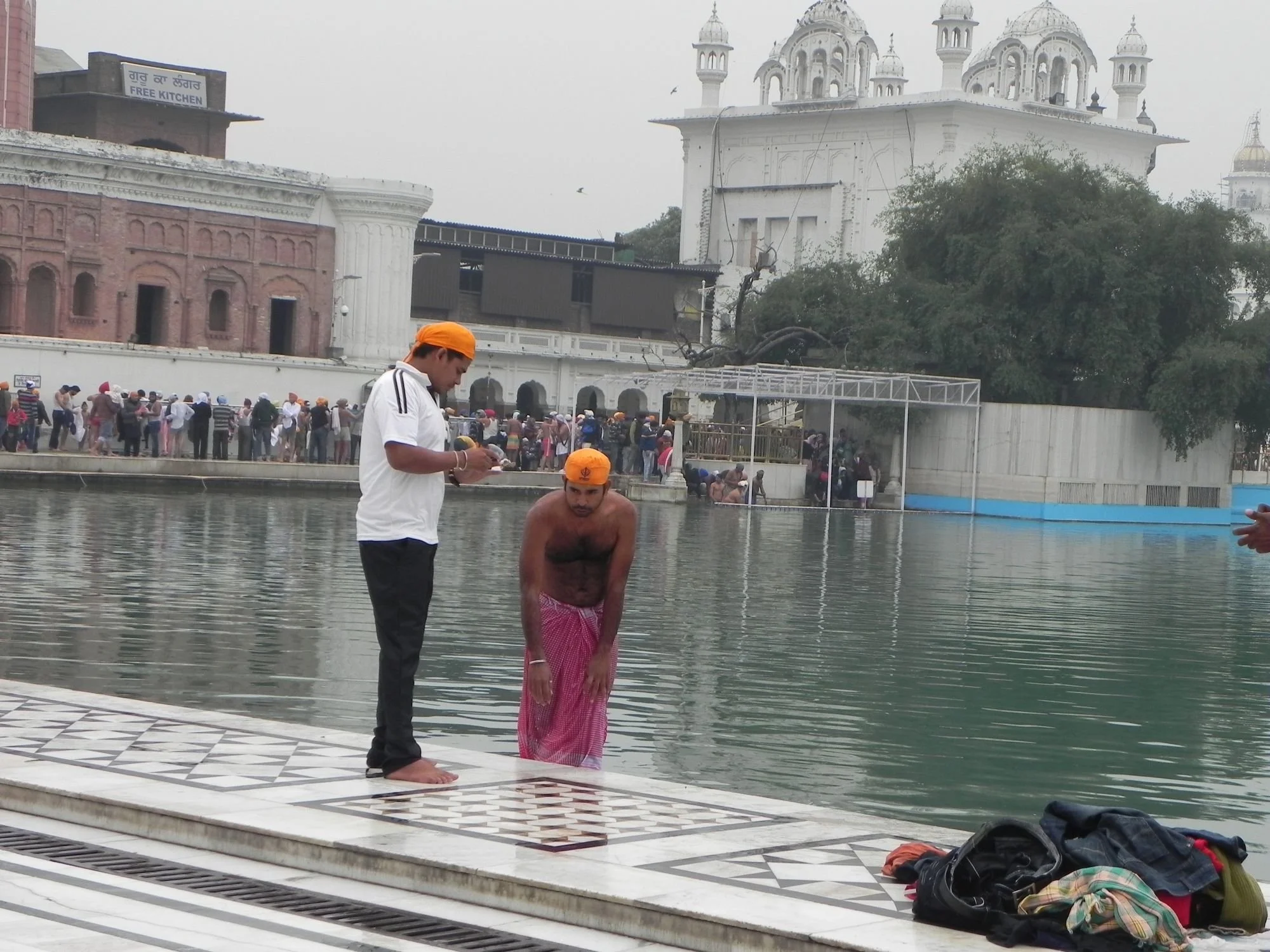
A man being baptized during his pilgrimage to the Golden Temple
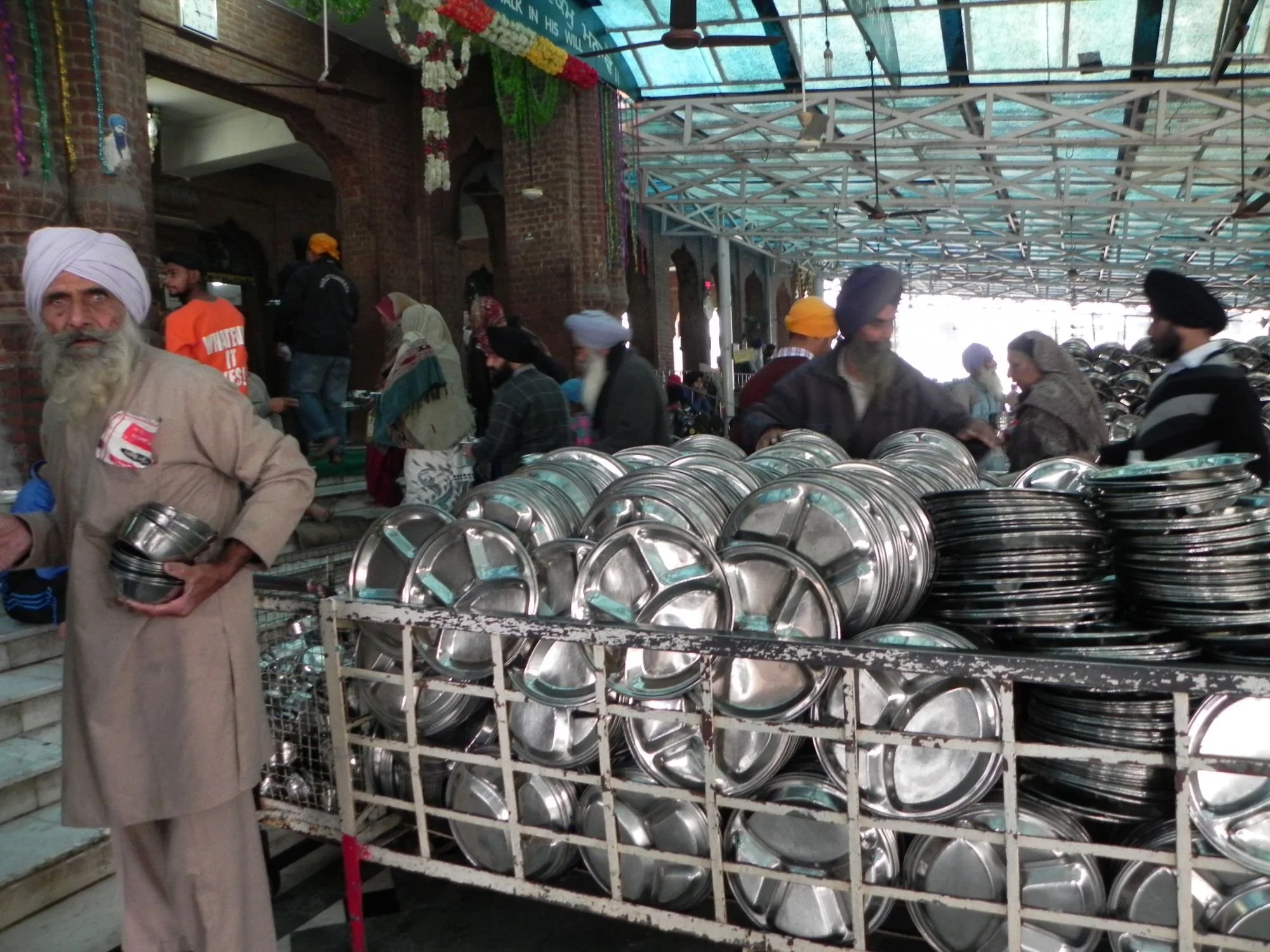
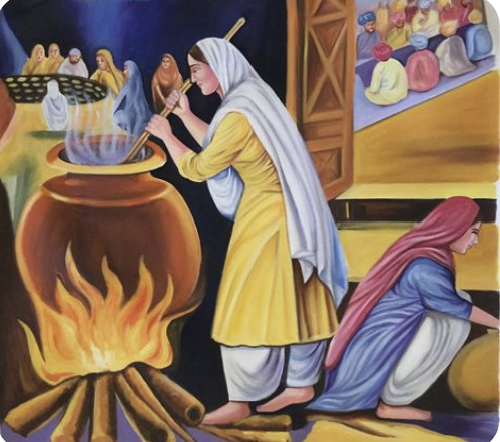
The Sikh community kitchen. The kitchen provides free vegetarian meals to visitors regardless of religion, caste, or background.
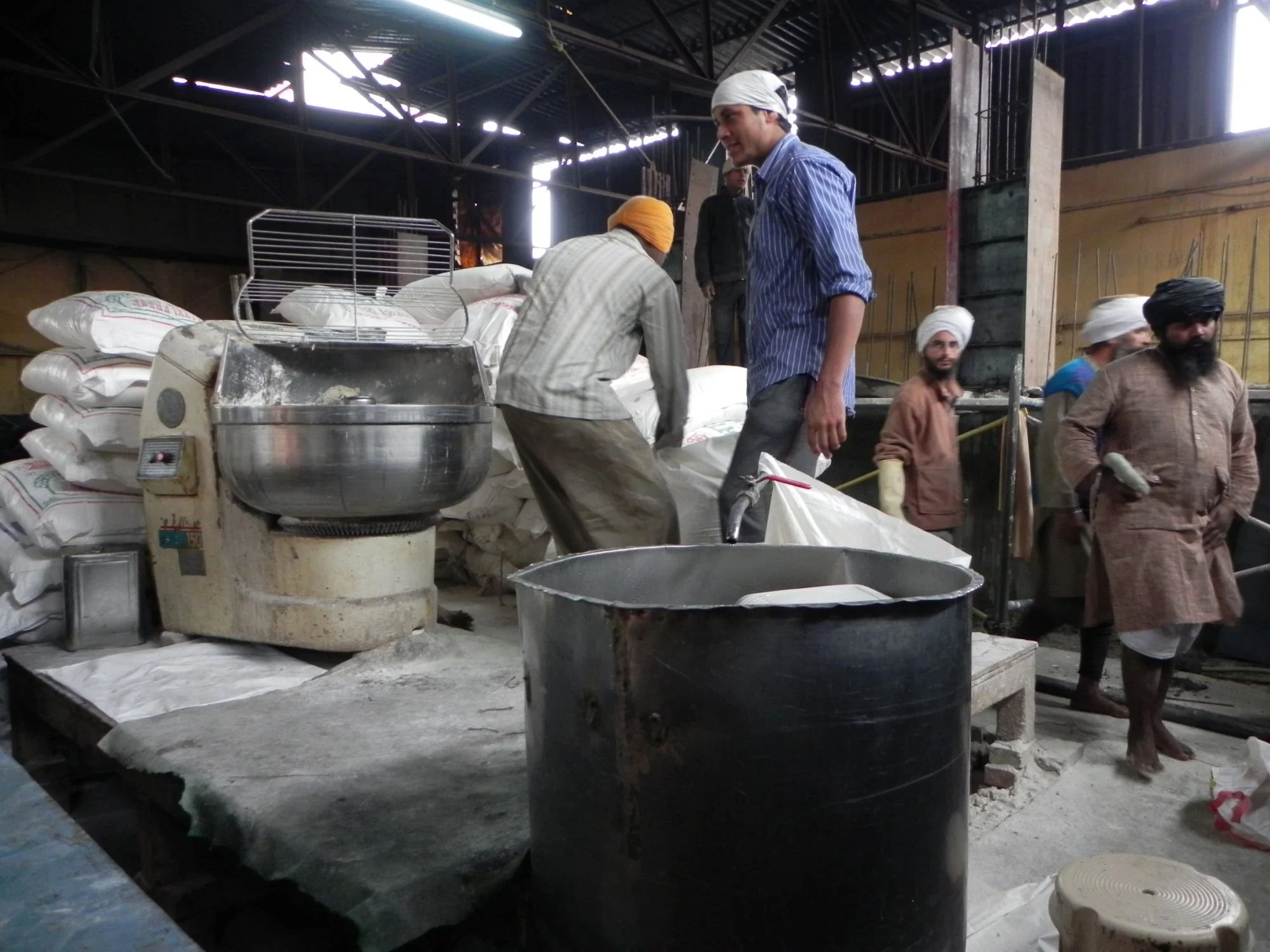
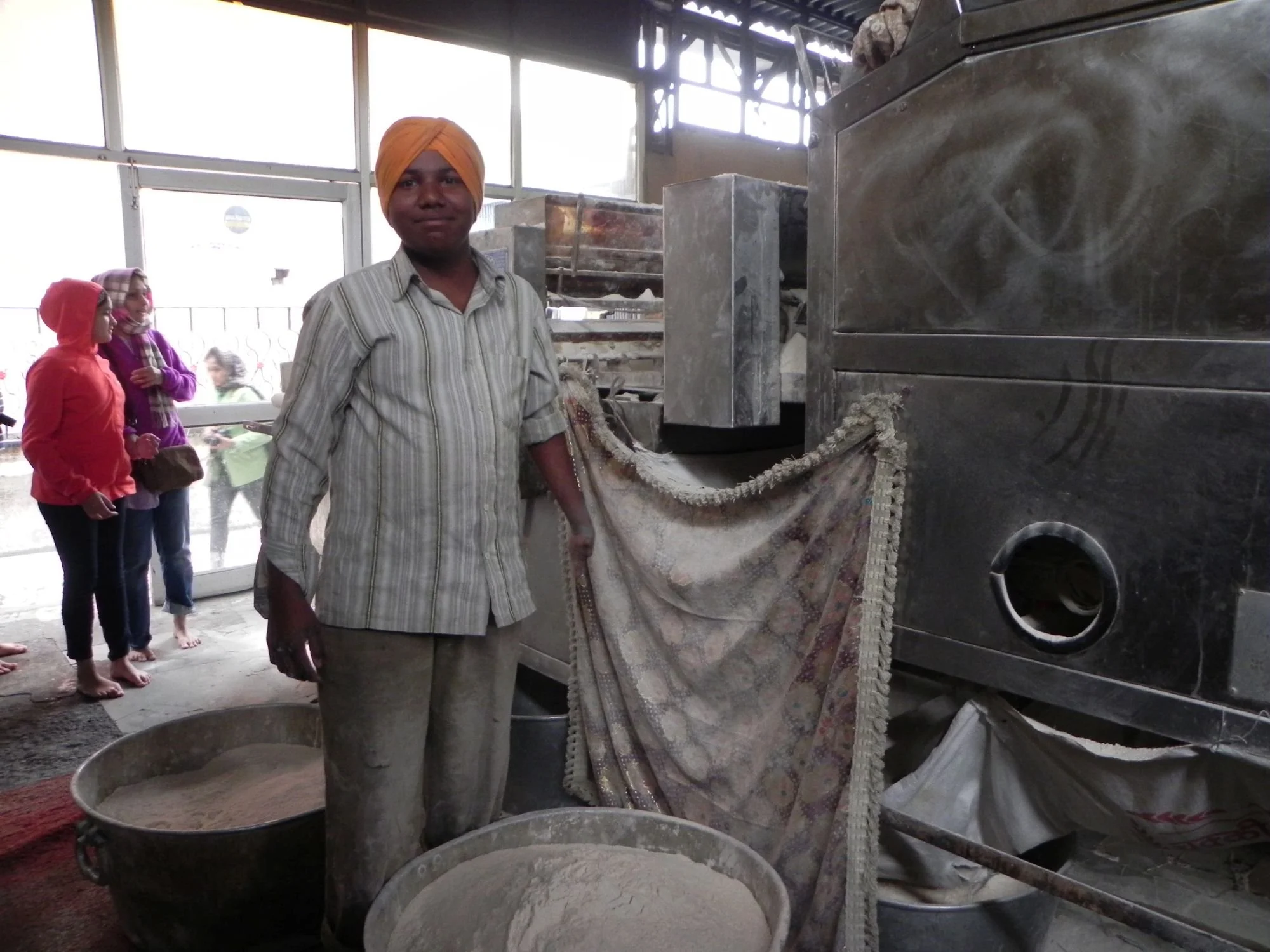
All of the people working at the temple are volunteers. Here, men are making dough for the roti/chapati
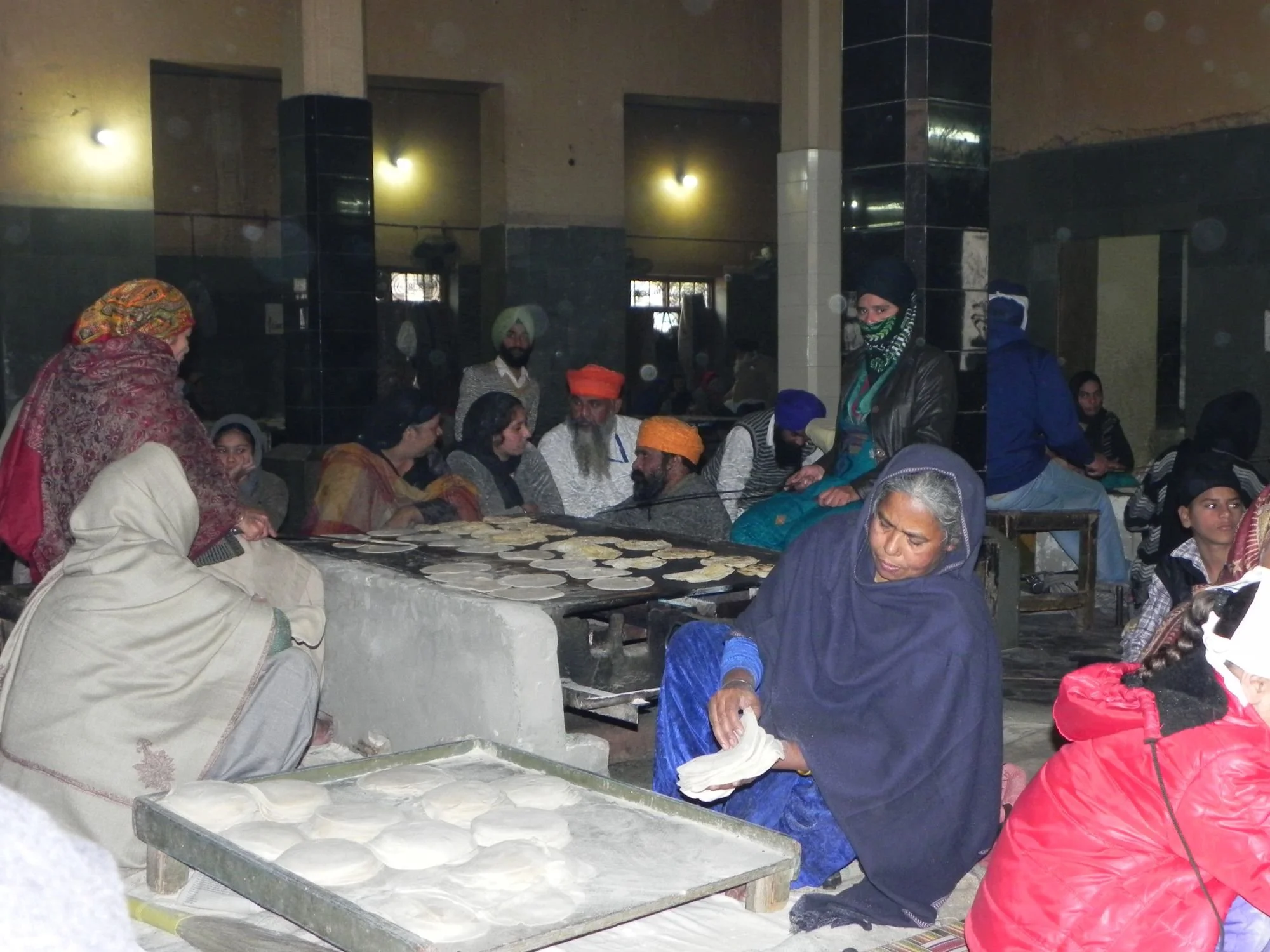
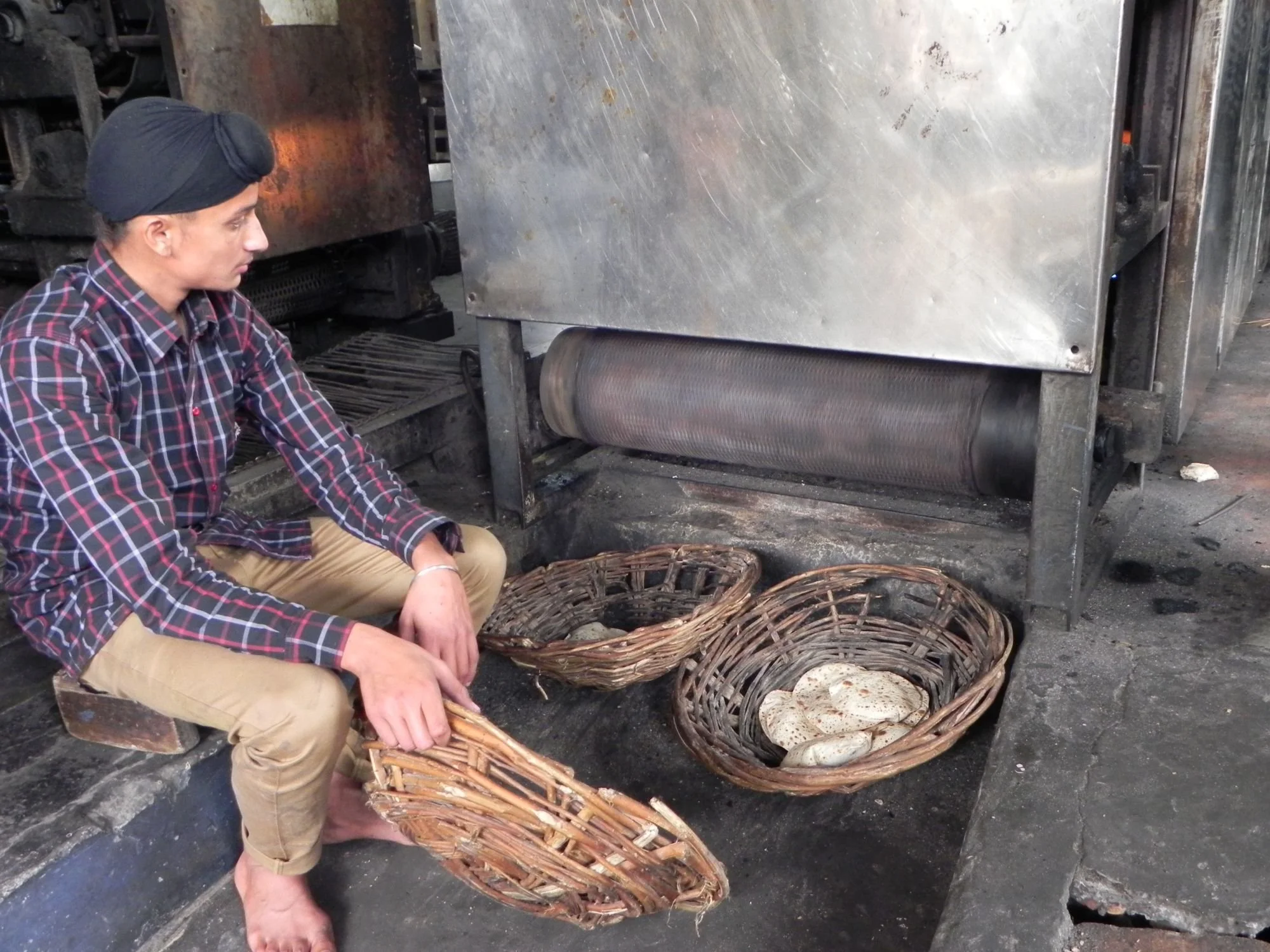
The dough being shaped and cooked
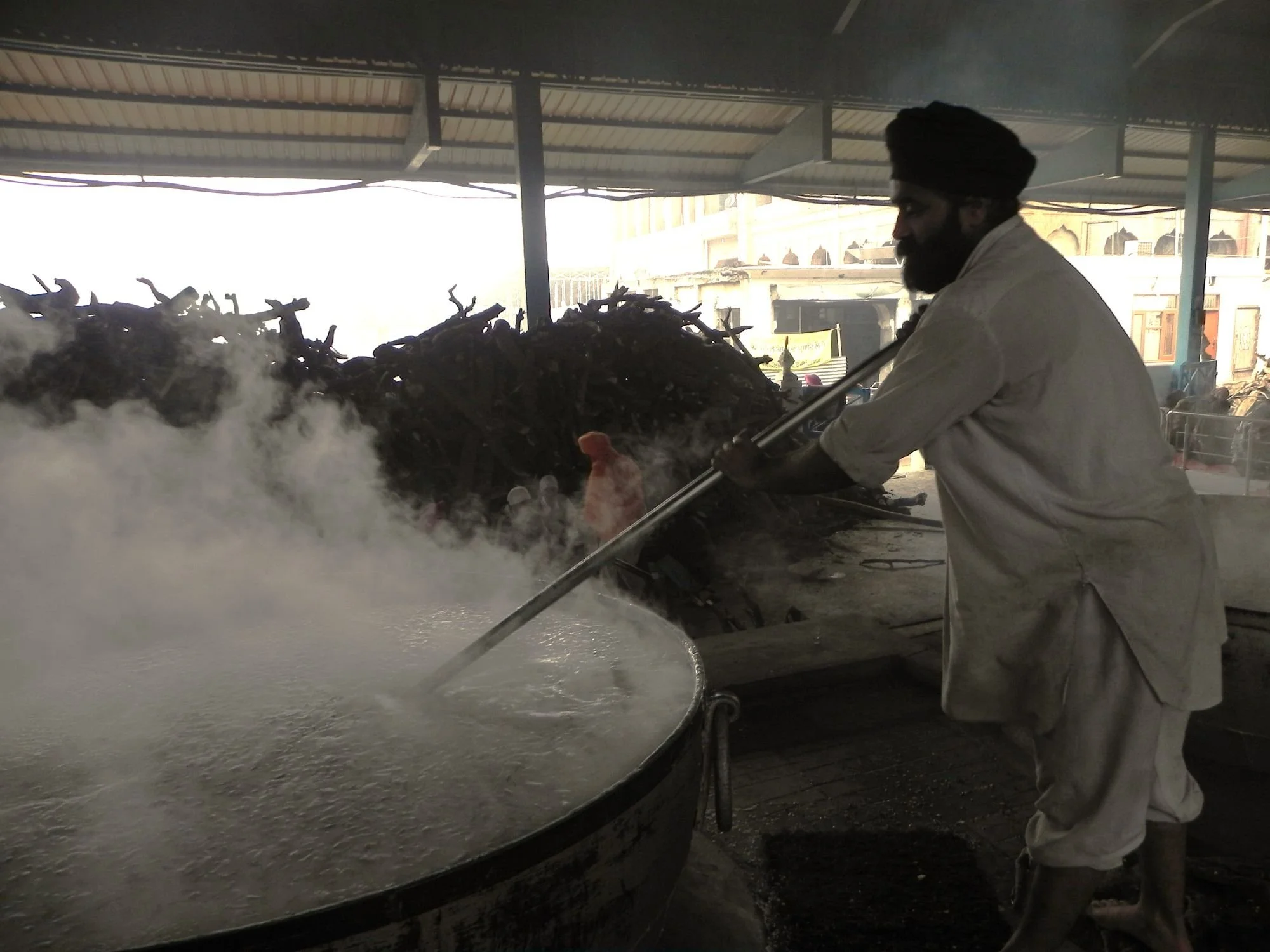
The meal is vegetarian, allowing people of different religious and dietary backgrounds to eat together. Typical food includes: Roti/chapati, Dal, Rice, Vegetables, kheer or another dessert, water and tea.