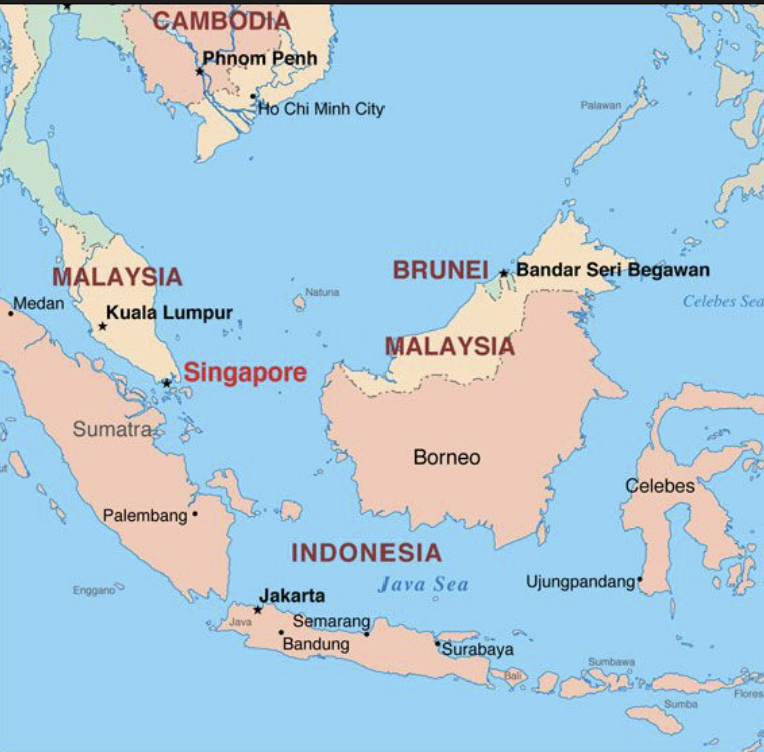
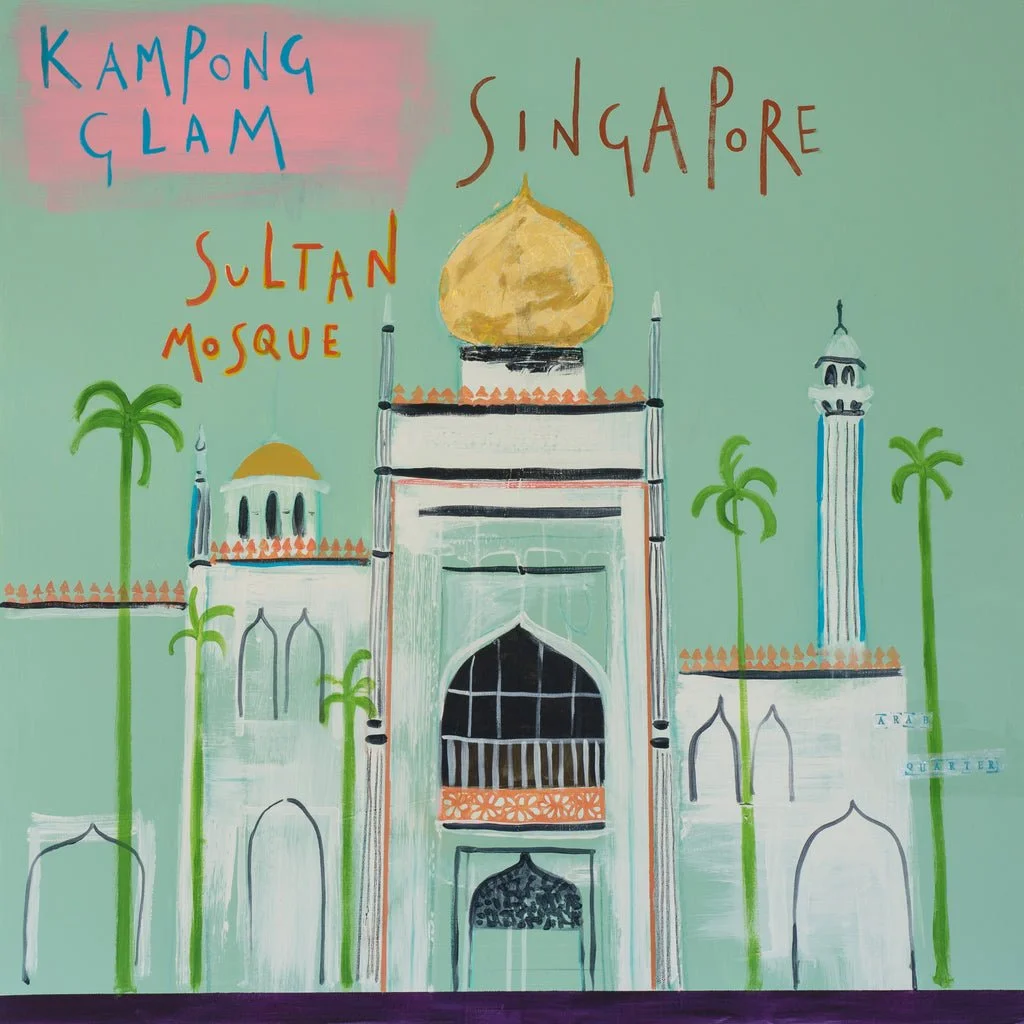
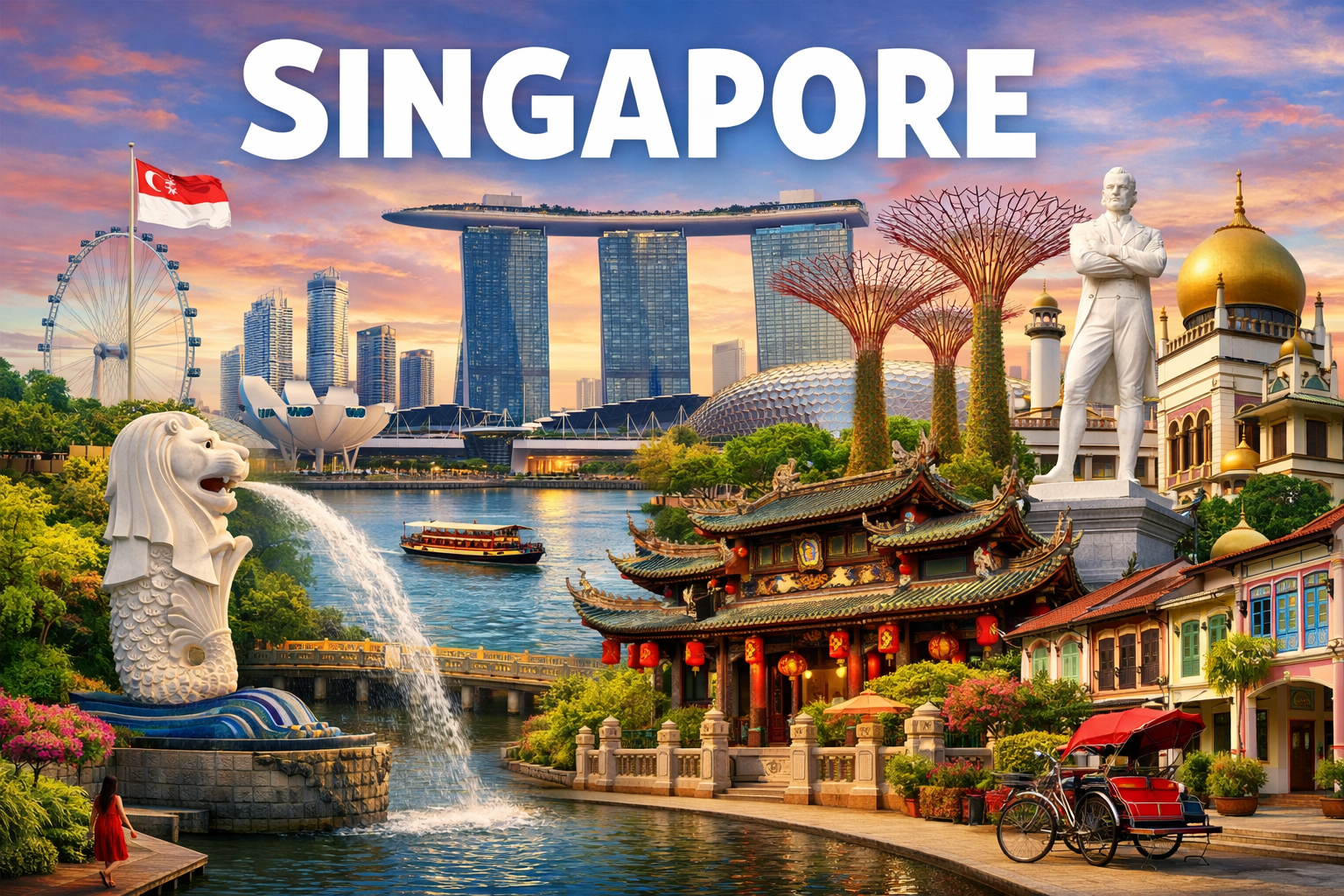
Singapore’s name comes from the Sanskrit “Singapura,” meaning “Lion City.” From the 1300s to the 1800s, it was an important trading post in the Malay and Chinese trade networks. In 1819, it became a British possession along with Penang and Malacca. During World War II, it was brutally occupied by the Japanese from 1942 to 1945. After the war, it returned to British rule until 1963, when it was absorbed by Malaysia. Singapore gained independence in 1965 and experienced rapid economic growth.
Today. Singapore is a multicultural city-state, an island nation with large Chinese, Malay, Indian, and international communities. The 5.9 million inhabitants mainly speak English, but Mandarin Chinese, Malay, and Tamil are their four official languages.
While Singapore has a modern skyline with a very modern city center, nearly 50% of the island is covered in green space.
We have been to Singapore several times, but I have very few pictures. The pictures from this trip were taken in March 2001. Again, the quality of these pictures is horrible. We will replace them on our next visit, which I hope is soon.
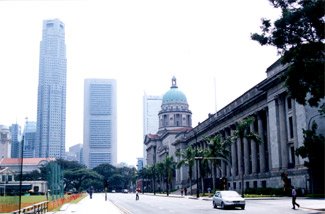
The city is a mixture of old British, Asian
and new architecture.
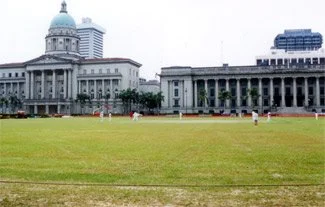
A game of cricket at the
Singapore Cricket Club
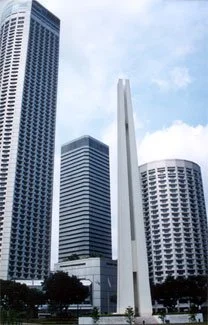
As modern as any city in the world
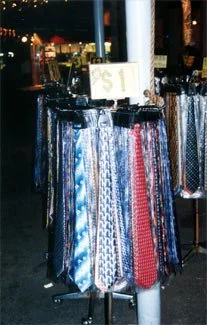
At the night markets, there are
lots of great deals. Here are some
ties for 1 Singapore dollar (54 US Cents).
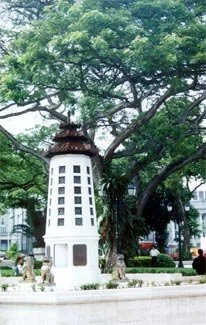
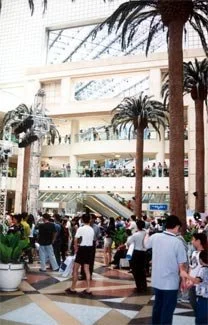
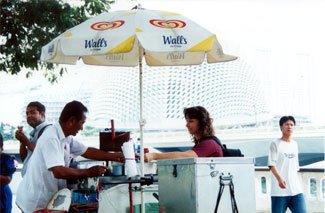
Ice cream on a very hot day
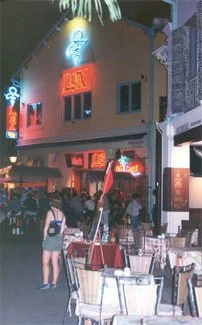
The nightlife at the Clark Quay.
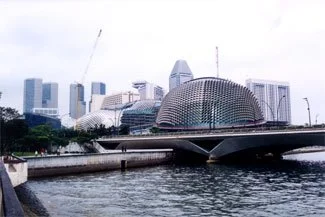
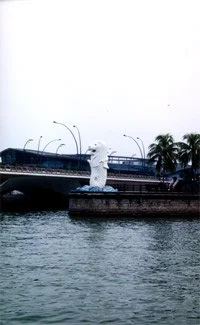
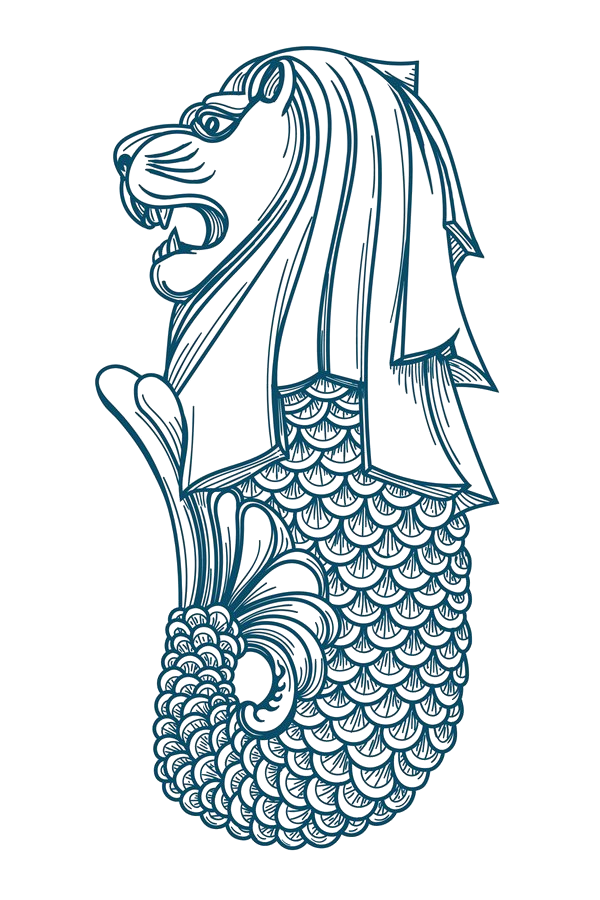
The famous Merlion Fountain on
the Singapore River
One of many cool airconditioned ultra modern malls in the city and country
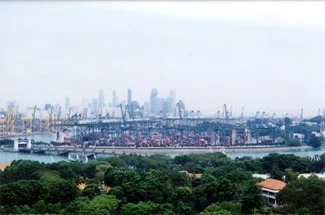
Singapore has one of the largest container
ports in the world.
There is new construction everywhere.
At Tan Kim Seng Park
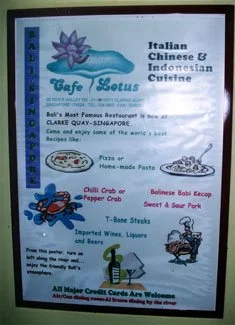
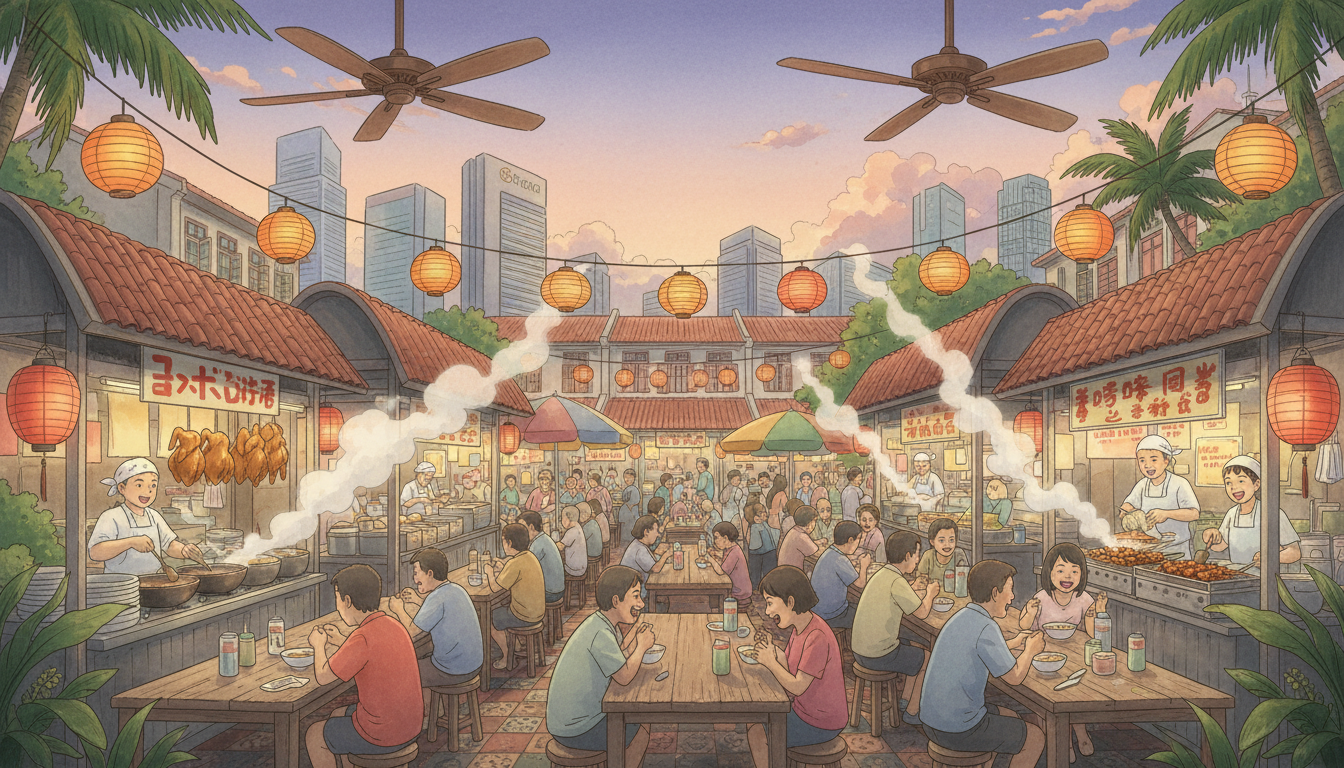
World famous food hawkers - origins of our food trucks
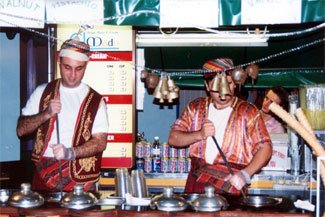
Magical, slight of hand Turkish ice cream venders