As a boy, one of my favorite memories is sitting next to my dad at the kitchen table with envelopes and packages of old stamps from different countries piled in front of us. Next to the stamps were our stamp books, maps, hinges, magnifying glasses, and the big, thick book of stamp values. We would sort through each envelope, carefully examining each stamp. My dad would explain the value based on whether or not it had a cancellation mark. Pulling out our magnifying glasses, we would determine each stamp's year and country of origin. We would then look at the map, and he would show me each country, capital, and a brief history of the area. For a man with just an 8th-grade education, his knowledge was impressive.
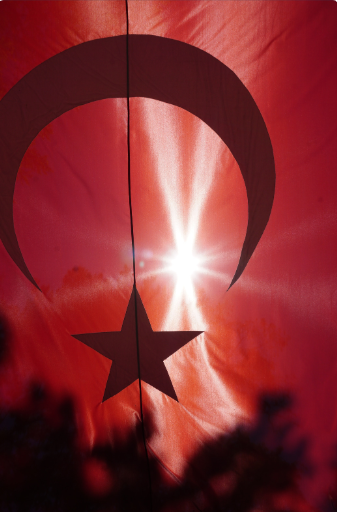
I still remember licking clear hinges onto stamps from Pago Pago, Algeria, Nepal, and Indonesia and adding them to my book. However, the stamps I most remember were from Turkey. The red crescent with a star, the Hagia Sophia, Arabic writing, and Mustafa Ataturk are still present in my fading memory. It is incredible that 45-plus years later, I was able to visit this country.
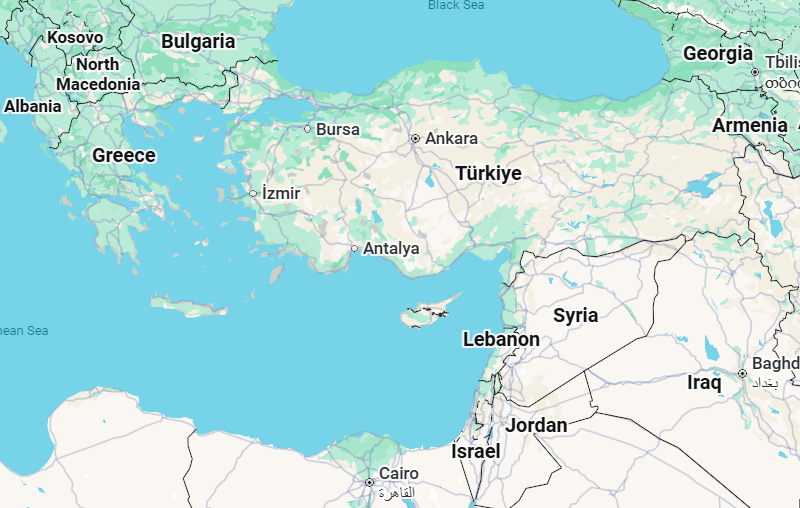
Turkey was the home of several major civilizations—Hittites, Greeks, Persians, Romans, and Byzantines. About 97% of Turkey is in Asia (Anatolia) and 3% in Europe (Thrace), divided by the Bosphorus Strait. It has a population of 85 million, with its largest city, Istanbul, and its capital, Ankara.
Our three-week trip in November 2010 began in Istanbul, with road trips to several different areas, and finished back in Istanbul before flying back home to Saudi Arabia.
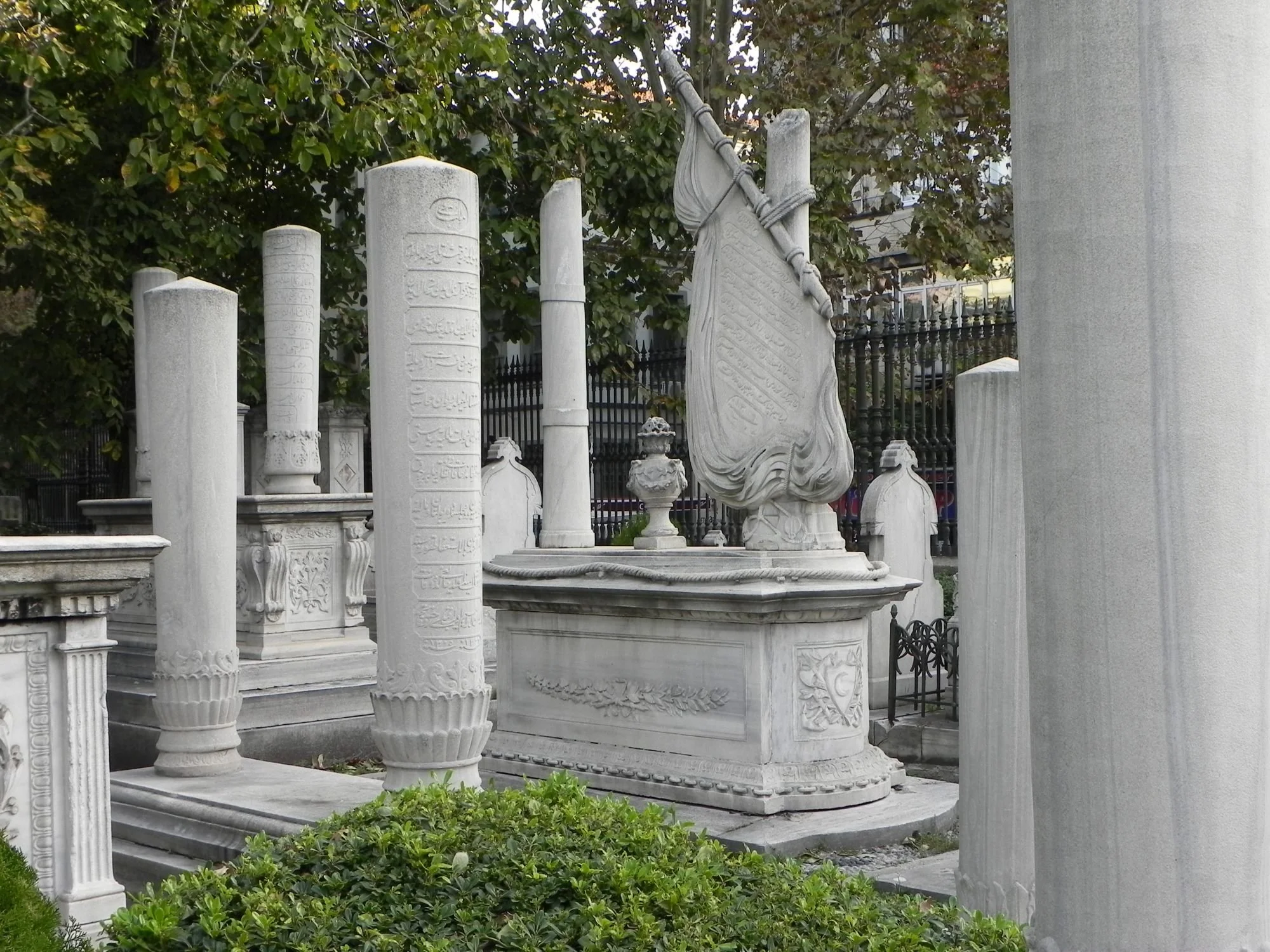
Ottoman-era cemetery
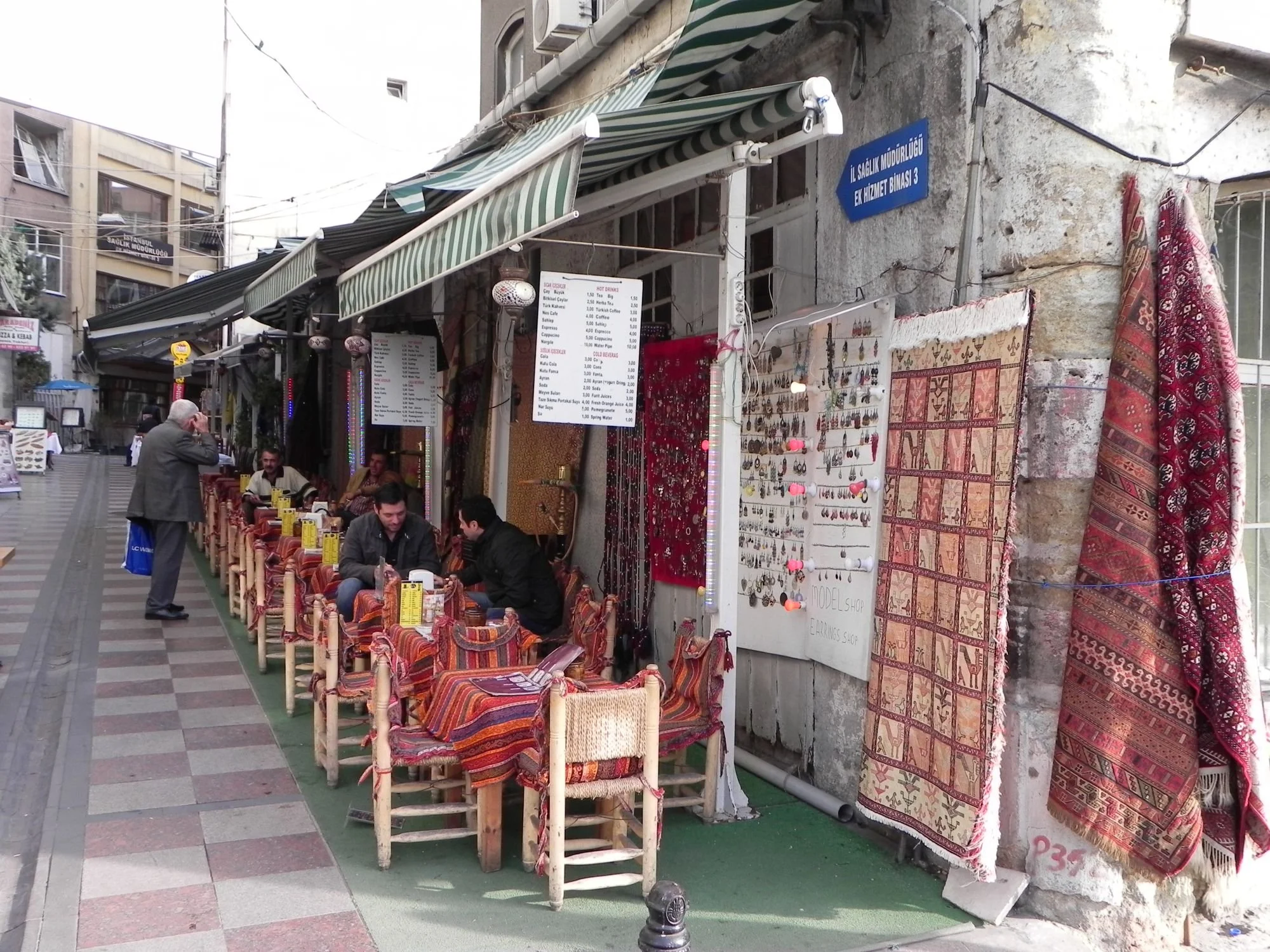
Little coffee shops and restaurants on the street
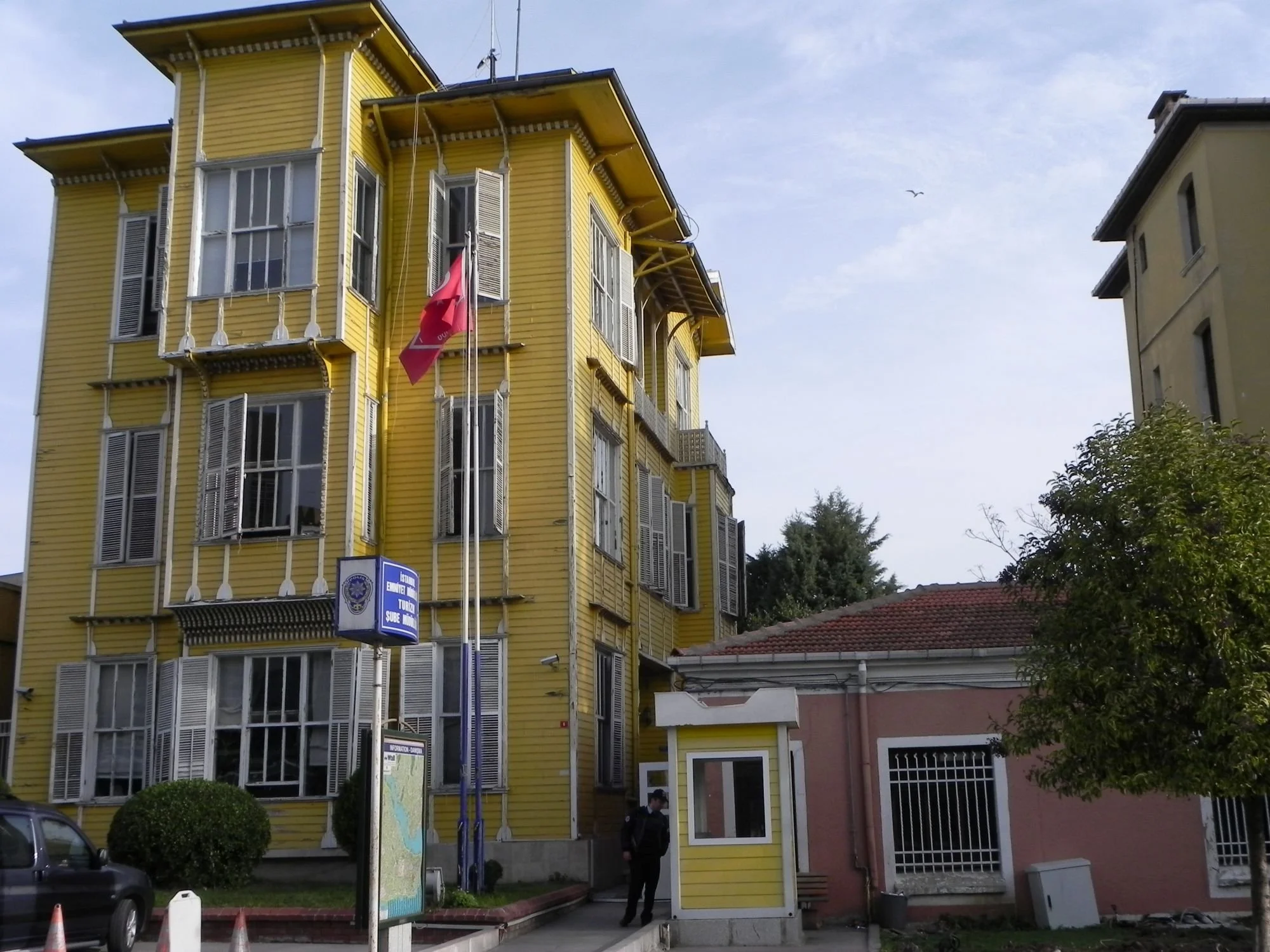
We tried to check into this hotel during the first week in Istanbul, but it was a police station.
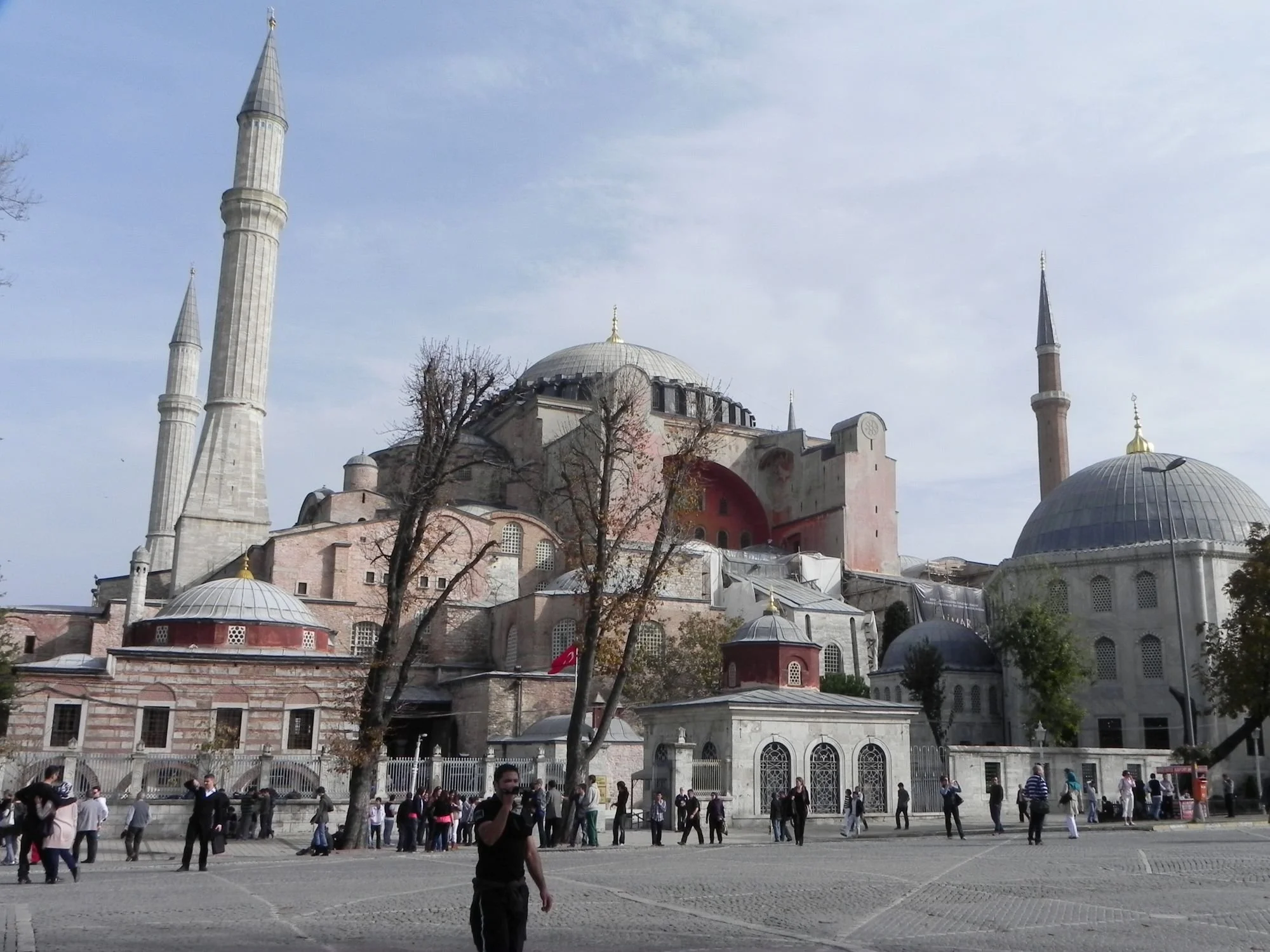
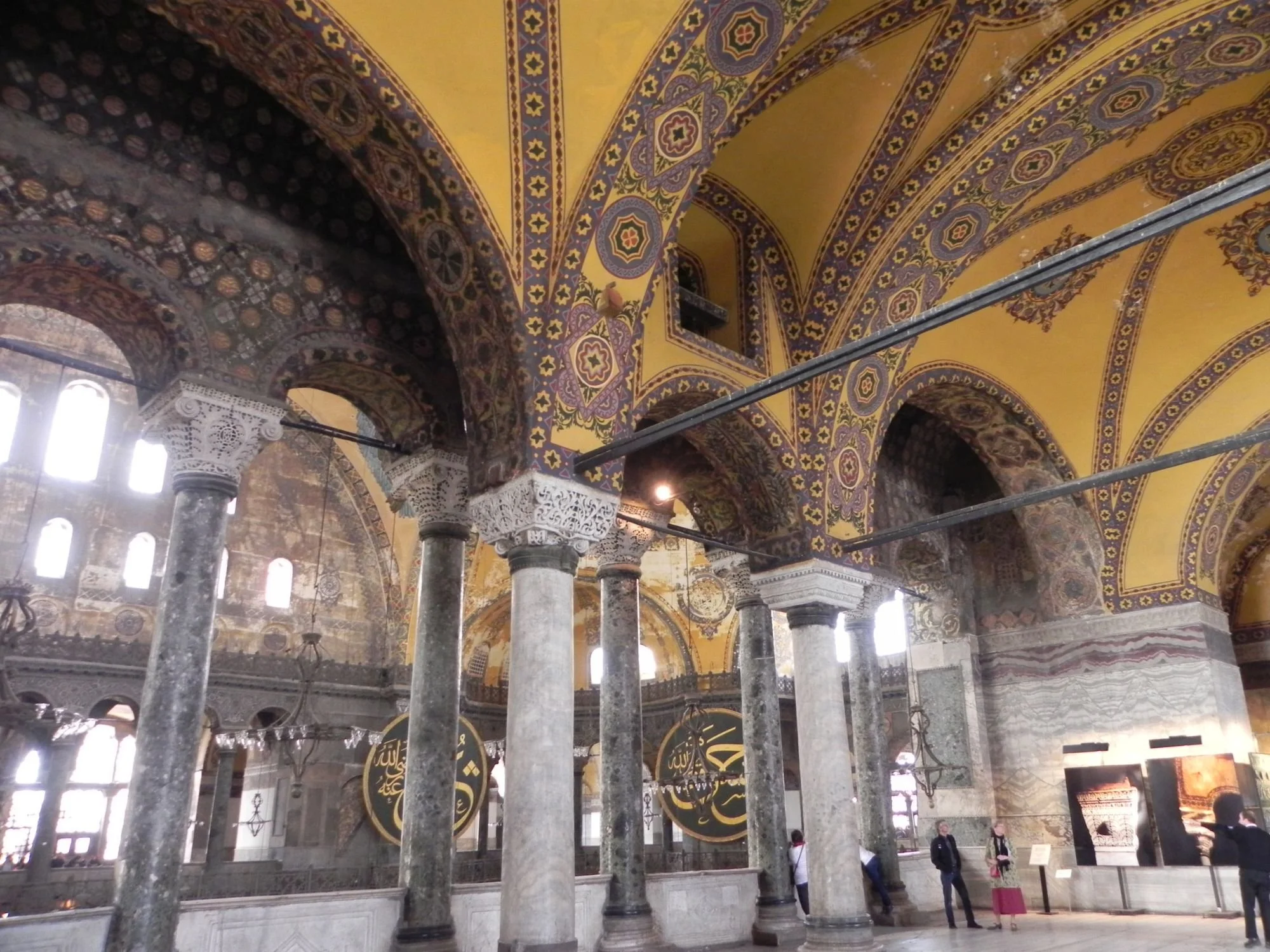
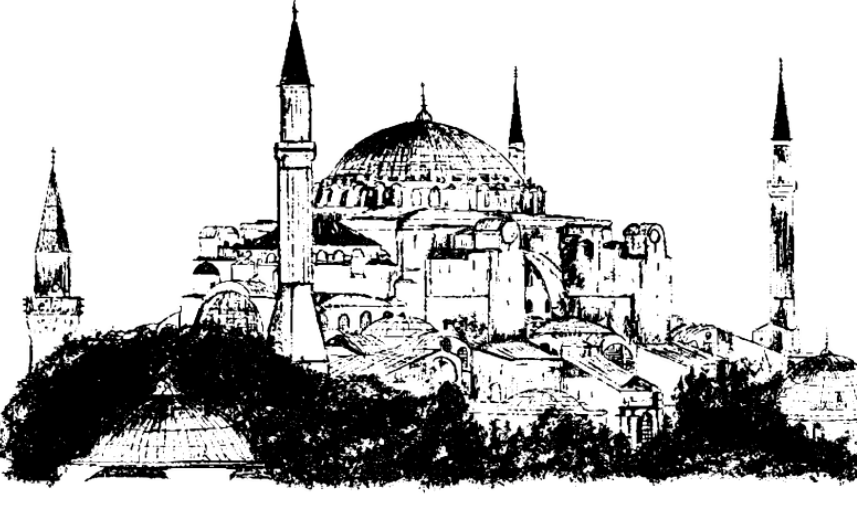
The Hagia Sophia
Built as a Byzantine cathedral in 537
Converted to a mosque in 1435
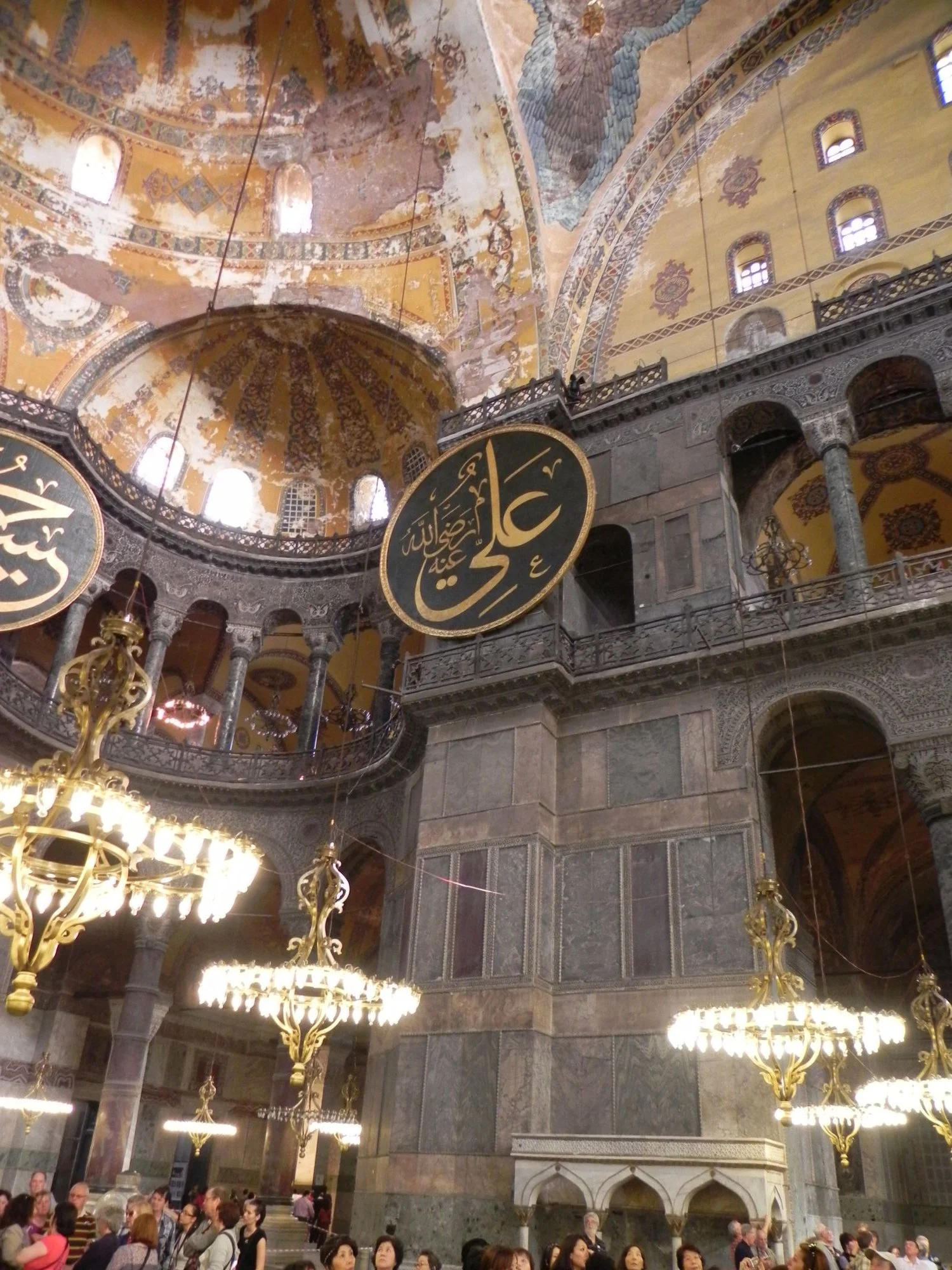
It was the largest cathedral in the world for over 1,000 years
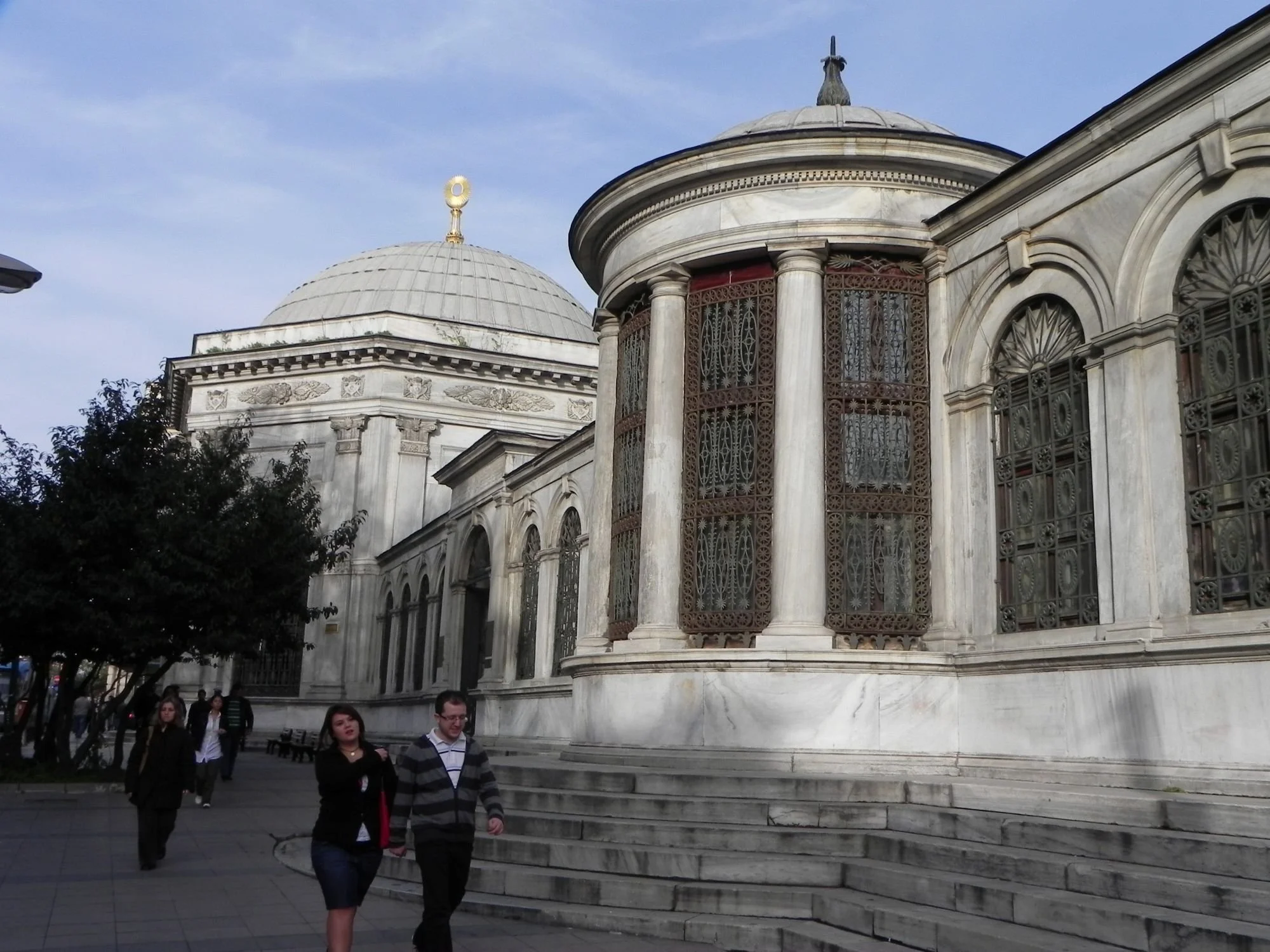
Part of the Nusretiye Mosque complex
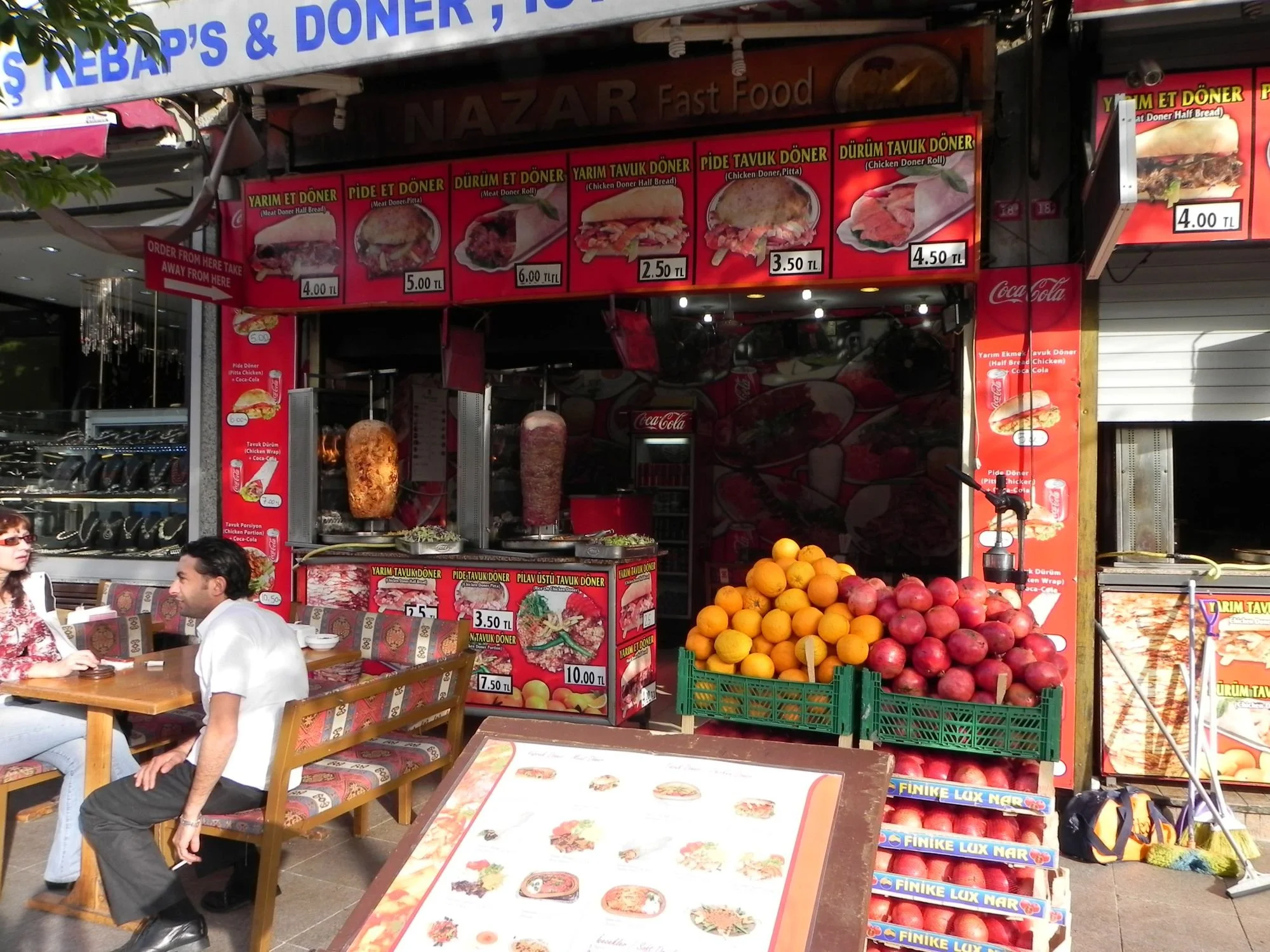
A shawarma and fruit juice stand
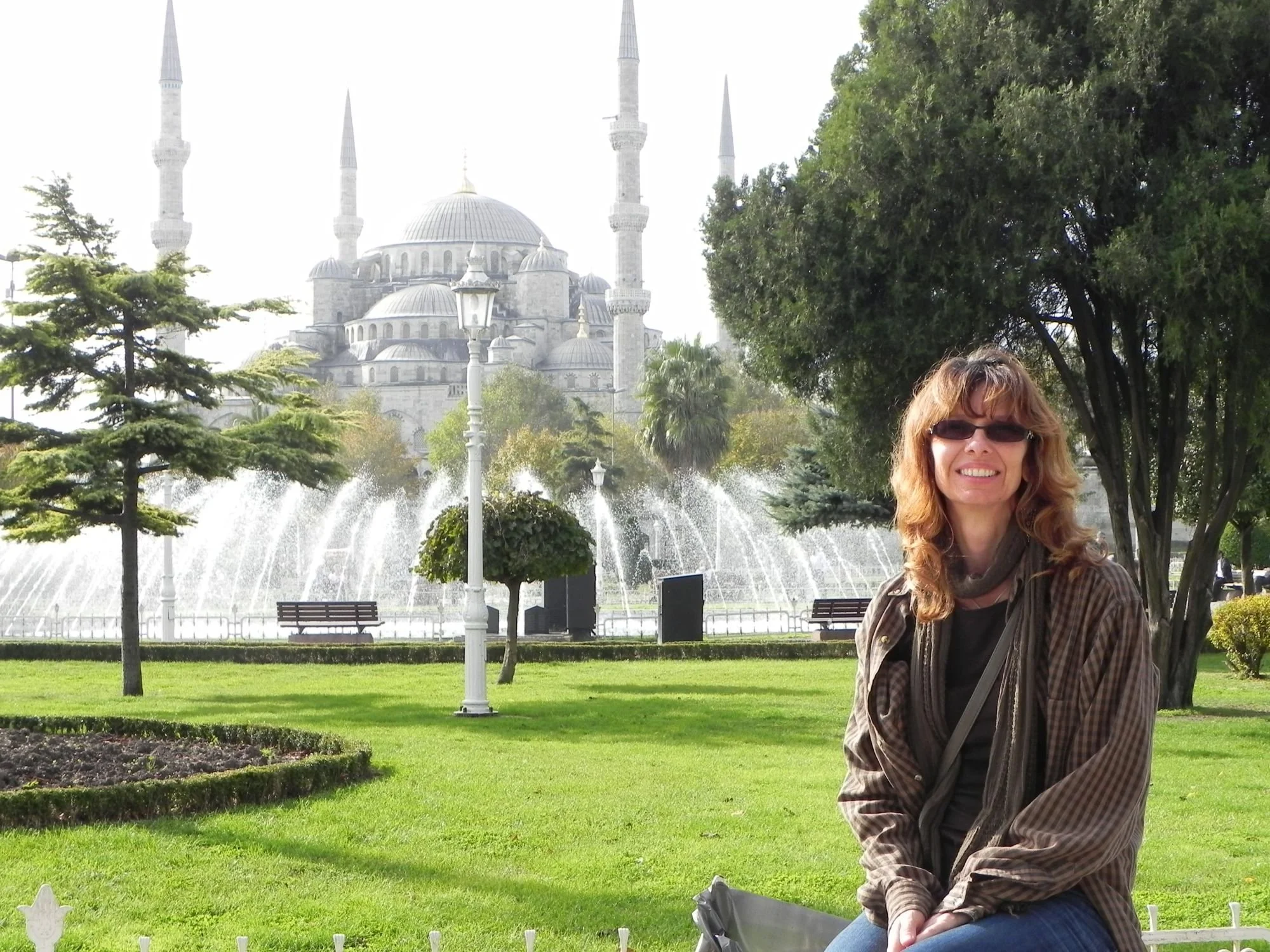
Glenna was ready to do something fun
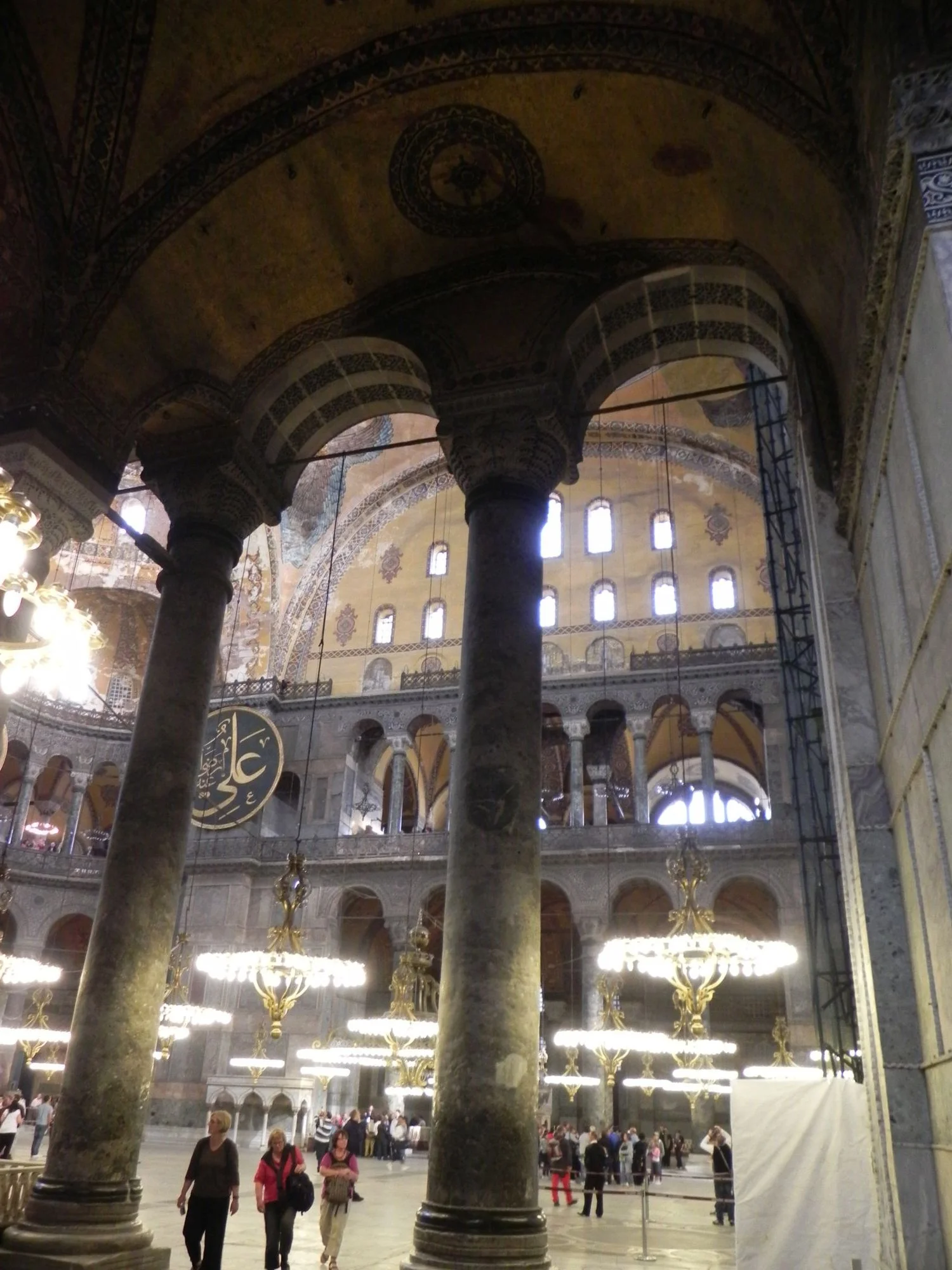
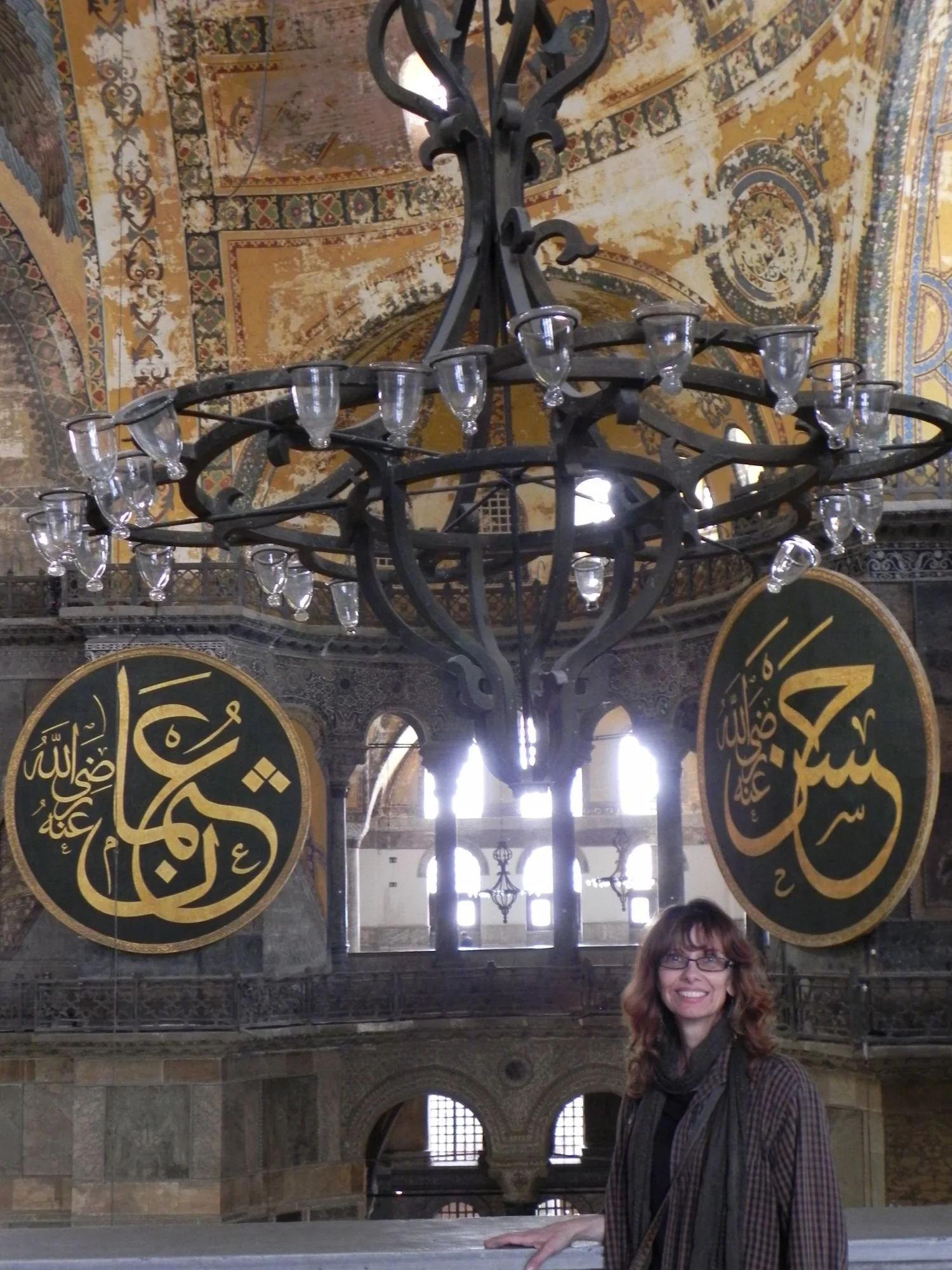
Inside the Hagia Sophia
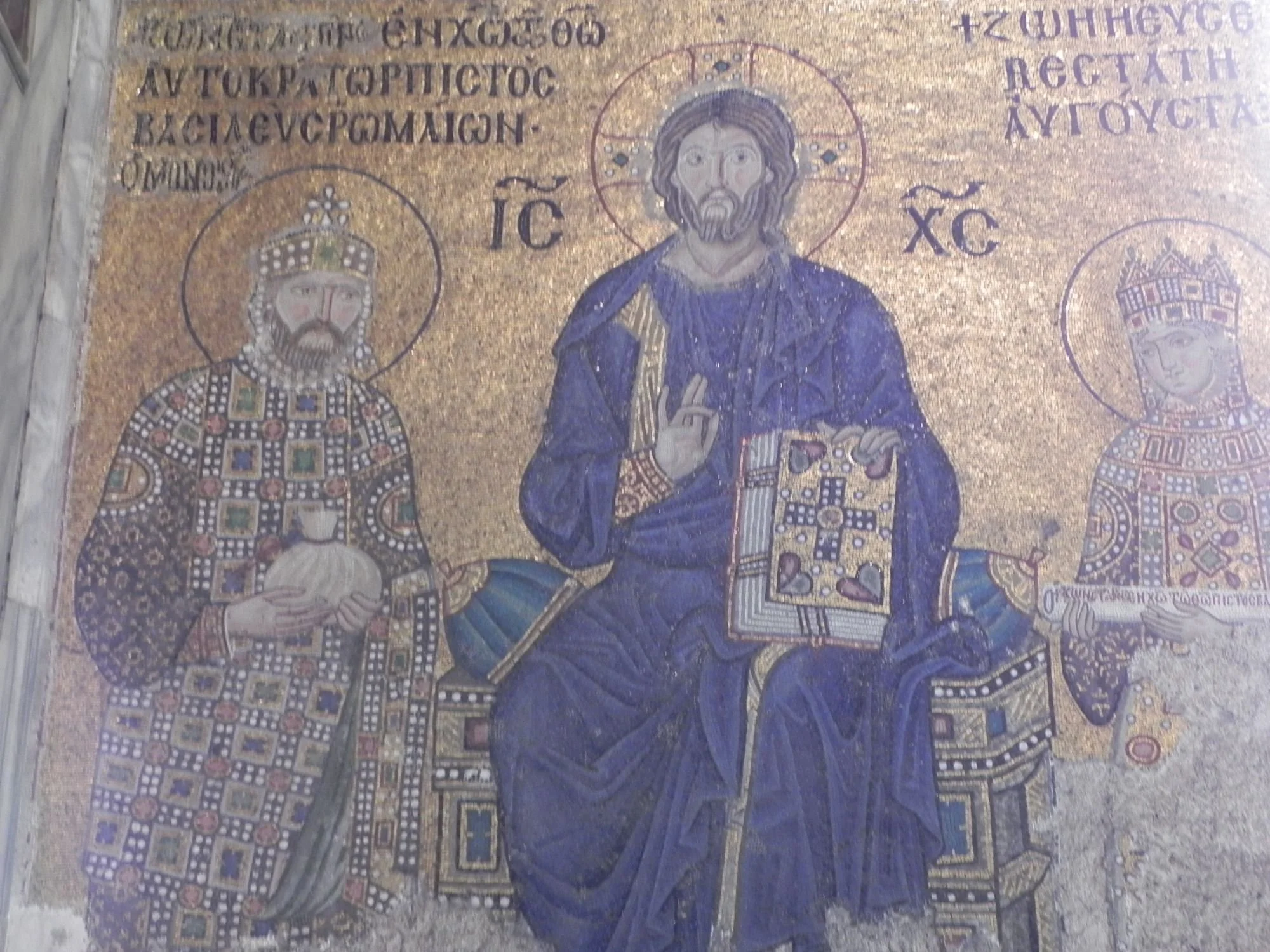
Upstairs
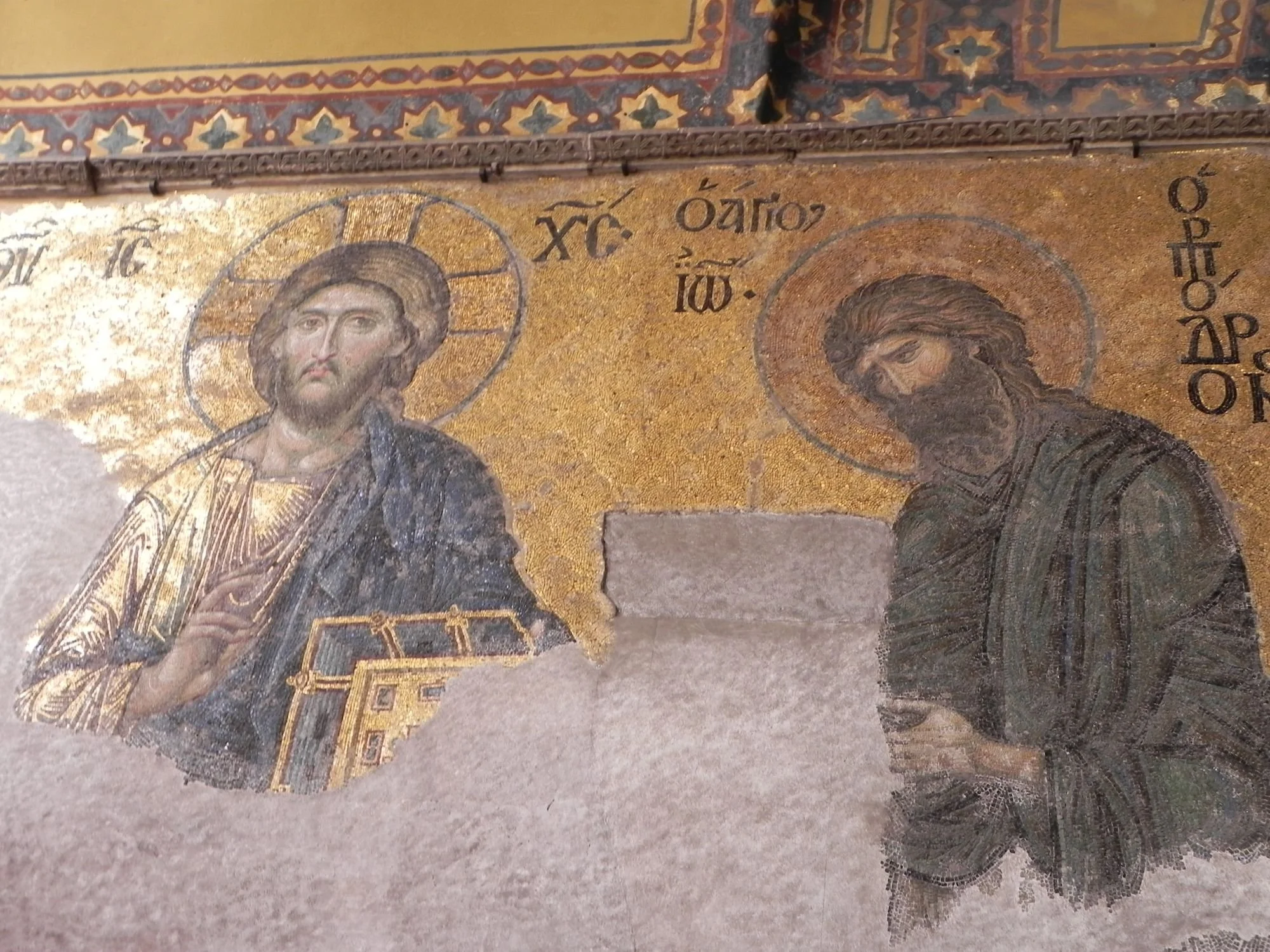
This has been on the wall for almost 1500 years
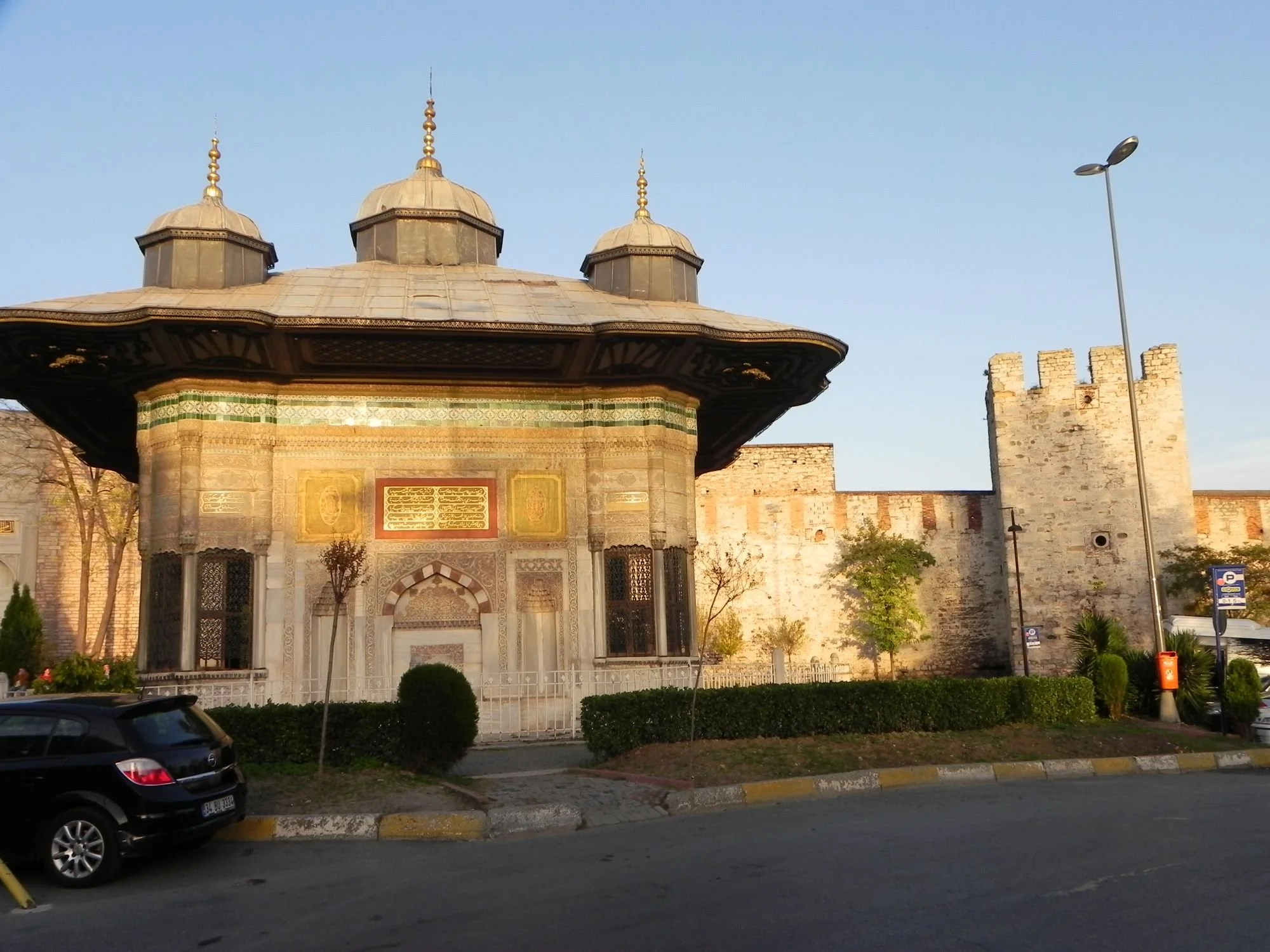
The Fountain of Ahmed, 1728
A source of free drinking water
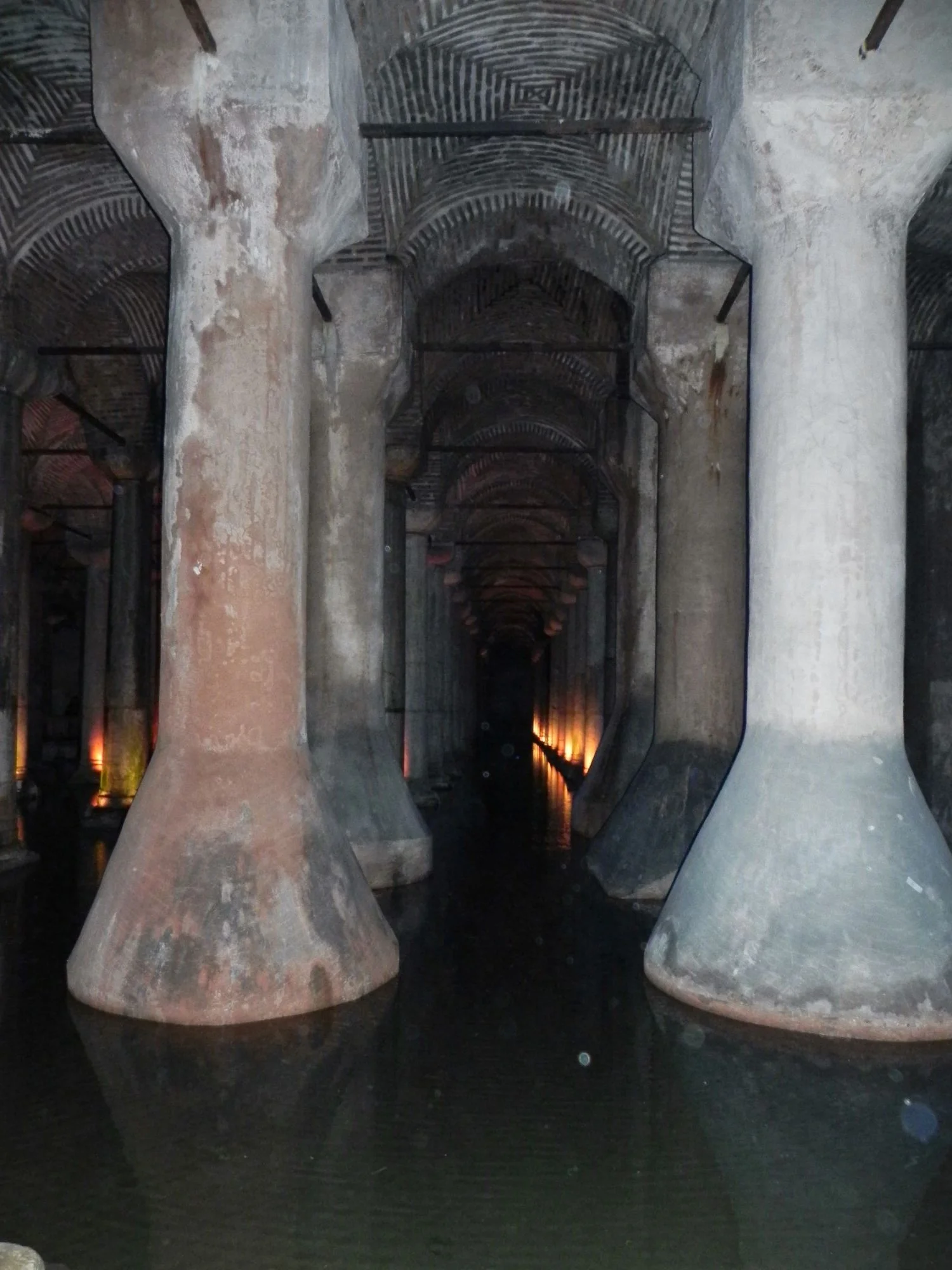
An enormous water cistern under the building