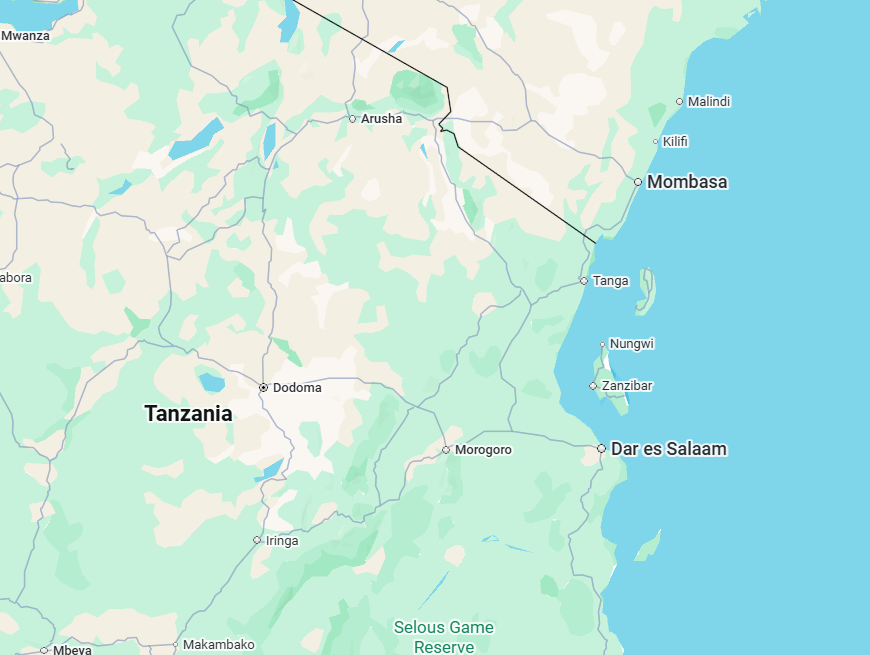
I know. I can hear you on the other side of the internet. “Zanzibar isn’t its own country. It’s part of Tanzania.” I get it. However, Zanzibar has a totally different history and culture from Tanzania and is a semi-autonomous region of Tanzania with its own president and legislature. It joined with Tanganyika in 1964 to form Tanzania. Zanzibar handles its internal matters (such as education and health), while Tanzania’s national government is responsible for defense and foreign policy.
Zanzibar has a long, tumultuous history. Sitting in the Indian Ocean, Zanzibar was a major trading hub for African, Arab, Persian, Asian, and Indian traders. In the 17th century, Oman ruled the island to control the spice and slave trades. In the 1800’s, the capital of Oman was in Zanzibar. In 1890, Zanzibar became a British protectorate while retaining a local sultan, a status that lasted until the revolution in 1963. In 1964, Zanzibar joined Tanganyika.
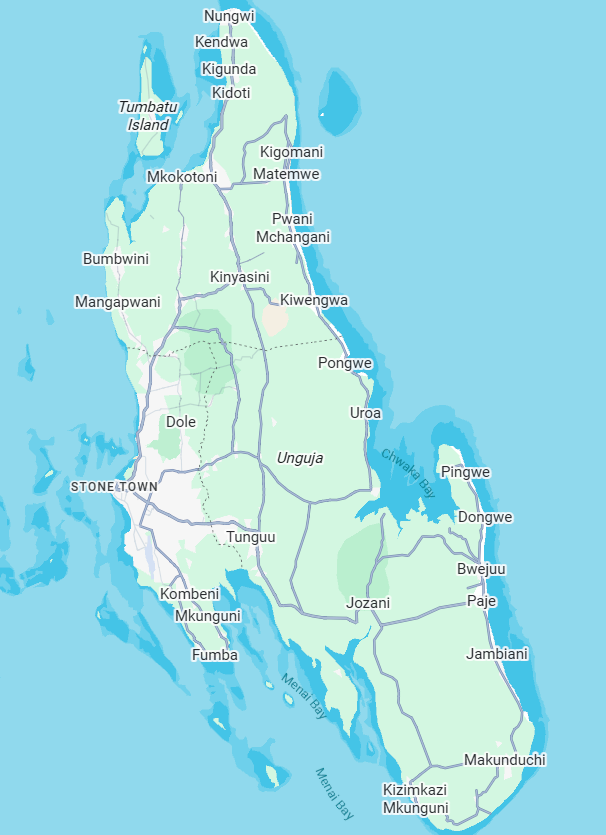
Zanzibar sits 22 miles off the African coast and has a population of 2.1 million. Its capital is Zanzibar City, with a historic core of Stone Town. The majority of the population speaks Swahili and is Muslim.
We visited Zanzibar in December 2010 /January 2011, after our safari in Tanzania. We spent half our time in Stone Town and the other half on the other side of the island at a beach.
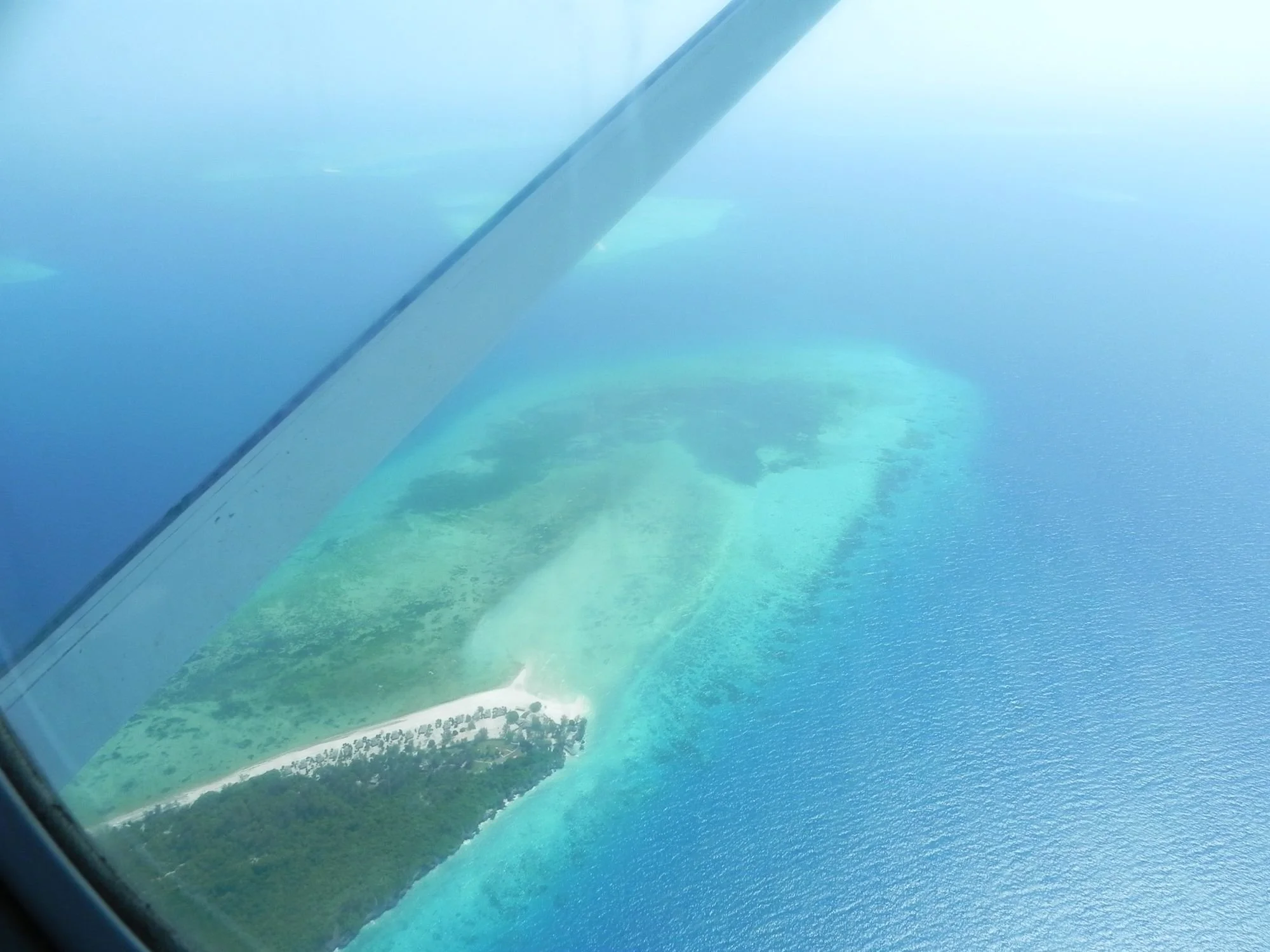
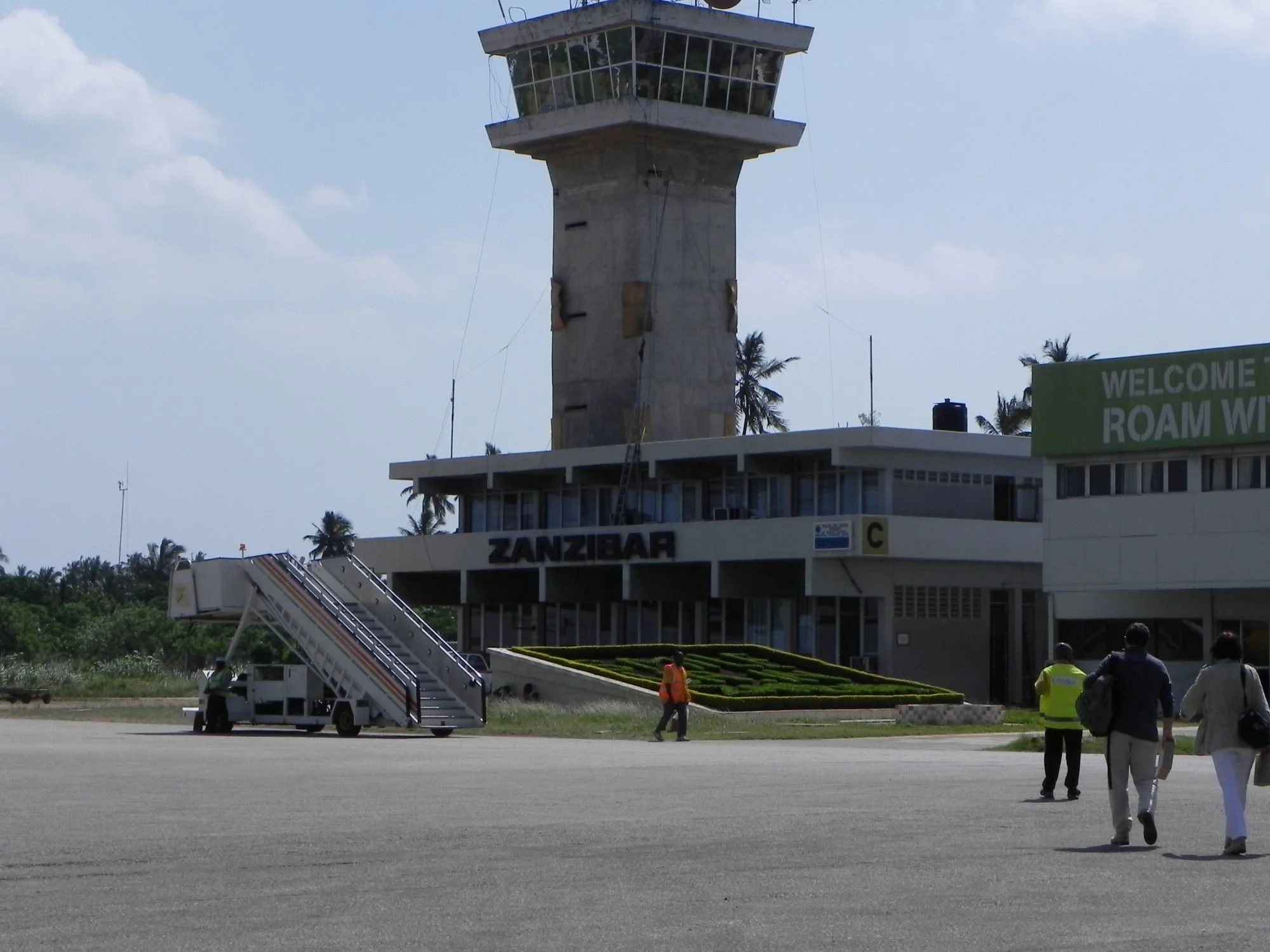
We flew into Zanzibar from Dar es Salaam
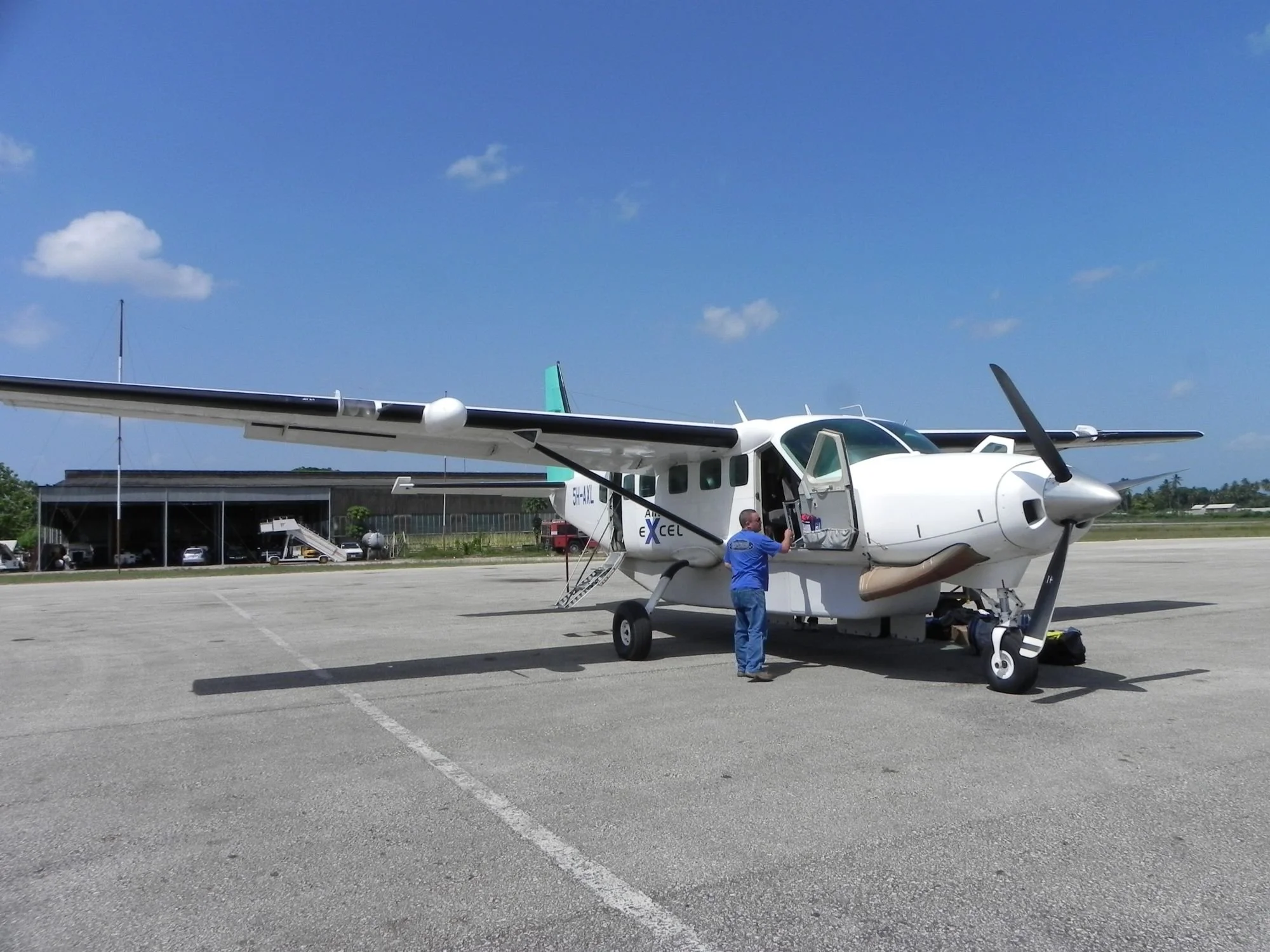
A very fast and easy flight
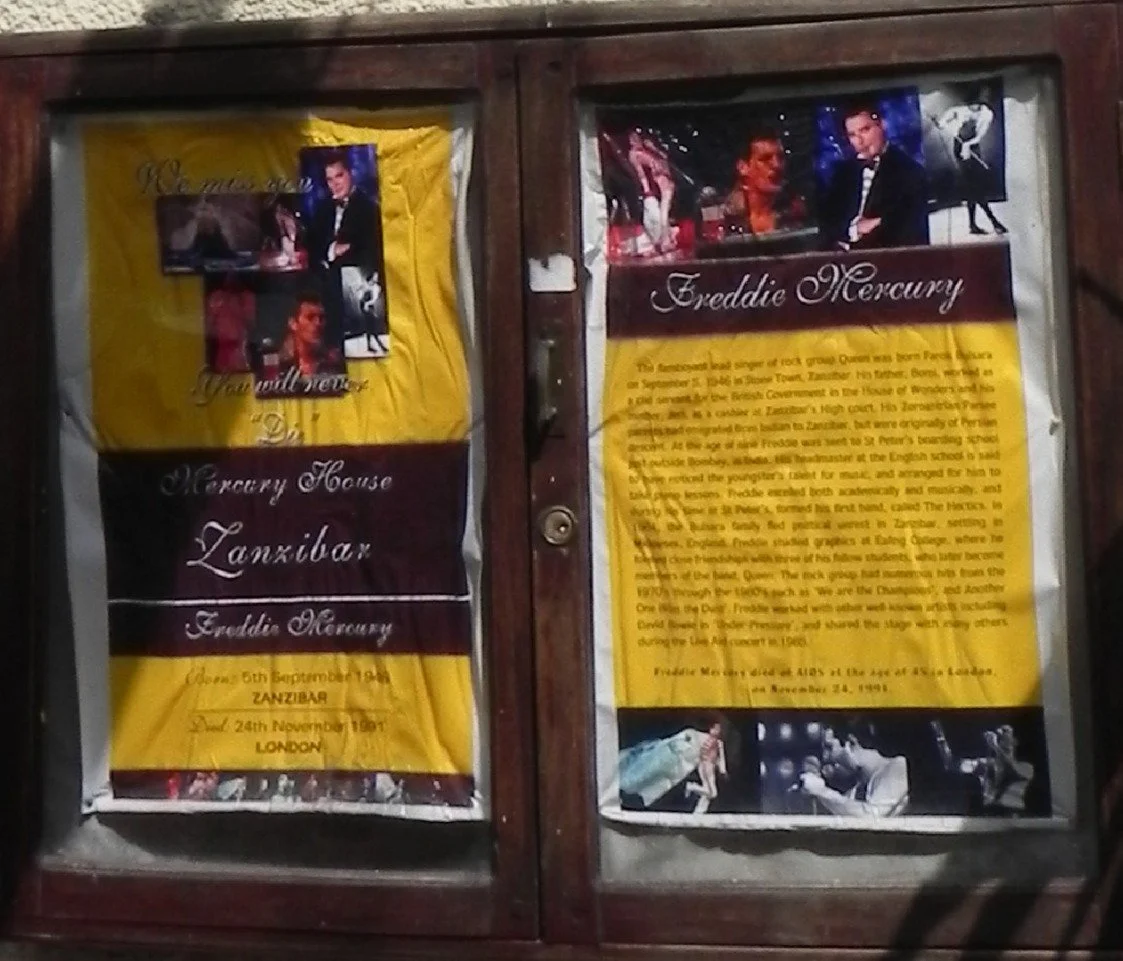
Freddy Mercury was born here in Zanzibar
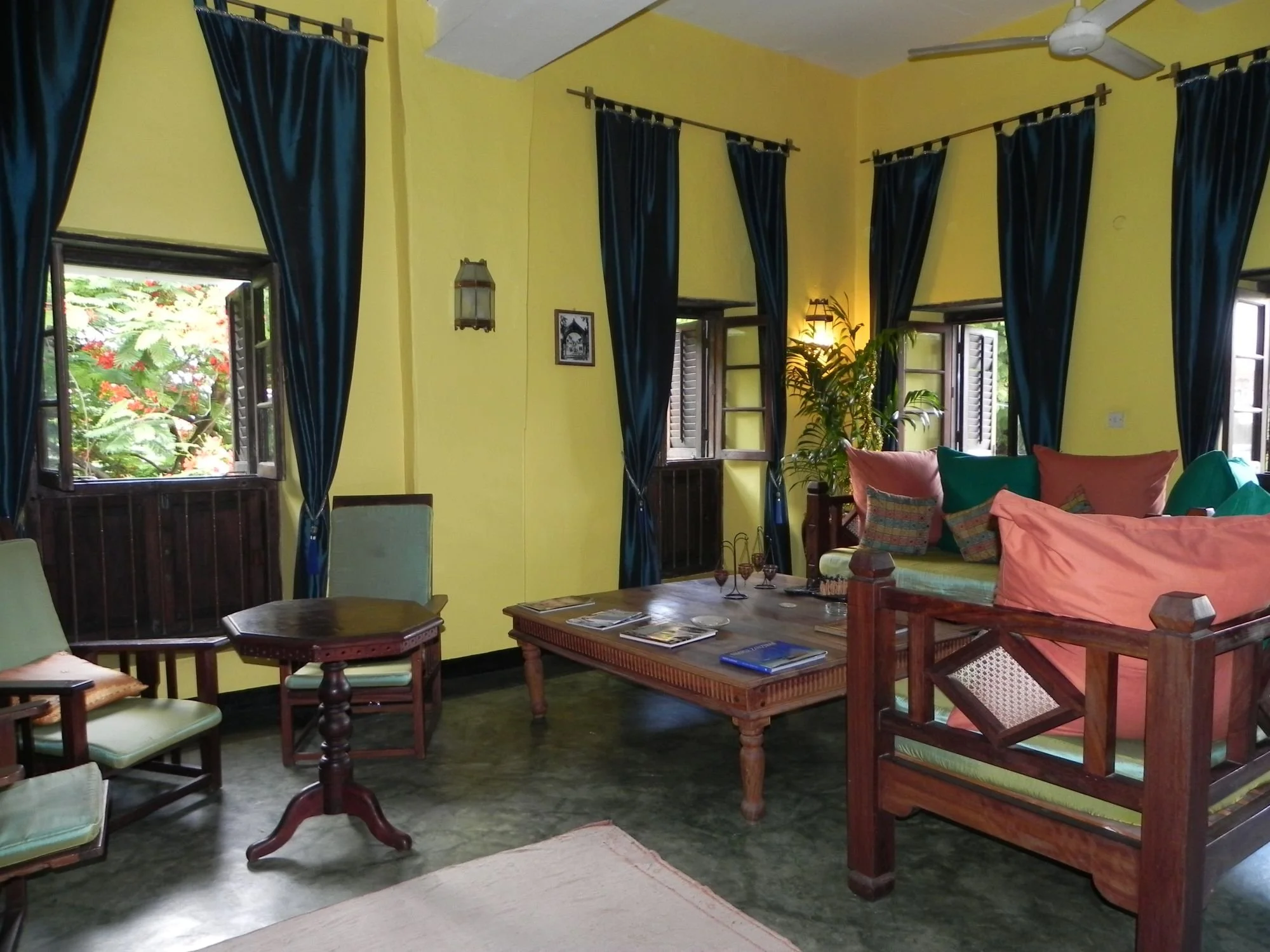
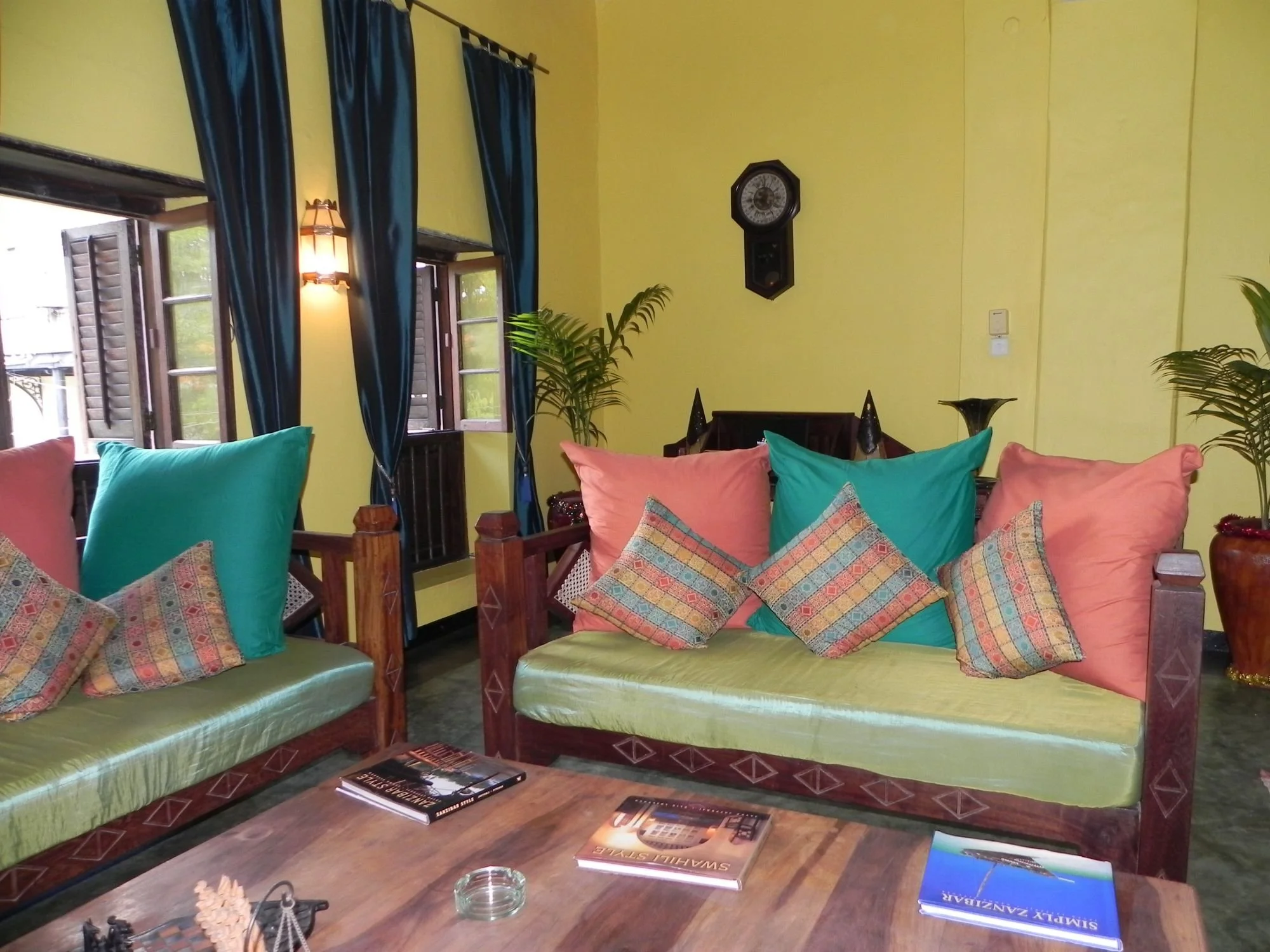
Our room was very big and clean
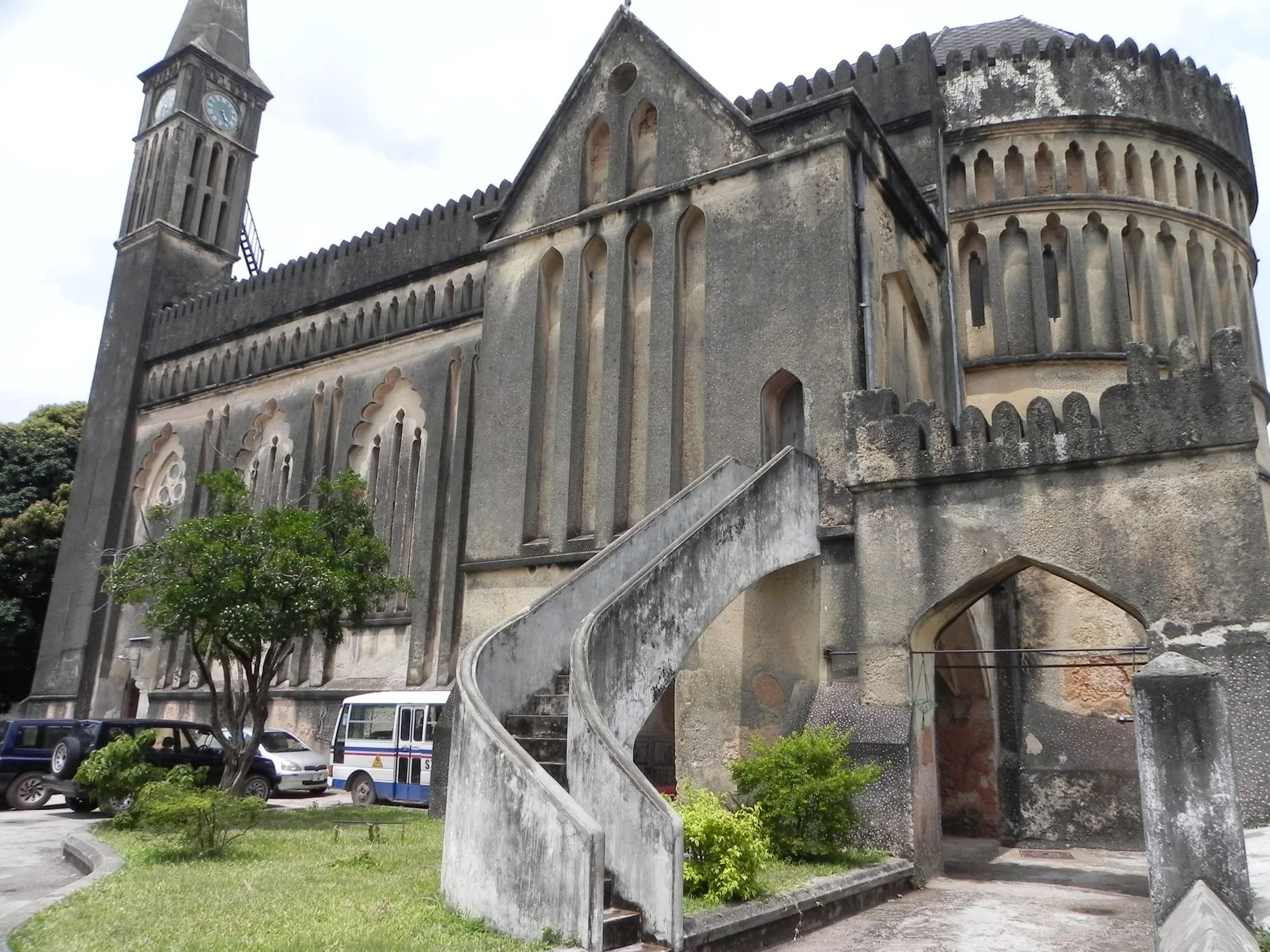
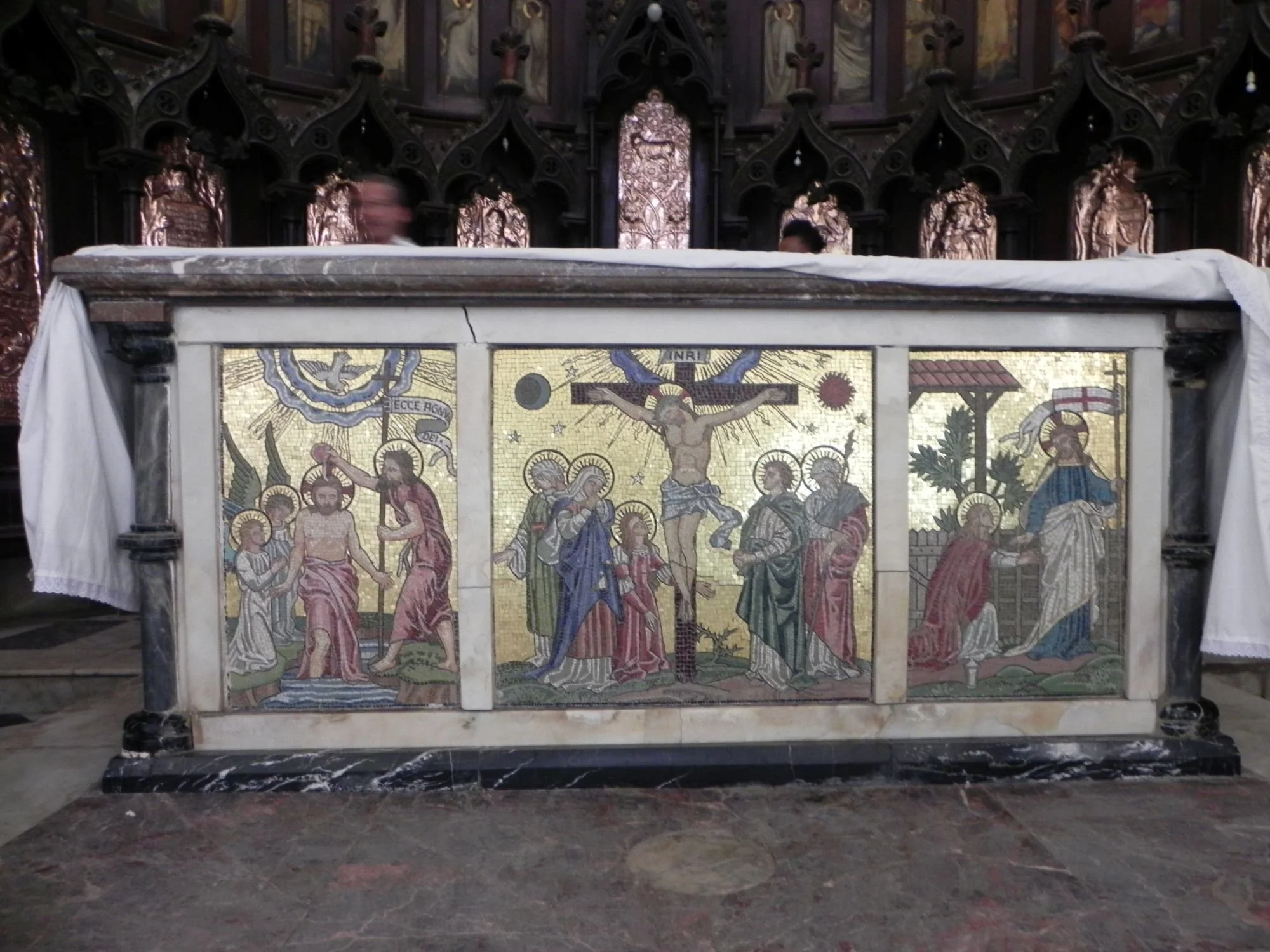
Christ Church, an Anglican cathedral in Stone Town, is a landmark of international historical significance. It was built on the site of the island's last permanent slave market as a symbol of the abolition of the slave trade in 1873
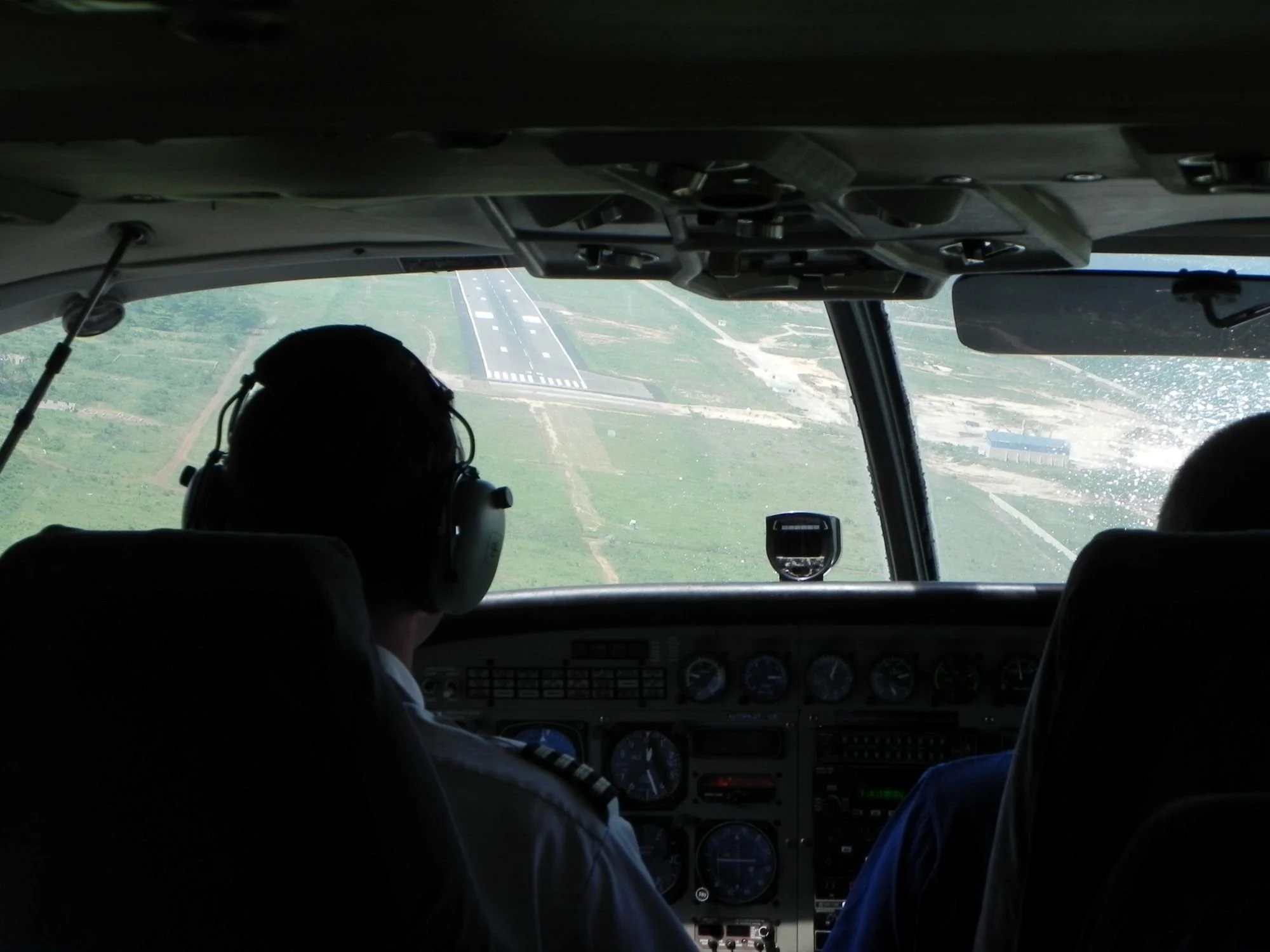
I was sitting right behind the pilot as we landed
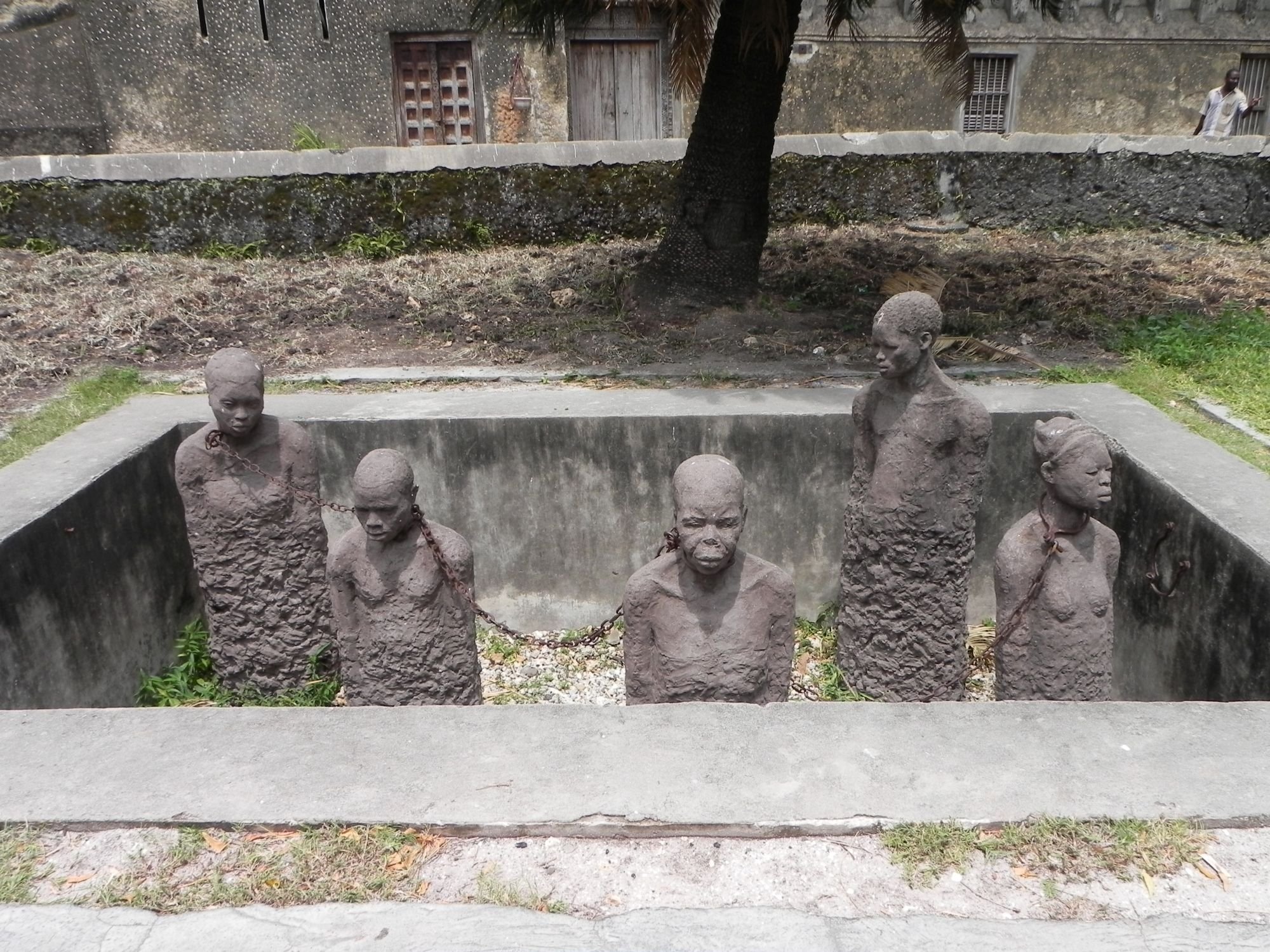
Slave Market Memorial
Once the largest and last open-air slave market in East Africa.
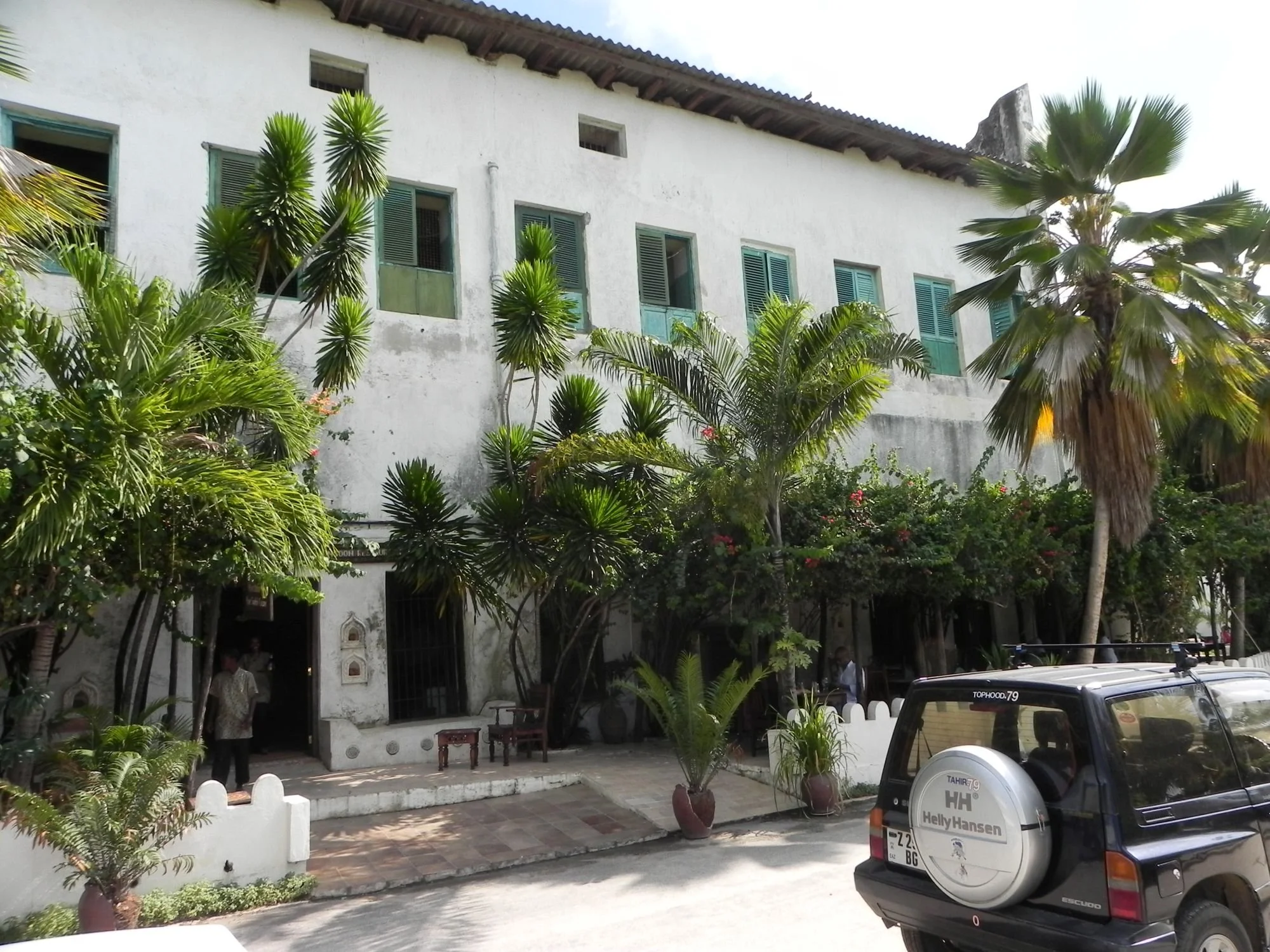
Our hotel in Stone Town for the next few nights
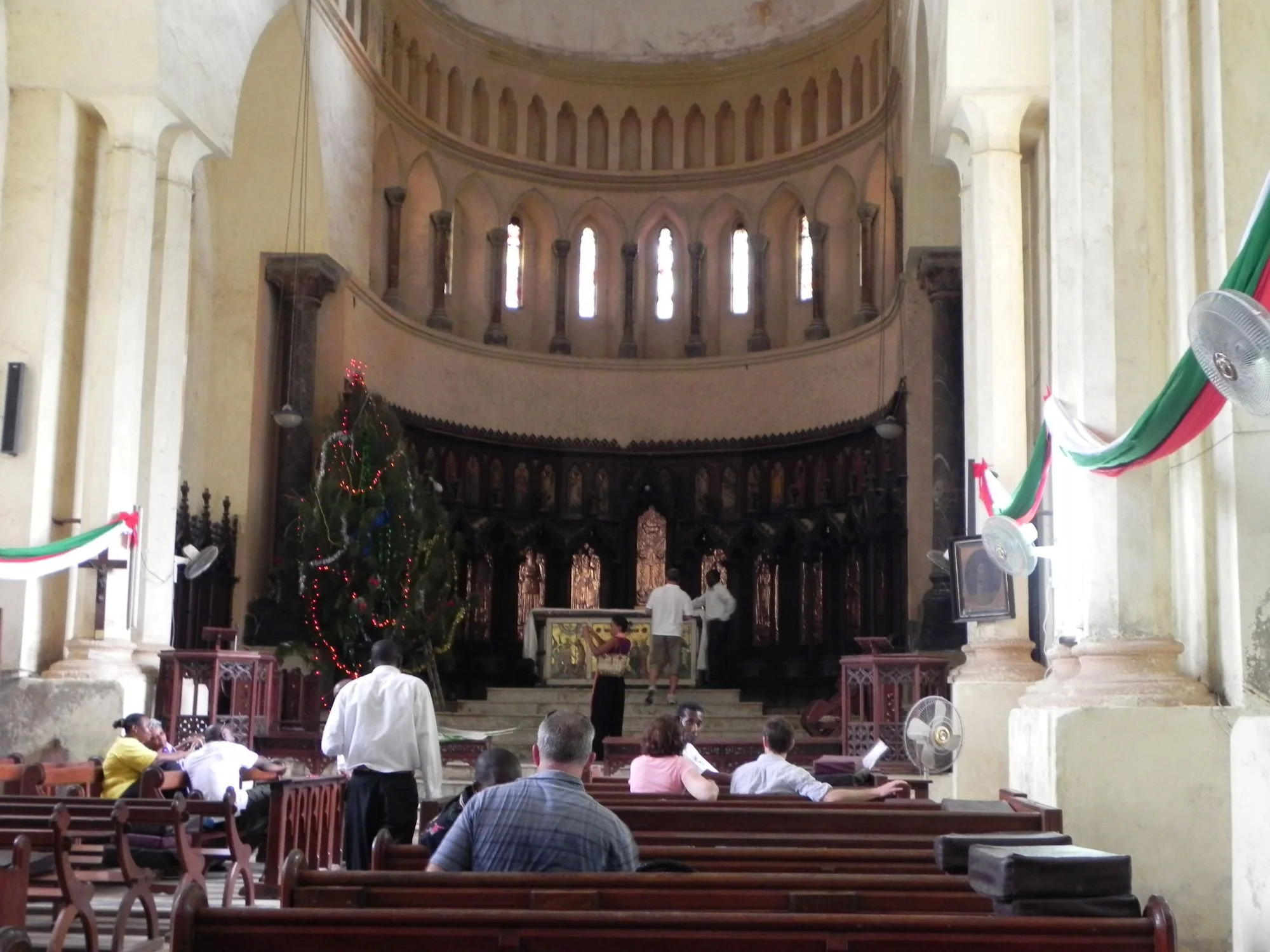
Inside the church
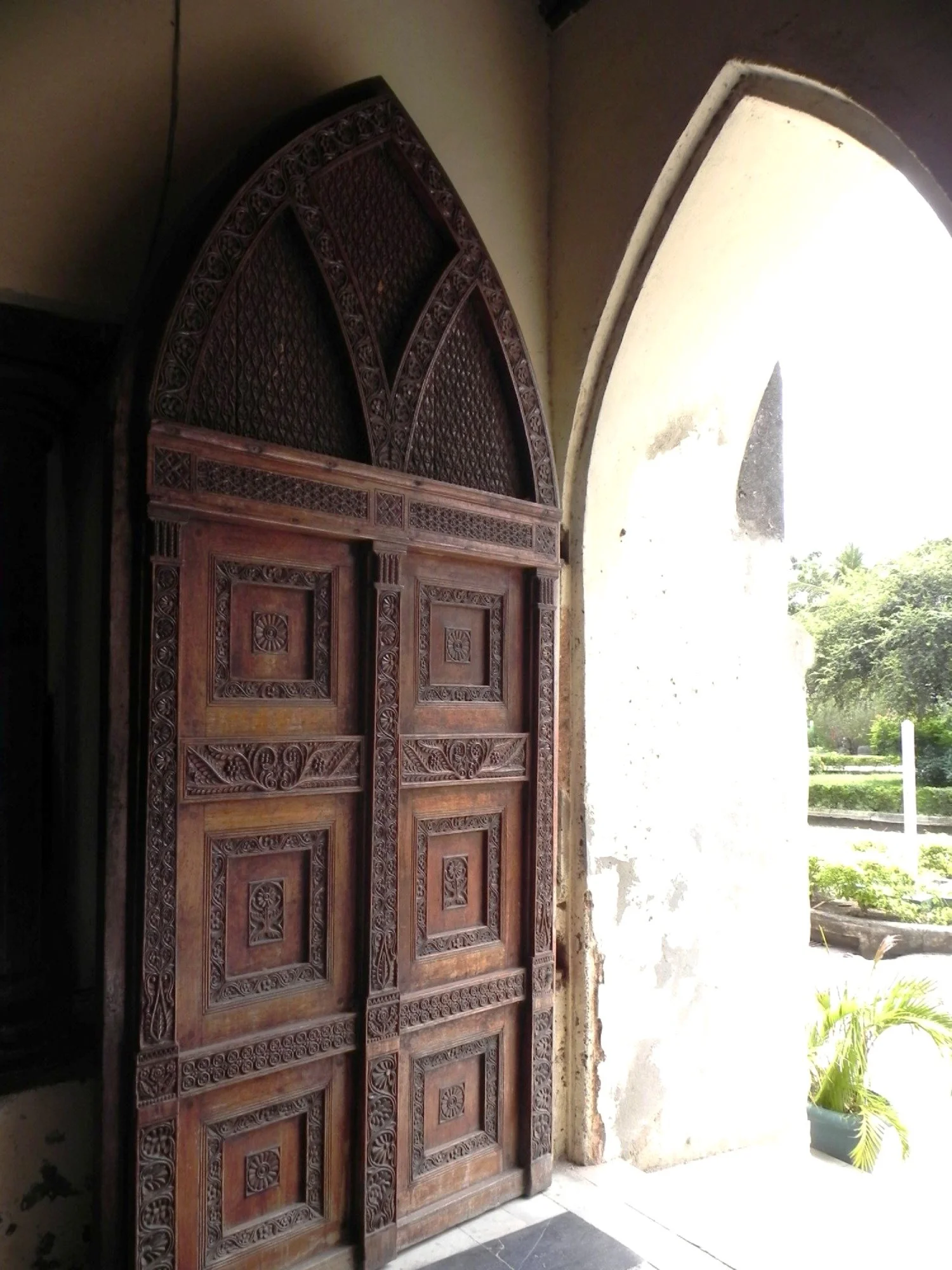
A church side door