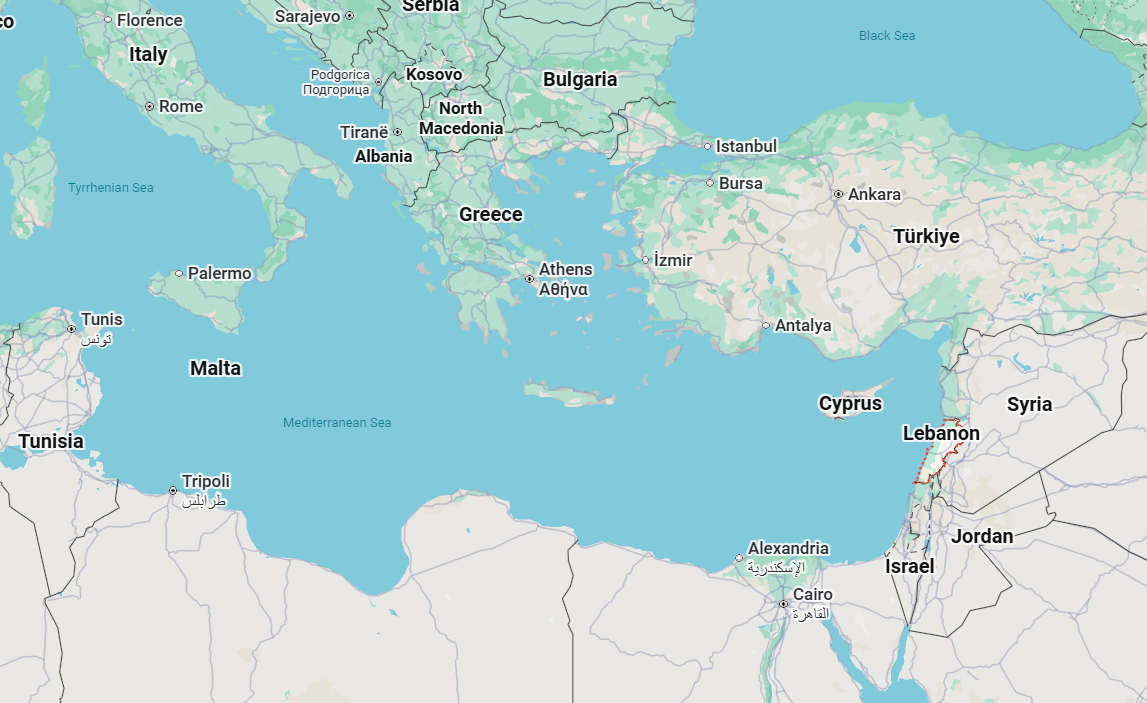
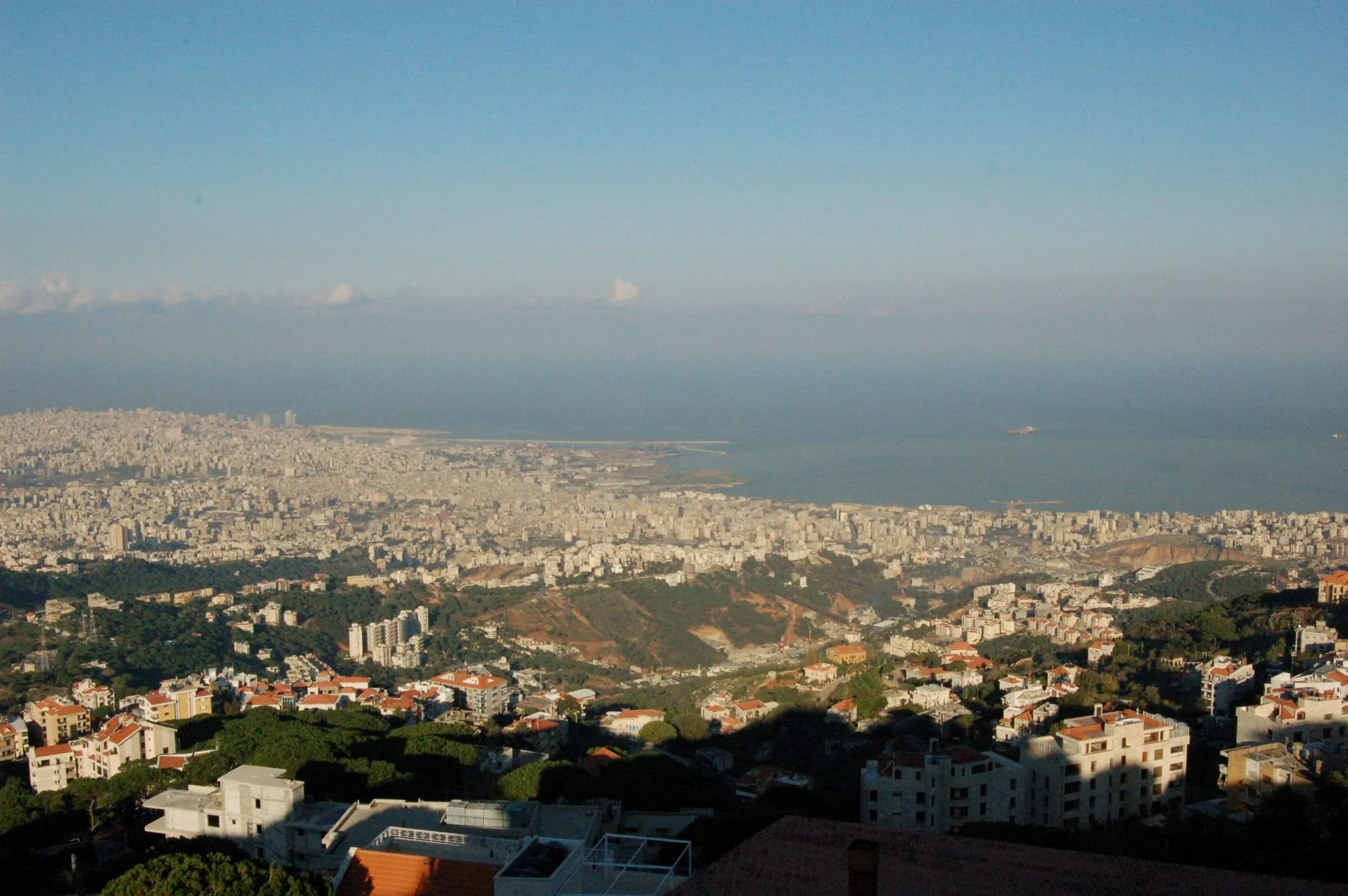
We took this trip to Lebanon in December 2008. We stayed in a quaint little hotel in the hills overlooking the coastal capital city of Beirut, with sweeping views of the Mediterranean and the dense urban skyline below. From there, we explored Beirut on foot, drove north along the scenic coastal highway to the ancient port cities of Byblos and Tripoli, and crossed the mountains eastward into the fertile Beqaa Valley and the magnificent Roman ruins at Baalbek. Lebanon is an extraordinarily interesting and beautiful country, packed with dramatic landscapes in a surprisingly small area. Snow-covered mountains rise high enough for skiing in winter, while only an hour away, sunny beaches line the Mediterranean, where people swim, fish, and relax. Inland, wide valleys and semi-arid plains are dotted with vineyards, orchards, and small farms that have sustained communities for thousands of years.
Beirut itself is a fascinating blend of old and new. Modern glass towers and luxury shopping malls stand within walking distance of ancient souks—traditional markets filled with gold jewelry, carpets, spices, and leather goods. Side streets reveal Ottoman-era houses, French colonial buildings, and newly rebuilt districts that reflect the country’s ongoing recovery and reinvention. The city has long been known as the “Paris of the Middle East,” reflecting its cafés, seaside promenades, and strong French cultural influence.
The culture is remarkably diverse. Arabic is the official language, but French and English are widely spoken, especially in coastal cities and among the younger generation. Islam, Christianity, and the Druze faith are openly practiced, and churches and mosques often stand within sight of one another. Lebanon’s population includes numerous religious communities—Maronite Christians, Sunni and Shiite Muslims, Greek Orthodox, and Druze. Architecturally, Lebanon spans thousands of years of civilization. Phoenician foundations, Greek and Roman temples, Byzantine churches, Ottoman mosques, and modern structures all exist side by side. The Roman ruins at Baalbek, in particular, were the most dramatic and best preserved I had ever seen.
Lebanon, however, is also a country shaped by conflict. A devastating civil war lasted from 1975 to 1990, and more recent fighting has left visible scars. Many buildings remain pockmarked with bullet holes and shell damage, quiet reminders of the violence that once engulfed the city.
Hezbollah was formed in 1982 in response to the Israeli occupation in the southern region of the country. It was founded to stop the expansion of Israel into the country, expel its military, and regain autonomy. Hezbollah is currently a major political party and is still fighting to keep Lebanon free from Israel’s control.
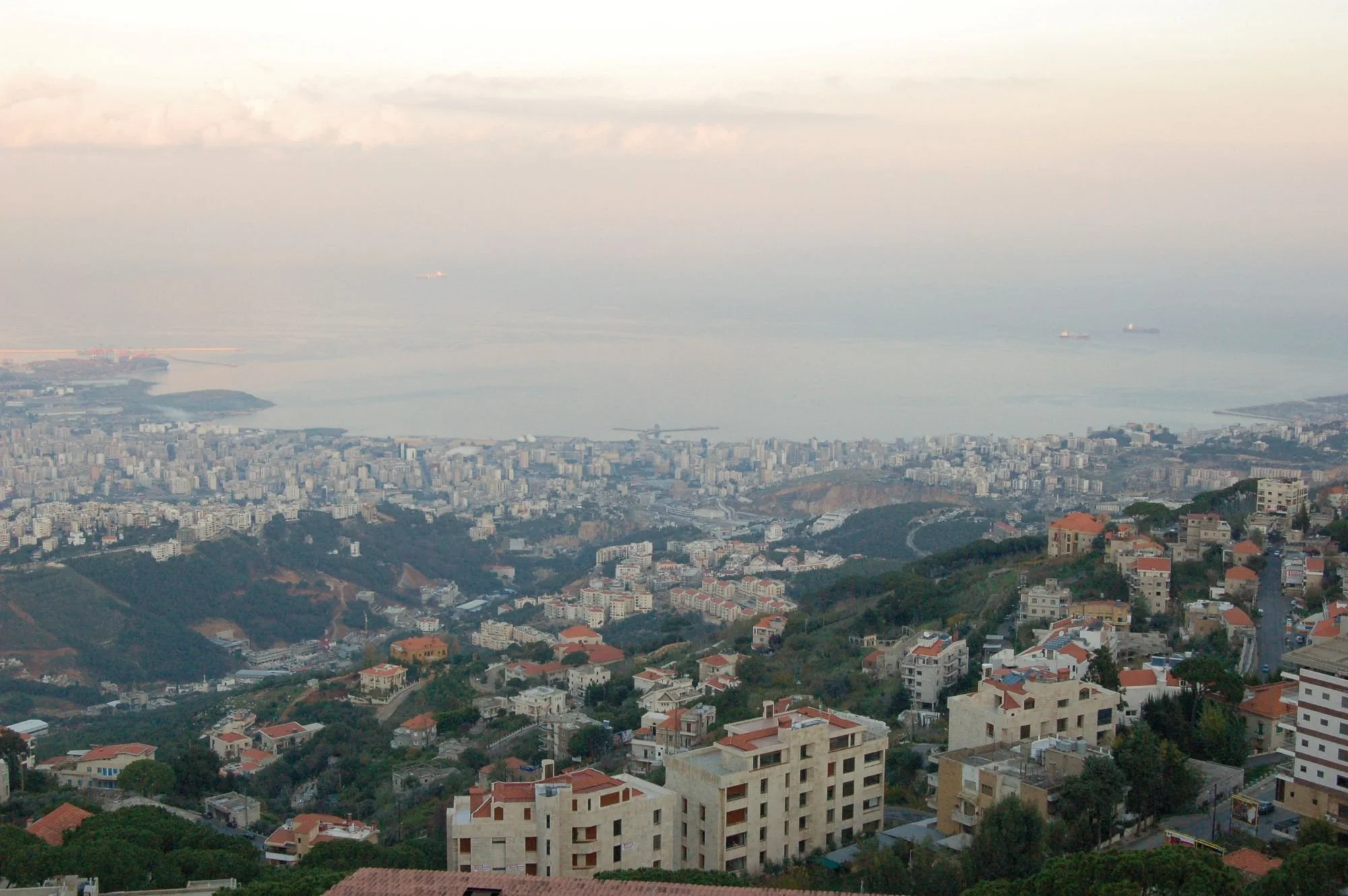
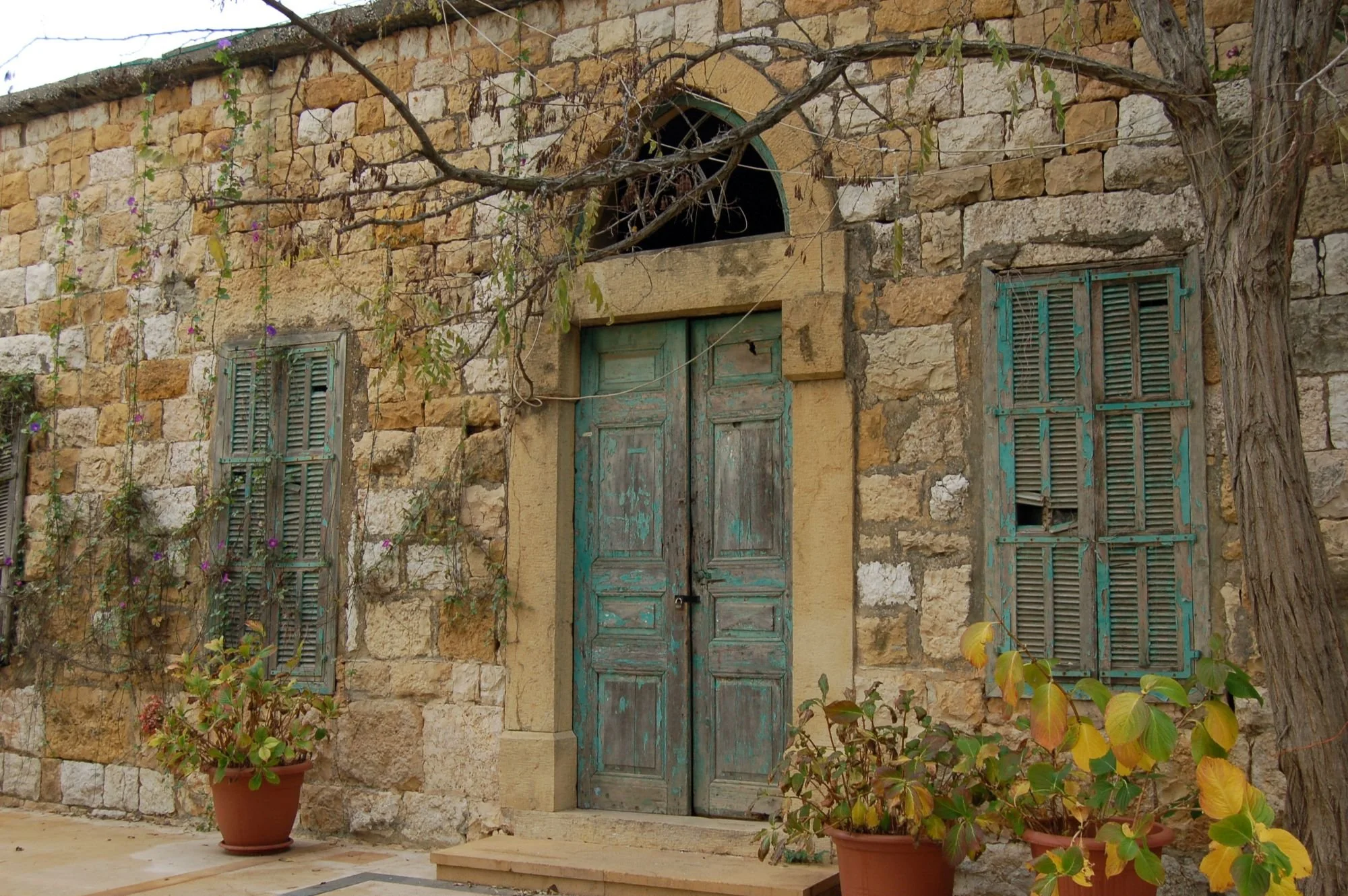
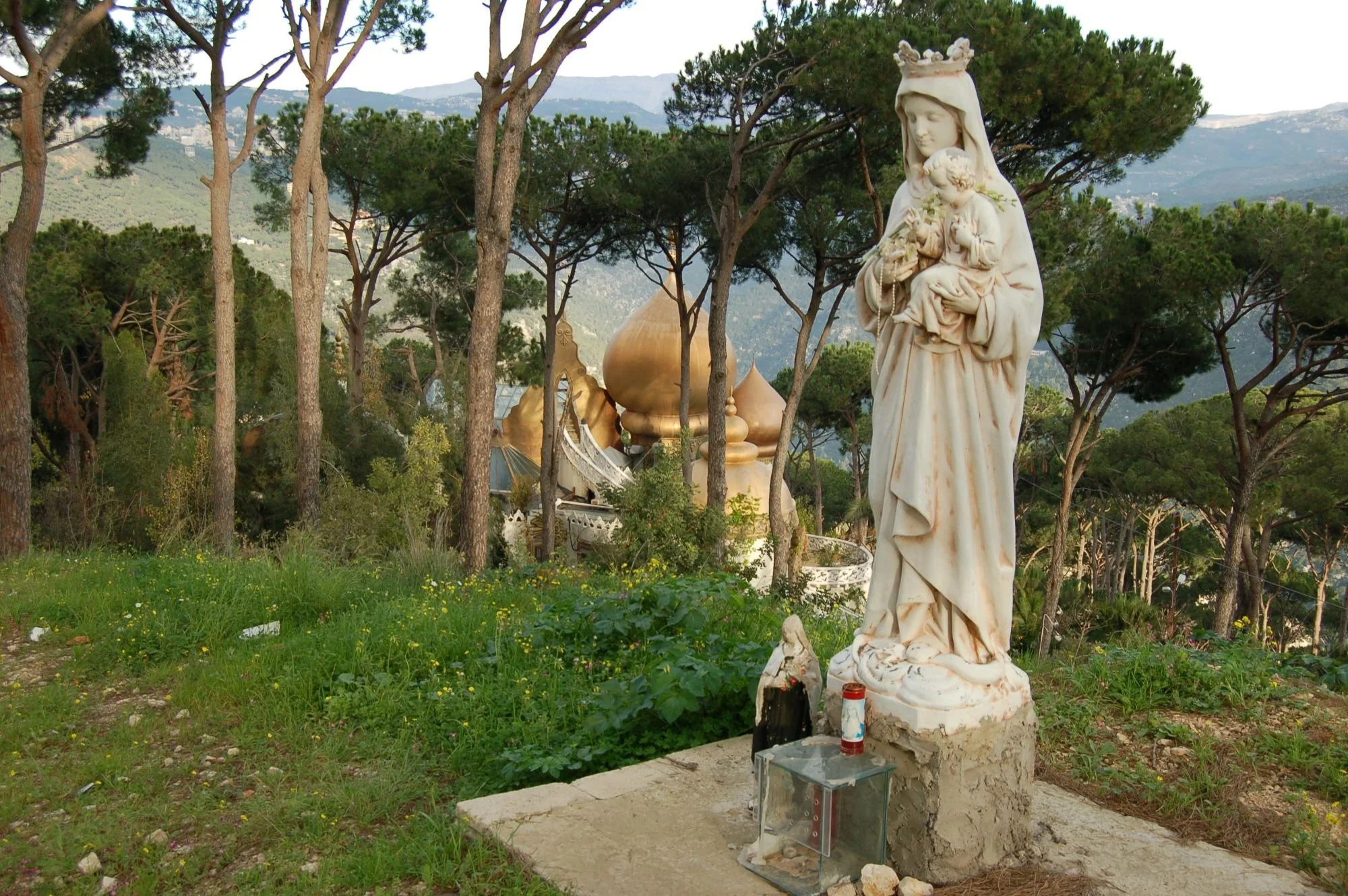
Our hotel in Beirut was in the hills overlooking the city and ocean, Beit Meri
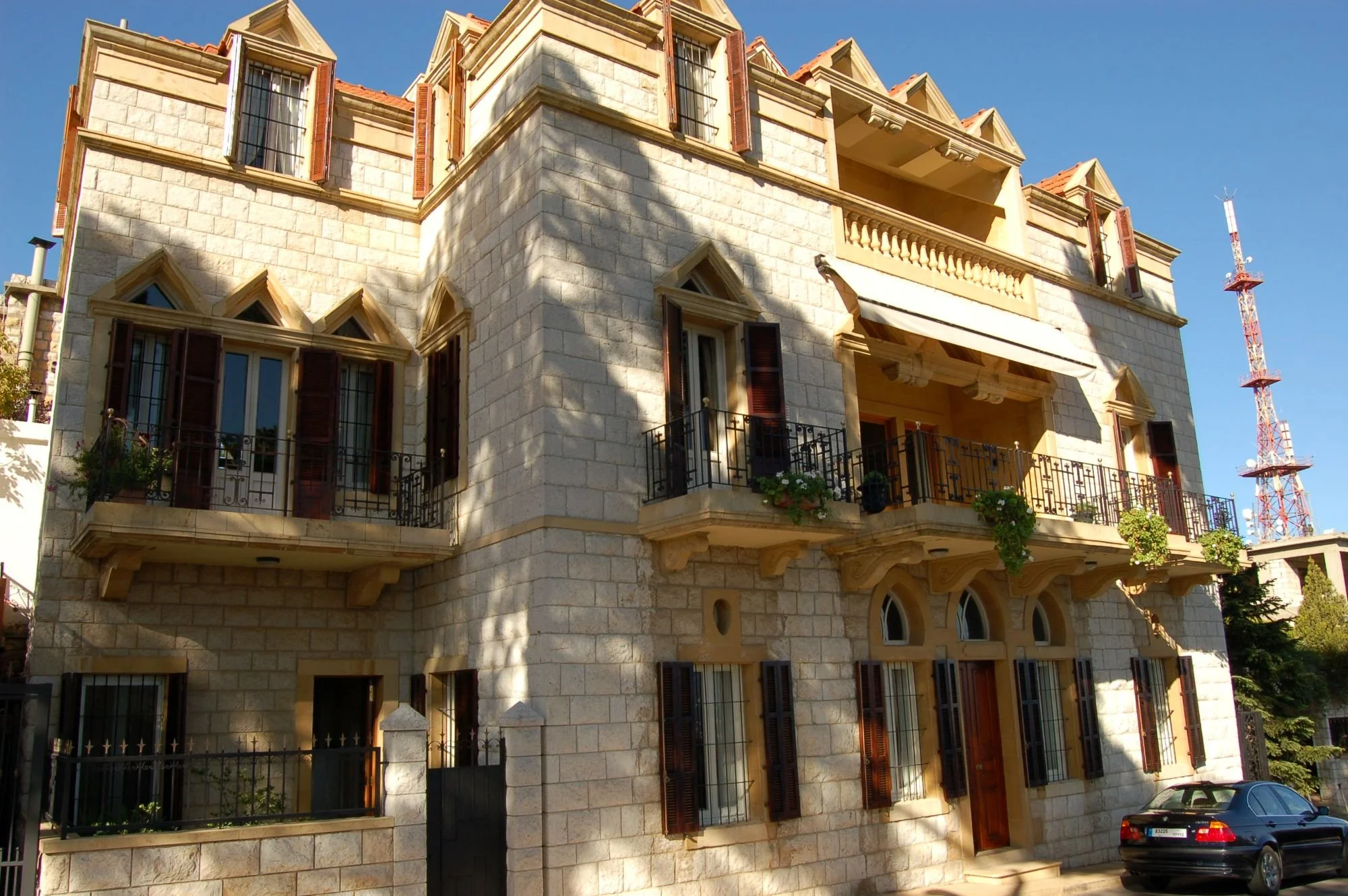
Beit Meri was a quiet residential area
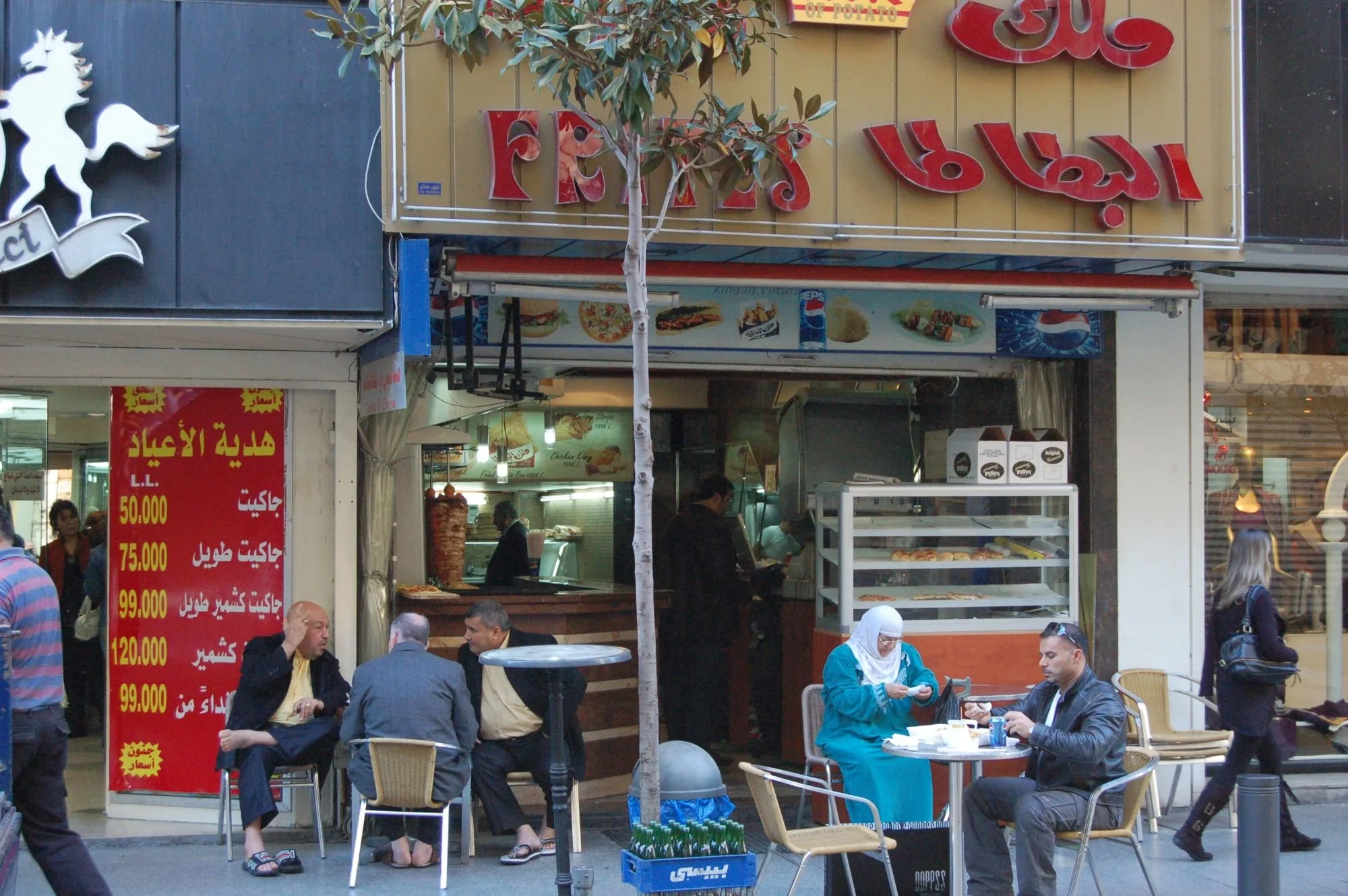
A city famous for its hundreds of sidewalk coffee shops and restaurants
Scattered through-out the city are reminders of its ancient past
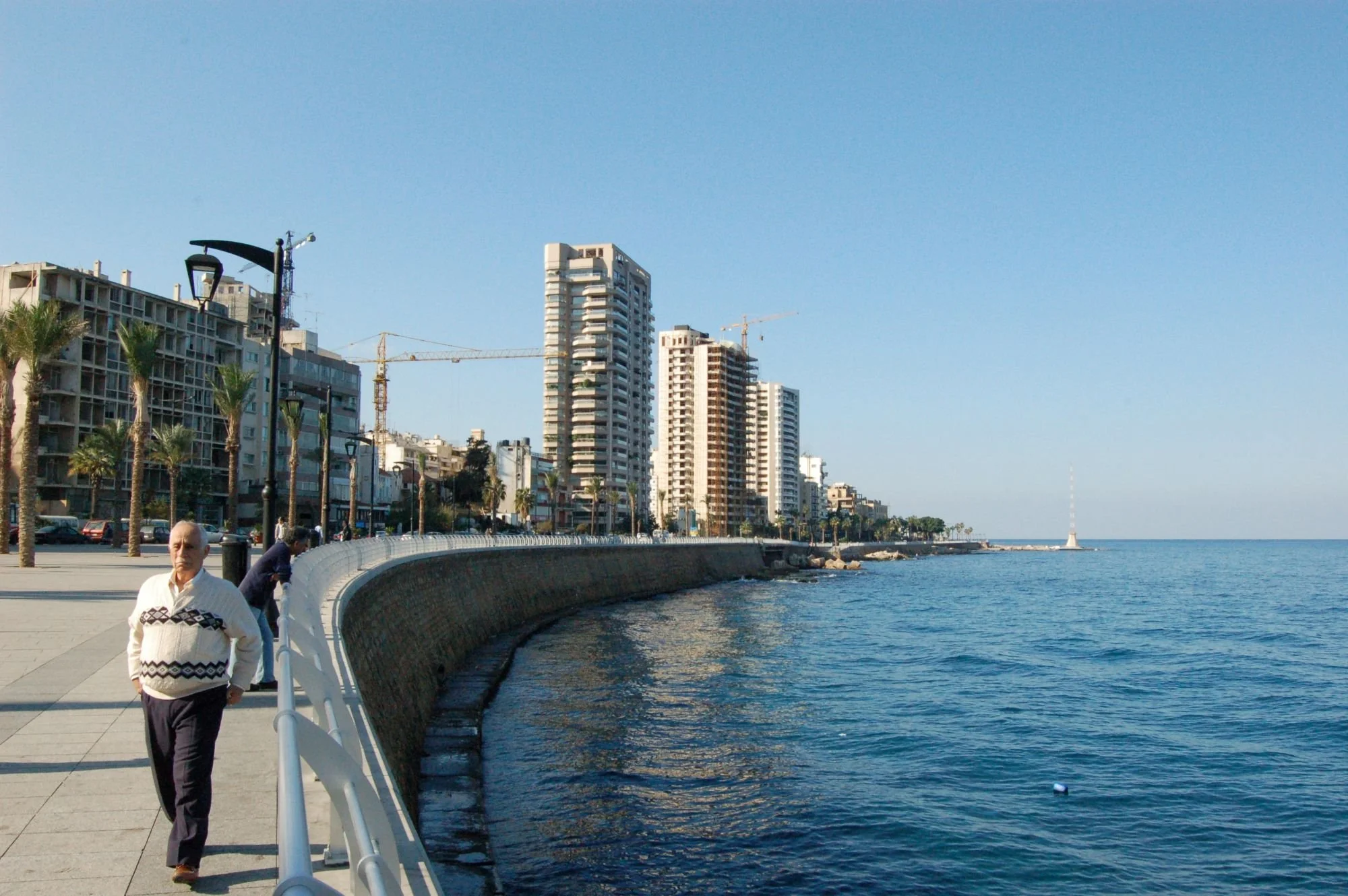
Miles of paved walkways along the water
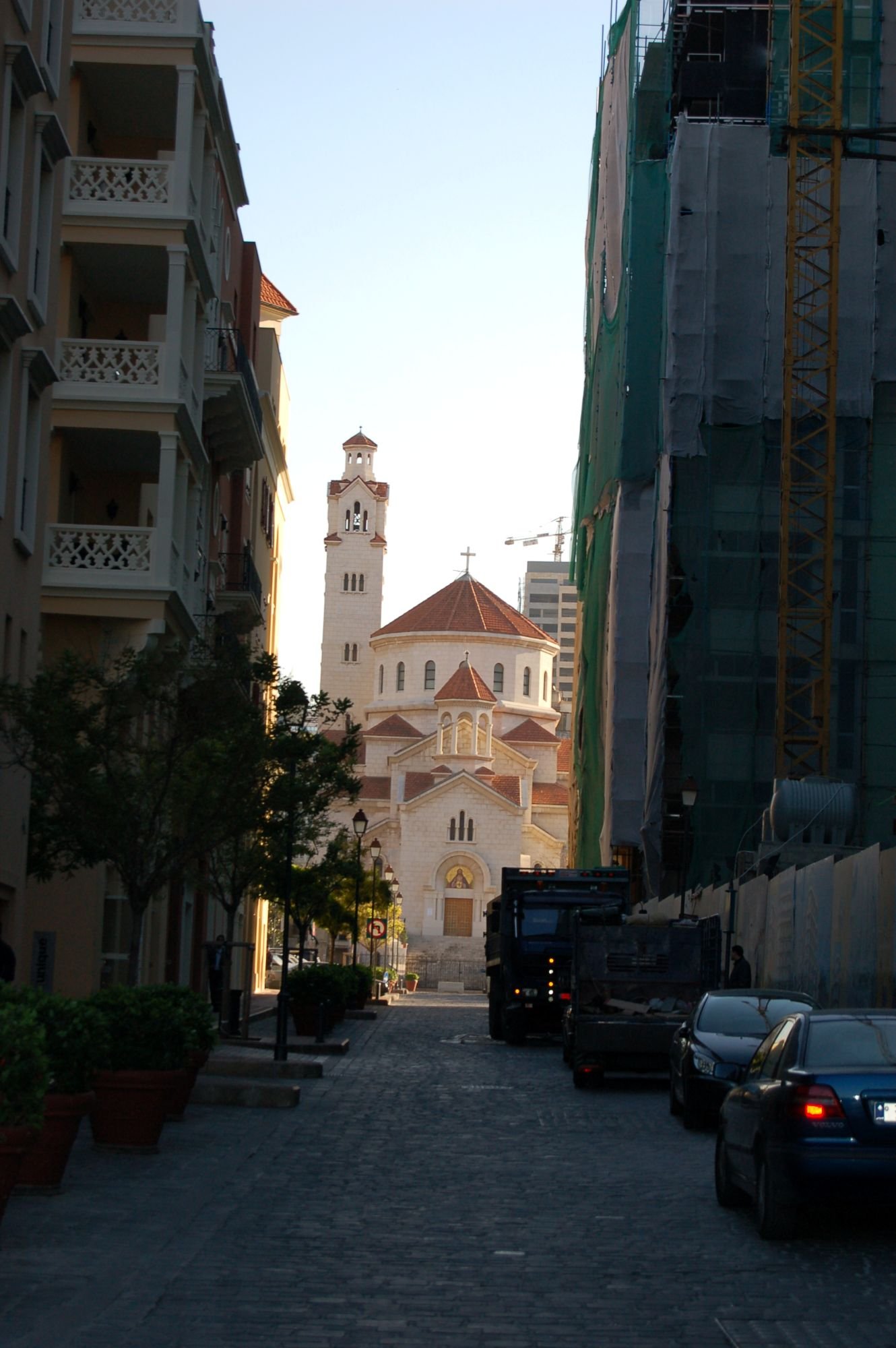
Beirut has miles a great little streets
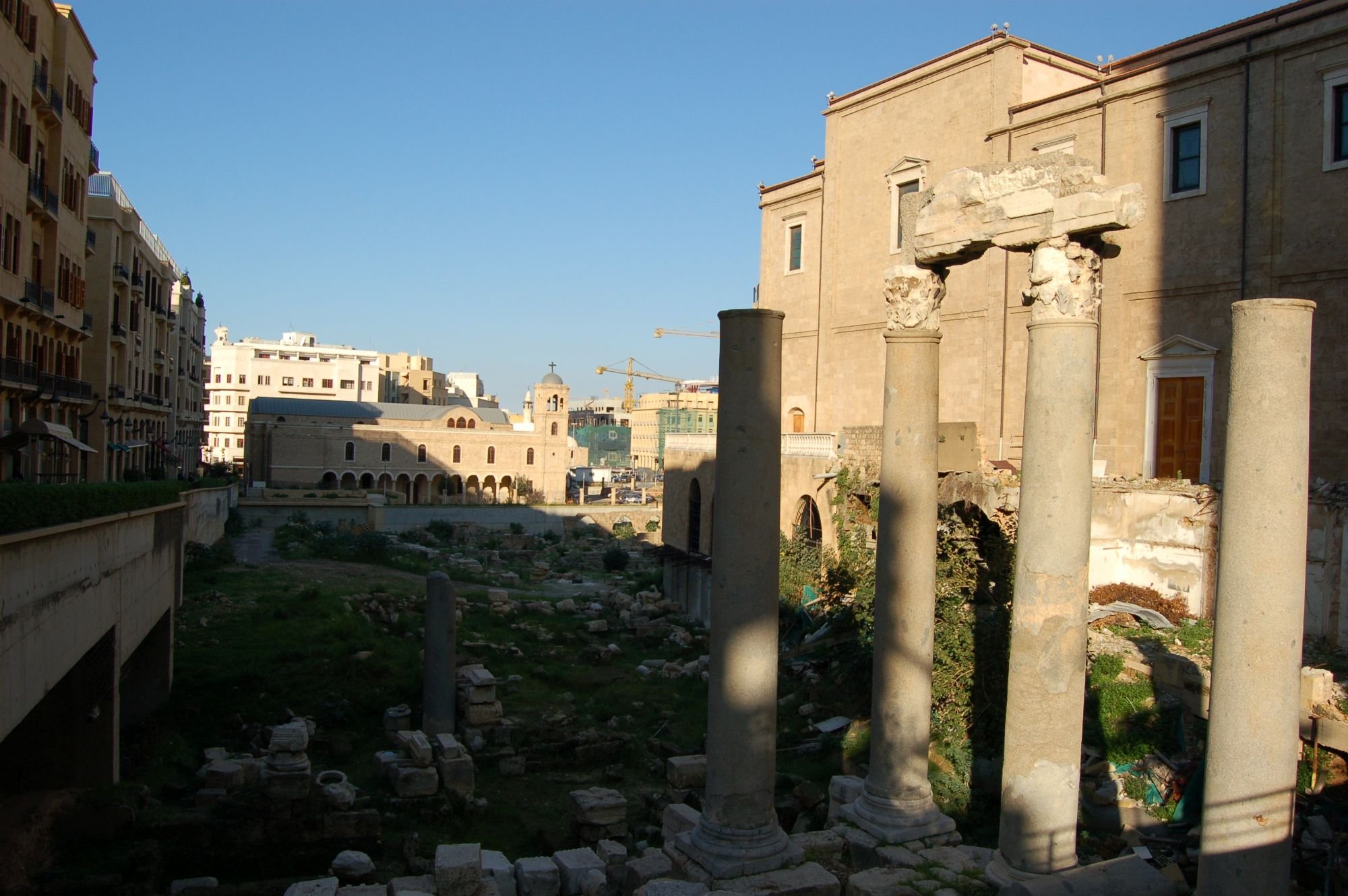
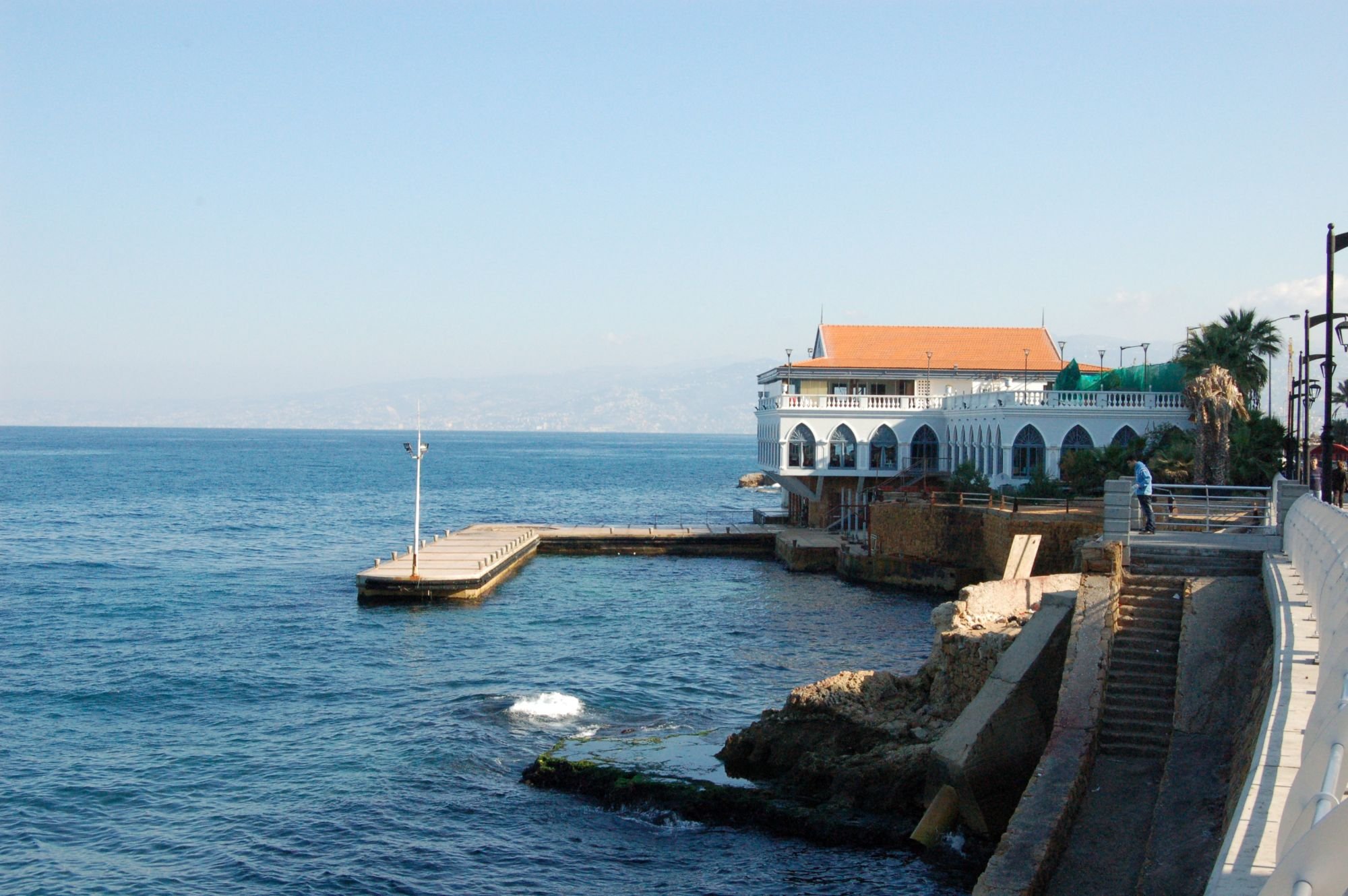
Beirut is a beautiful city on the Mediterranean Coast
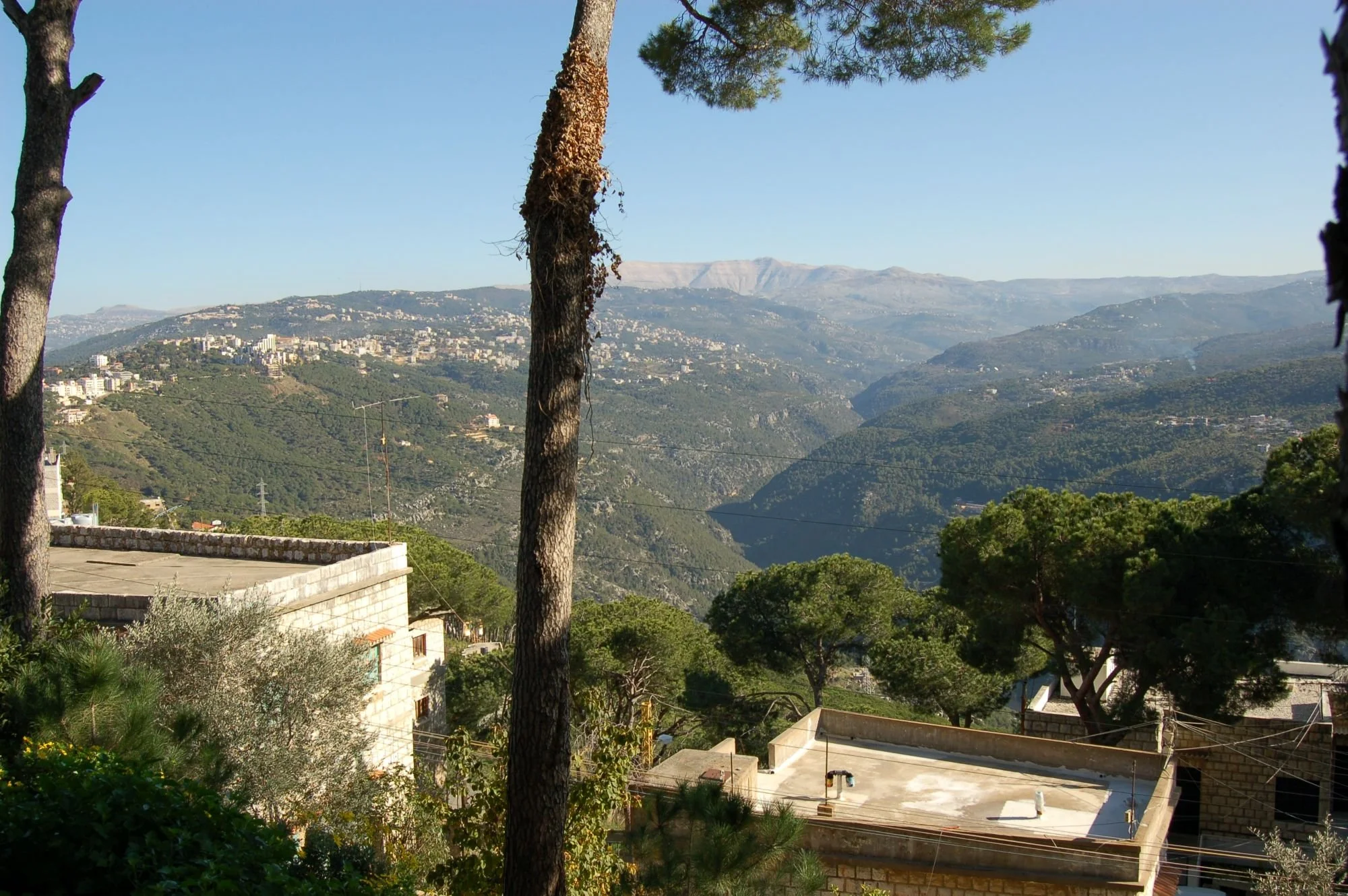
The hills of Beit Meri
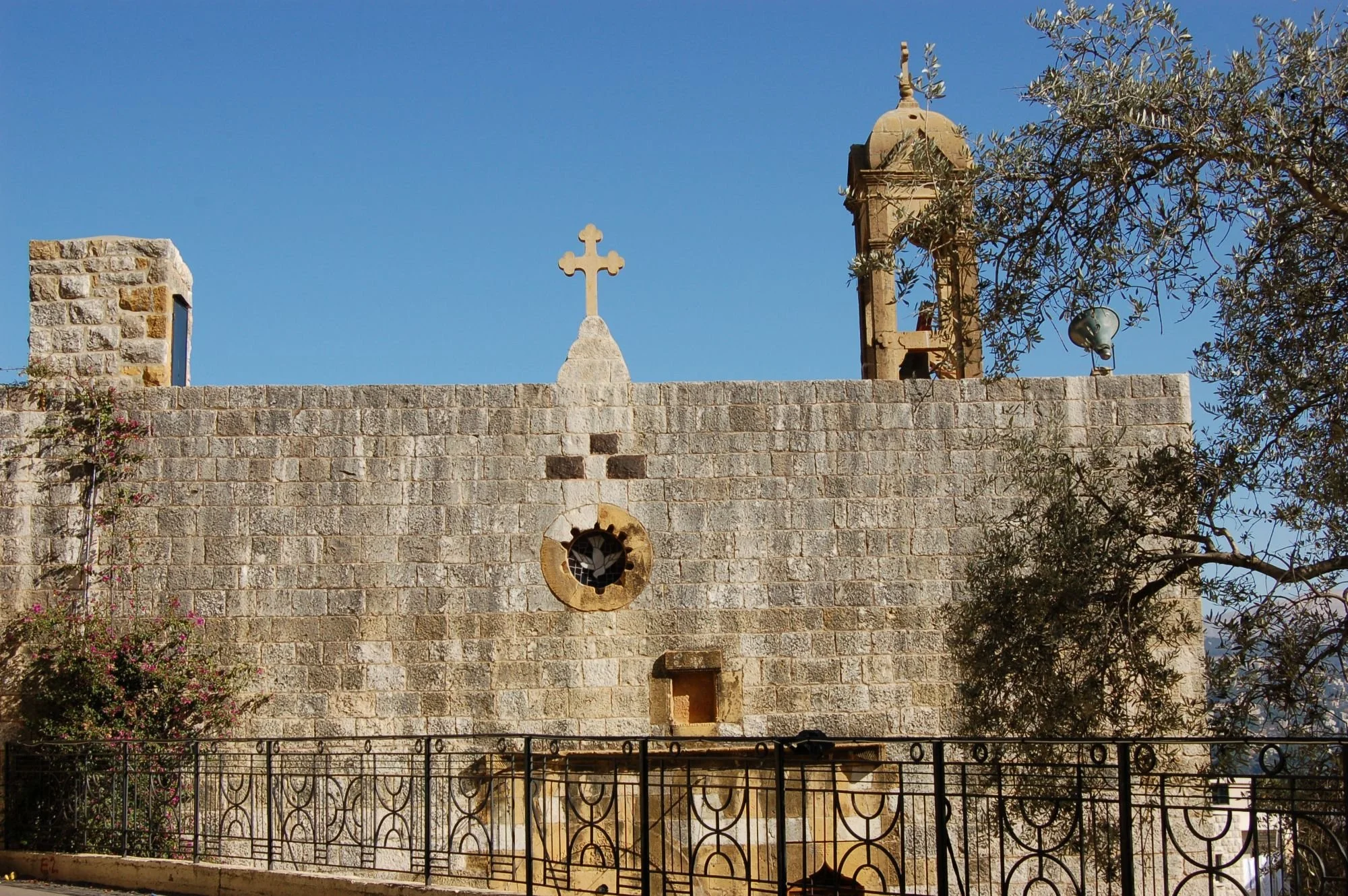
Very multicultural and multireligious
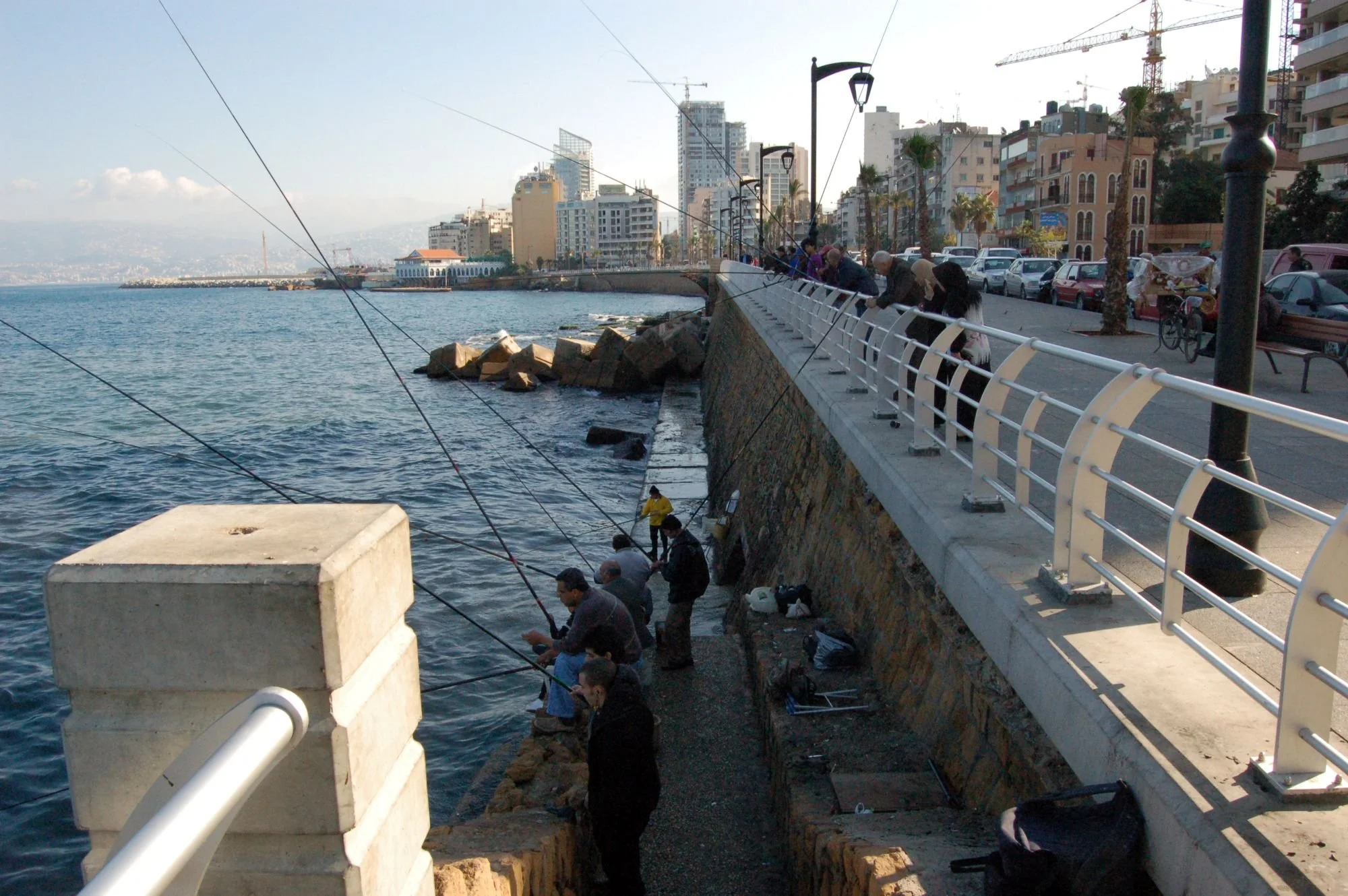
A great place to read, walk, ride a bike or fish
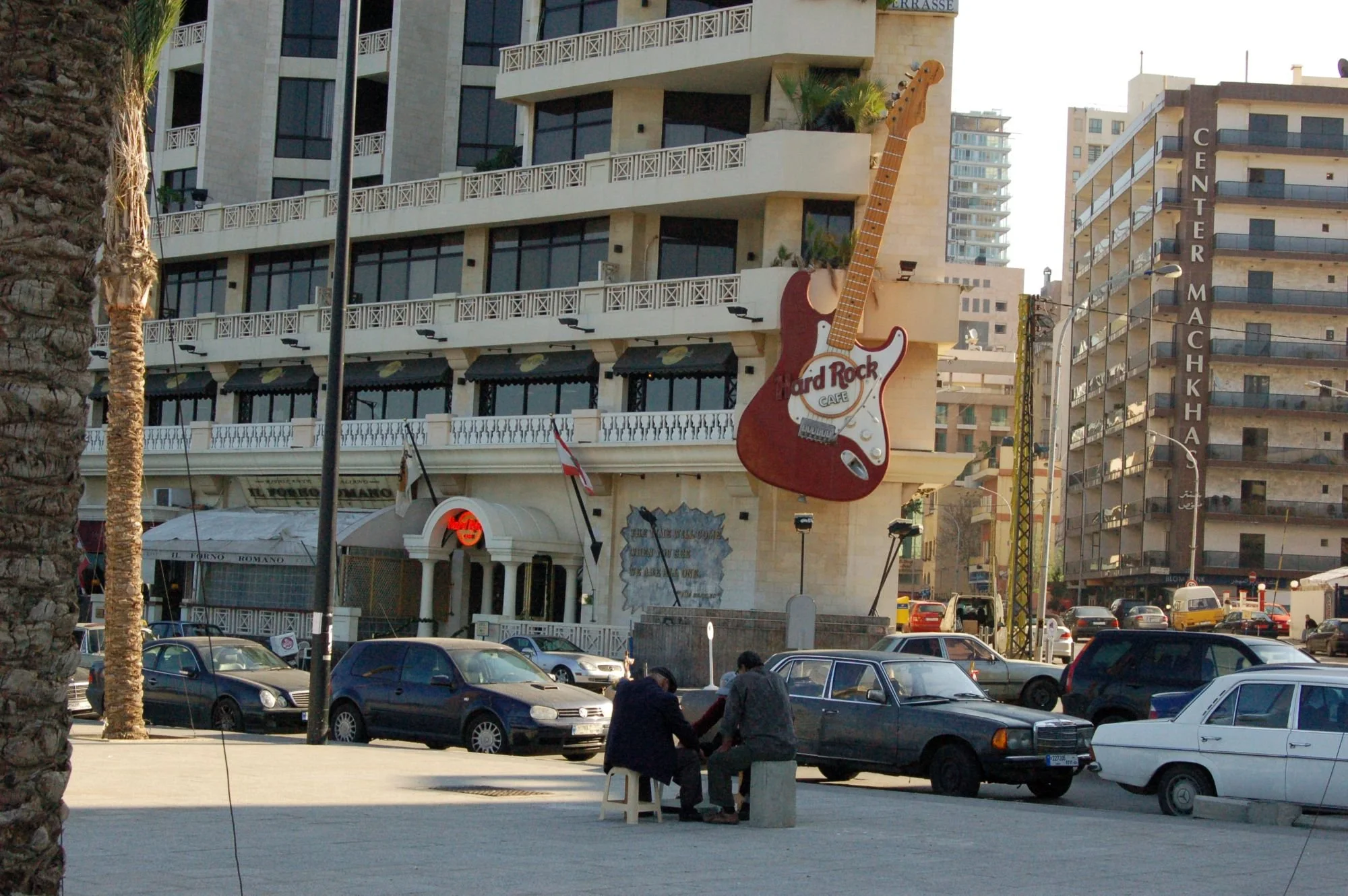
It also has some very western places to eat and drink
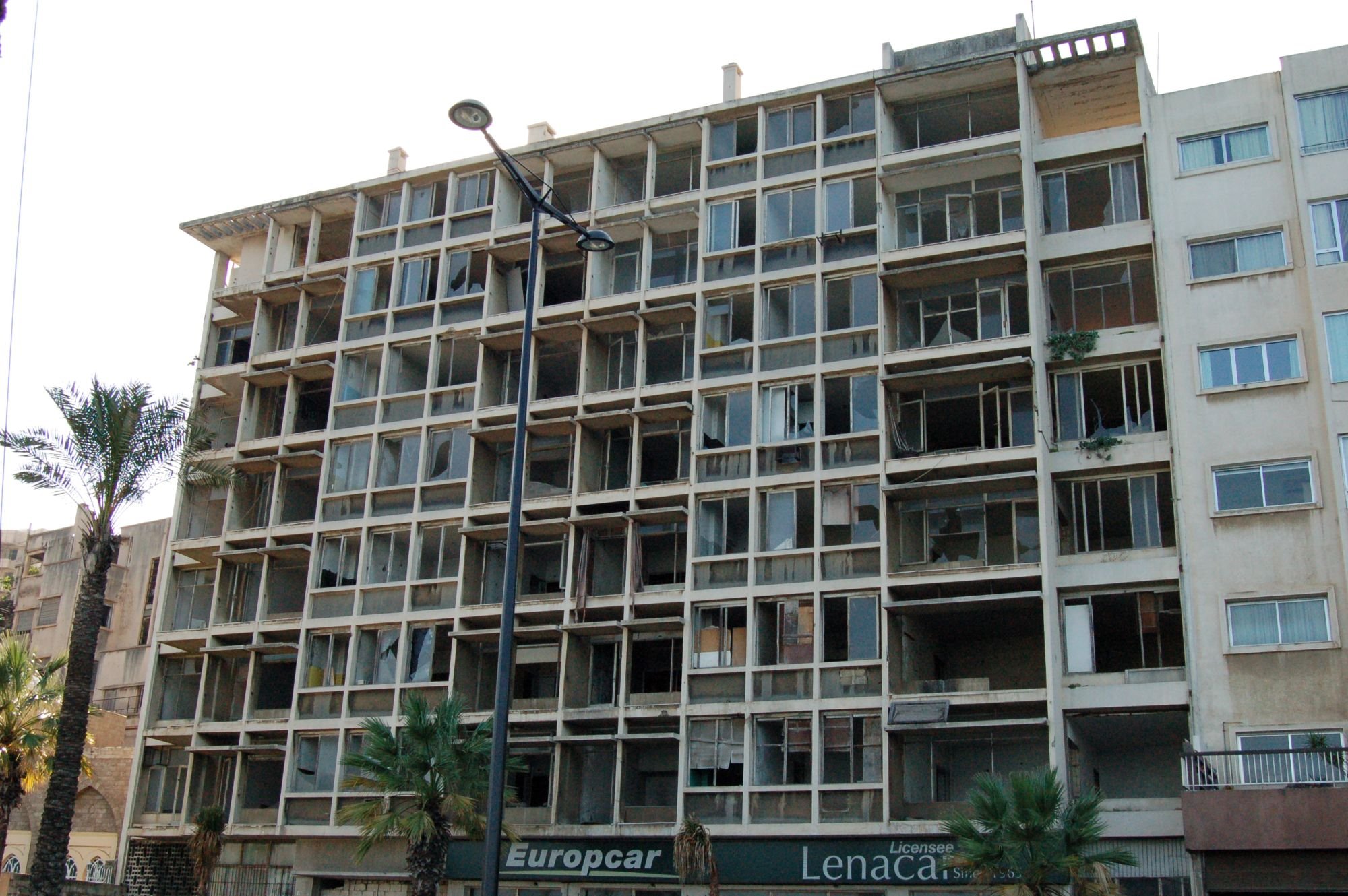
A destroyed and abandoned apartment reminding everyone of its past and current political situation